


What is Vinyasa Yoga?
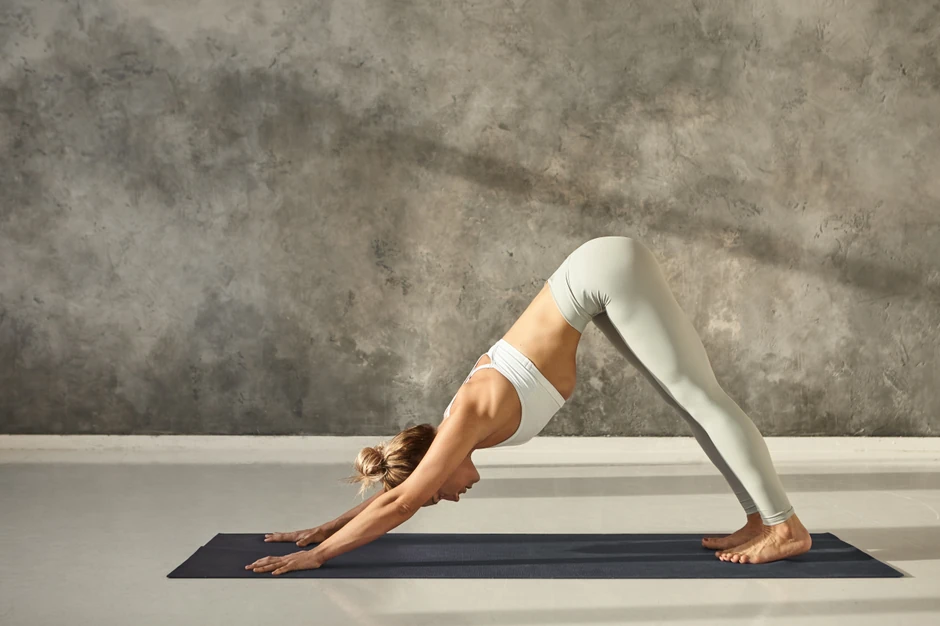
Vinyasa yoga is a flowing style of yoga that links movement with breath. Rooted in Ashtanga-inspired teaching, it developed into a more flexible format rather than a fixed sequence. Because classes vary by teacher and pace, the experience can feel different from one session to the next. It is a popular style for beginners and experienced practitioners who enjoy movement, variety, and flow.
At a Glance
Key Benefits
Vinyasa yoga is often chosen for how energizing and engaging it feels. Its benefits come from linking breath to continuous movement, which builds fitness, focus, and flexibility at the same time.
- Builds cardiovascular fitness through continuous, flowing movement.
- Develops strength and flexibility in the same practice.
- Feels accessible across levels because classes can be easily modified.
- Keeps the practice mentally engaging through constant variety.
- Creates a moving meditation through breath-led rhythm.
- Improves coordination through dynamic transitions between poses.
- Reduces stress by keeping the mind focused on movement and breath.
Yoga is complementary to, not a replacement for, medical treatment. Consult your doctor if you have a pre-existing condition.
Key Characteristics and Elements
Vinyasa yoga stands out because it is built around movement, rhythm, and adaptability rather than a fixed sequence. These core elements shape how the practice feels and why it appeals to people who want a more fluid, engaging class experience.
- Breath-Movement Synchronization: In Vinyasa, each movement is linked to either an inhale or an exhale. Breath is not just present in the background, but drives the pace and helps create continuity from one posture to the next.
- Variable Sequencing: Unlike fixed-sequence styles, Vinyasa changes from class to class depending on the teacher and format. That variety is a major part of its appeal, especially for students who enjoy a practice that feels creative and different each time.
- The Vinyasa Transition: In many classes, “take a vinyasa” refers to a linking sequence used between poses to maintain flow and build heat. It often includes Plank, Chaturanga, Upward-Facing Dog, and Downward-Facing Dog, helping you understand what to expect when the pace picks up.
- Flow State: The term “Vinyasa flow” points to the smooth, meditative quality that comes from repeating breath-led movement over time. This is what gives the practice its distinct feel — active and energizing, but also mentally absorbing. Read our full guide on Vinyasa Flow Yoga here!
What to Expect in a Class
A Vinyasa yoga class usually begins with a few minutes of stillness or breath awareness before moving into a gradual warm-up. From there, the class builds into a continuous flow of standing, balancing, seated, and floor-based poses linked together by the breath.
The pace is usually moderate to brisk, and unlike slower styles, there are fewer long holds. You stay moving often enough to build light-to-moderate heat as the class progresses.
Because each teacher sequences Vinyasa differently, no two classes feel the same. What stays consistent is the rhythm: breath leads movement from start to finish. Most classes close with a brief cool-down and Savasana, leaving you feeling energized, mentally clearer, and physically worked without the rigidity of a fixed sequence.
Tell your teacher before class if you have:
- Wrist or shoulder injuries
- Recent surgery or acute joint pain
- Are in the first trimester of pregnancy
Join a Live Vinyasa Yoga Group Class for Free


Vinyasa Yoga: Breath and Flow


Flow into Flexibility: Beginner Vinyasa Yoga
Find Your Flow with Vinyasa Yoga
Vinyasa Yoga vs. Hatha Yoga
If you want continuous movement, variety, and a practice that builds cardio fitness alongside flexibility, Vinyasa is usually the better fit.
If you prefer slower holds, more time in each pose, and a gentler entry into yoga, Hatha may suit you better.
Read our full Hatha vs Vinyasa breakdown here.
Who it’s for
- Athletes
- Intermediate/Advanced Yogis
- People with respiratory problems
- People who sit for long periods
Who it’s not for
- People unfamiliar with yoga basics
- Yogis with shoulder, knee, or back issues
How it will help you
- Great cardio workout
- Builds strength & flexibility
- Improves lung function
- Reduces stress & anxiety
How it will not help you
- People unfamiliar with yoga basics
- Yogis with shoulder, knee, or back issues
Enjoy a Free 1-on-1 Session with a Coach!
Receive personalized guidance tailored to your unique fitness goals, live with a dedicated coach—no credit card required.
FAQs About Vinyasa Yoga

Yes! With the right teacher and class level, Vinyasa can be very accessible for beginners. Look for classes labeled beginner Vinyasa or slow flow, where the pace is more manageable, and modifications are built in.
A 1-on-1 session is often the easiest way to start, as the teacher can adapt the sequence to your level. Read our complete guide to Vinyasa yoga for beginners here.
For most people, 3 to 4 sessions per week is a practical rhythm for noticeable progress. Because Vinyasa is moderate in intensity, recovery is usually manageable between classes. Even 2 sessions a week can improve flexibility, stamina, and body awareness over time.
The main difference is pace and structure. Vinyasa links movement continuously to the breath, while Hatha holds poses for longer and moves more deliberately.
In modern yoga use, vinyasa refers to breath-synchronized movement — linking each transition or pose change to an inhale or exhale. The term can describe both the overall style and the linking sequence repeated throughout many classes.
There is no major difference. “Vinyasa Flow” is simply a common name for the same style, with “flow” emphasizing the continuous, linked quality of the practice. Both terms describe a dynamic class built around breath-led movement.
Vinyasa Yoga Articles
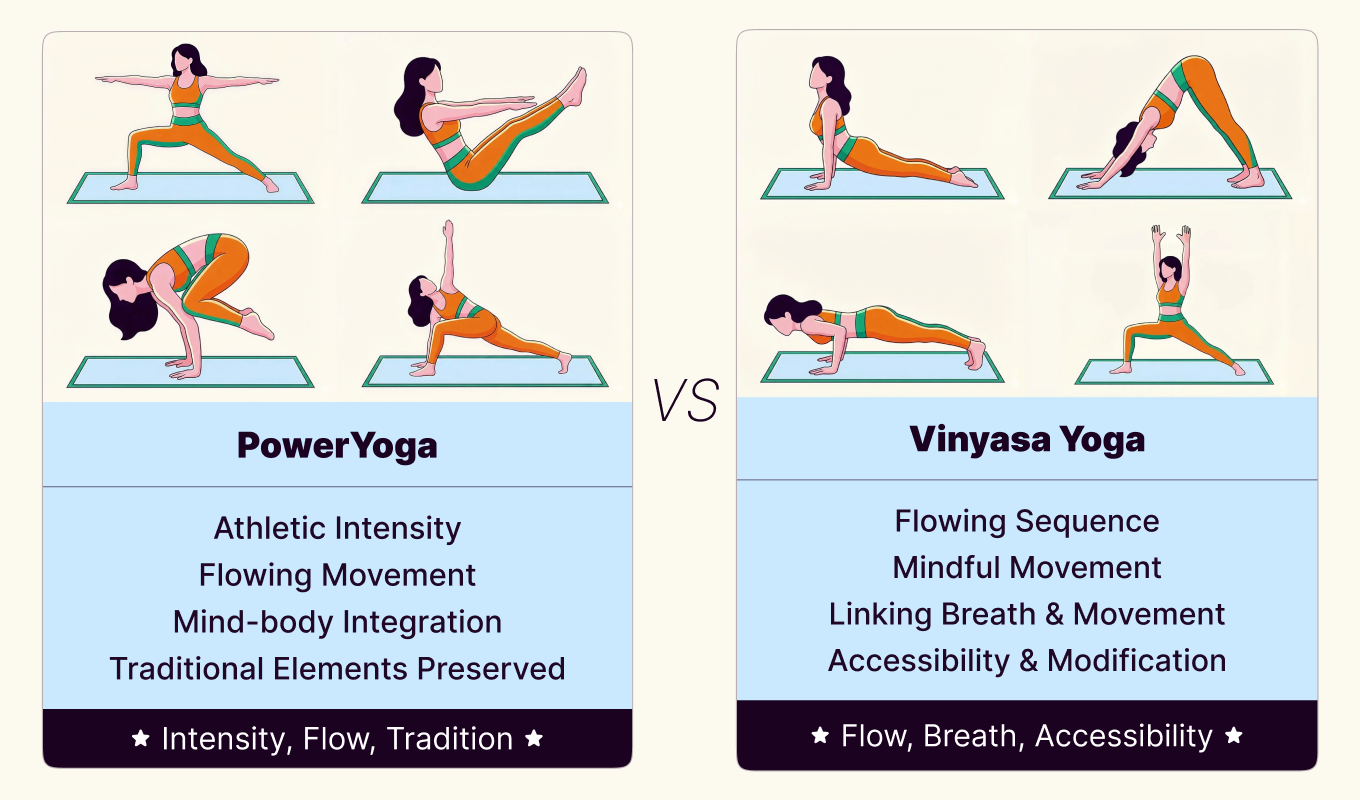
Power Yoga vs. Vinyasa Yoga: Key Differences & Which is Best for You
Power Yoga vs Vinyasa yoga: Compare pace, intensity, calories burned & benefits. Discover which dynamic yoga style matches your fitness goals. Start today!

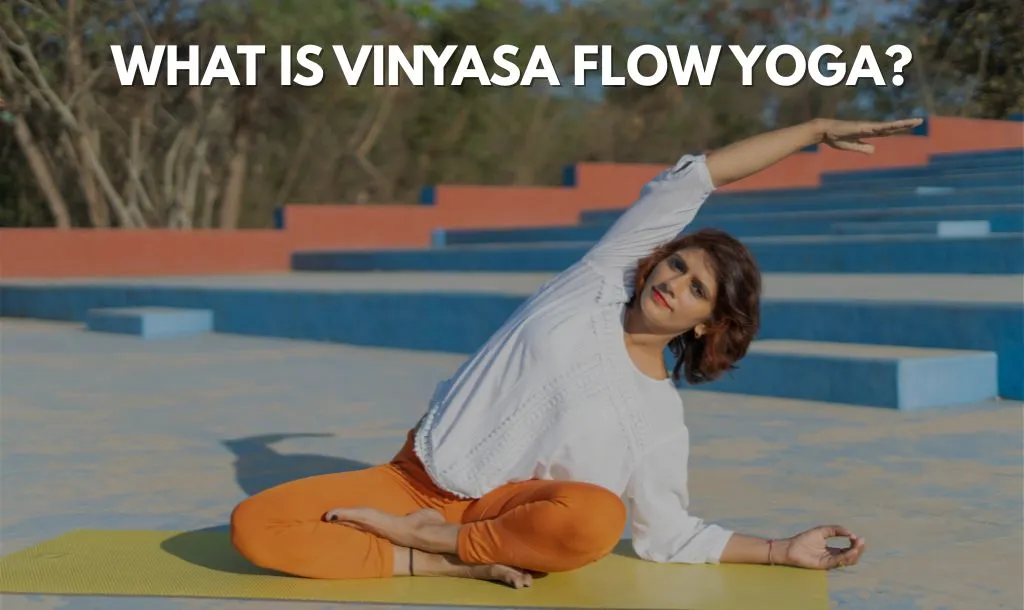
Vinyasa Flow Yoga: Complete Guide to Dynamic Yoga Practice
In this complete guide on Vinyasa flow yoga, learn its benefits, different types, and various flow sequences. Start today!
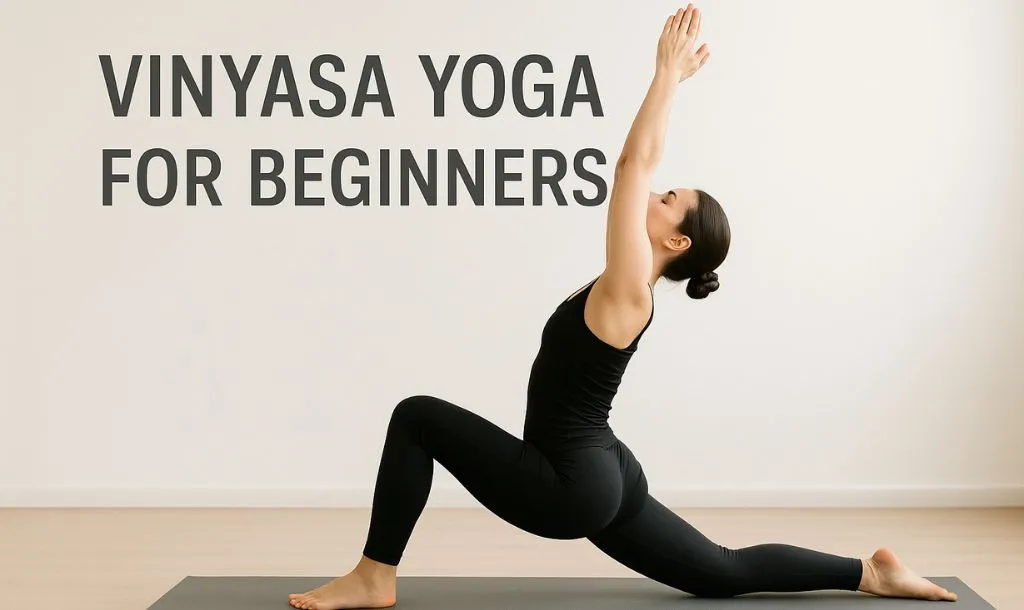
Vinyasa Yoga for Beginners: Your Confident Start to a Flowing Practice
Start Vinyasa yoga with confidence! Learn beginner-friendly poses, breathing techniques, and safe sequences. Get expert guidance that makes all the difference!


