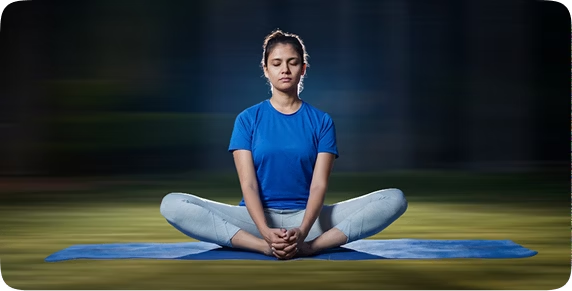
What is Prenatal Yoga?
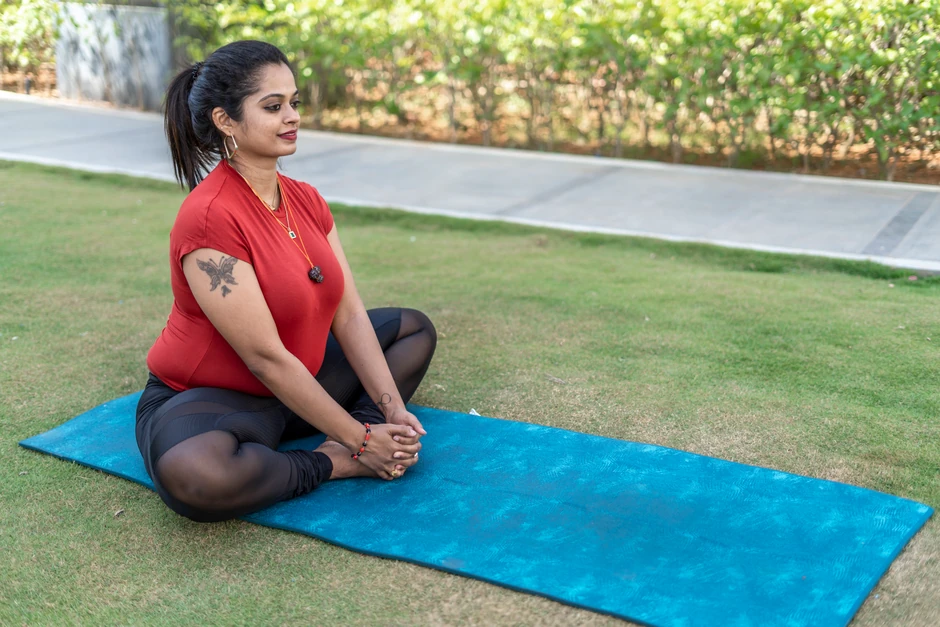
Prenatal yoga is a yoga practice designed specifically for pregnancy, with poses and breathing adapted to support the body as it changes. It is not just a gentler regular class, but is carefully modified to avoid movements that may be unsuitable during pregnancy, such as deep twists, strong core work, or lying flat on the back later on. It helps build comfort, body awareness, and steady breathing throughout all three trimesters.
Prenatal yoga can be practised at any stage of pregnancy with guidance from a certified teacher and clearance from your healthcare provider.
At a Glance
Key Benefits
Prenatal yoga is often chosen for its support during pregnancy. Its benefits come from gentle movement, steady breathing, and practices designed for the changing needs of the body.
- Helps ease common pregnancy discomforts like lower back pain, hip tension, and pelvic pressure.
- Supports the pelvic floor, which plays an important role during pregnancy and recovery after birth.
- Builds breath awareness that can be useful during labour and delivery.
- Helps reduce stress and anxiety through slow movement and calming breathwork.
- Encourages healthy circulation and may help reduce swelling in the legs and feet.
- Builds strength and stamina for the physical demands of pregnancy, labour, and early motherhood.
- Creates time to connect with your changing body and your baby.
Prenatal yoga is a complement to, not a replacement for, prenatal medical care. Always consult your doctor or midwife before starting or continuing any yoga practice during pregnancy.
If you experience pain, dizziness, or discomfort during practice, stop immediately and seek medical advice.
Key Characteristics & Elements
Prenatal yoga is different from a regular yoga class because it is designed around the changing needs of pregnancy. These core elements shape how the practice supports the body, the breath, and the experience of each trimester.
- Trimester-Specific Adaptation: Prenatal yoga changes as pregnancy progresses. A certified teacher adjusts poses, pace, and focus based on your trimester, energy levels, and any physical concerns, so the practice stays appropriate for your stage of pregnancy.
- Pelvic Floor Focus: Prenatal yoga gives special attention to the pelvic floor, the muscles that support the uterus, bladder, and bowel. Classes often include both strengthening and releasing these muscles, because both are important during pregnancy, labour, and recovery after birth.
- Breathwork for Labour: Breathing is a central part of prenatal yoga, not just a calming add-on. Classes use simple pranayama and breath awareness to help you stay relaxed, focused, and more prepared for the intensity of labour. See our full prenatal yoga guide here.
- Safe Modifications and Poses to Avoid: A key part of prenatal yoga is knowing how to adapt movement safely. Deep twists, strong abdominal work, lying flat on the back later in pregnancy, and other unsuitable poses are modified or removed, which is why working with a certified prenatal teacher matters.
What to Expect in a Class
A prenatal yoga class usually begins with a brief check-in, where the teacher asks how you are feeling, notes your trimester, and adjusts the practice if needed. From there, the class moves into gentle breathing, supported warm-ups, and slow sequences designed for the changing needs of pregnancy.
You may practice standing poses with chair or wall support, seated hip openers, pelvic floor work, and gentle stretches that create space rather than strain.
The pace is calm and deliberate, with props used throughout to make each pose more comfortable and supportive. Breathwork is woven into the class, not saved just for the end. Most sessions finish with a supported side-lying rest rather than lying flat on the back later in pregnancy.
Many women leave feeling physically relieved, more settled in the mind, and more connected to their body and baby.
Always inform your teacher before class if you have:
- Placenta previa or a low-lying placenta
- Preeclampsia or pregnancy-induced hypertension
- A history of preterm labour or cervical incompetence
- Any condition for which your doctor has advised reduced activity
Who it’s for
- Beginner to advanced yogis
- Pregnant women in any trimester
Who it’s not for
- Anyone who isn’t pregnant
How it will help you
- Improves strength and flexibility
- Lowers blood pressure and reduces stress
- Prepares the body for childbirth
- Helps manage pregnancy symptoms
- Boosts mood and mental clarity
How it will not help you
- Anyone who isn’t pregnant

Enjoy a Free 1-on-1 Session with a Coach!
Receive personalized guidance tailored to your unique fitness goals, live with a dedicated coach—no credit card required.
FAQs About Prenatal Yoga

Generally, yes! With appropriate modifications for each trimester and guidance from a healthcare provider. A certified prenatal yoga teacher can adjust the class to match your stage of pregnancy and any physical concerns. If you have a high-risk pregnancy or medical complications, get clearance from your doctor or midwife before attending.
Many women begin in the second trimester, when energy is often more stable and early pregnancy symptoms have eased. With appropriate modifications, some may begin earlier as well.
Prenatal yoga can help ease physical discomfort, support the pelvic floor, improve breath awareness for labour, and reduce stress during pregnancy. Many women also find that regular practice helps them feel more connected to their body and baby. Read more about prenatal yoga benefits here.
Yes! Prenatal yoga works very well in a live online format when taught by a certified teacher. A live teacher can observe your alignment, offer real-time modifications, and adapt the practice to your trimester and energy level. This can be especially helpful later in pregnancy, when getting to a studio may feel less practical.
Prenatal yoga removes or changes poses that may be unsuitable during pregnancy, such as deep twists, strong core work, and flat-on-the-back positions later on. It also adds pregnancy-specific elements like pelvic floor awareness, breathwork for labour, and trimester-based modifications.
Prenatal Yoga Articles
%20(3).webp)
Postpartum Yoga: Poses & Tips for Weight Loss & Stress Relief Post Childbirth
Postpartum yoga can strengthen the body and elevate mood after delivery. Explore some of the best poses and breathing techniques with tips from experts!

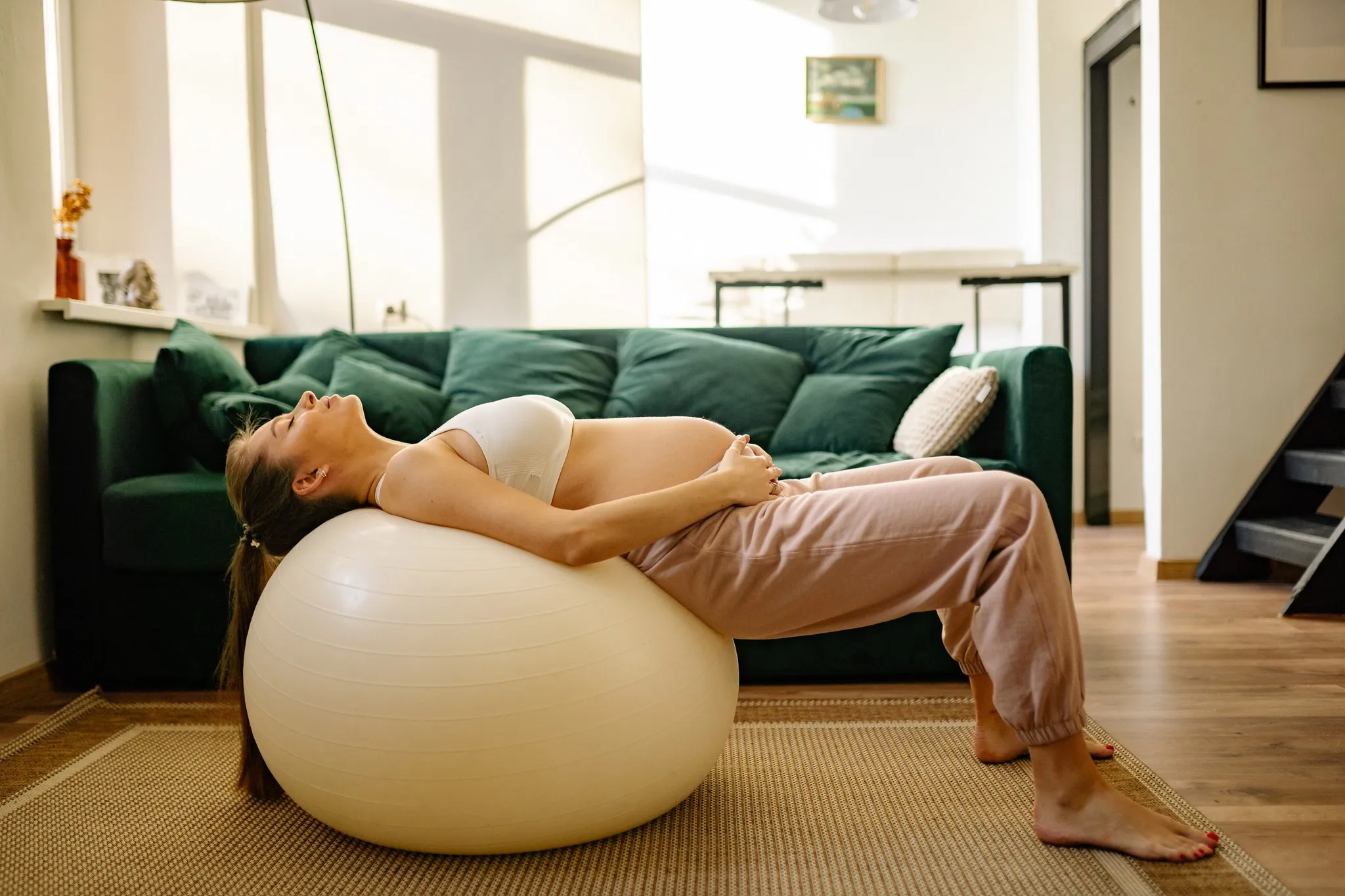
Yoga for Digestion During Pregnancy: Poses and Practices for Comfort
Learn how meditation and mindfulness can complement yoga for digestion during pregnancy. Try these practices to promote relaxation and wellbeing.
%20(8).webp)
Prenatal Yoga: A Complete Guide to Your Pregnancy Journey
Discover safe prenatal yoga poses for each trimester. Expert-approved guide to benefits, when to start, poses to avoid & home practice tips. Start today!