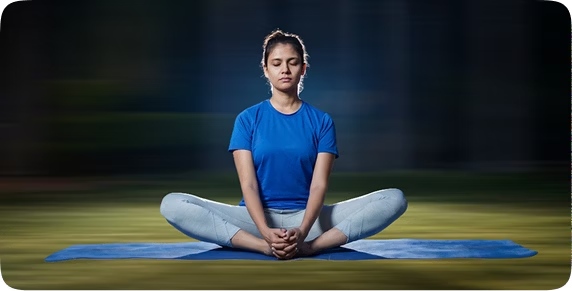
What is Postpartum Yoga?
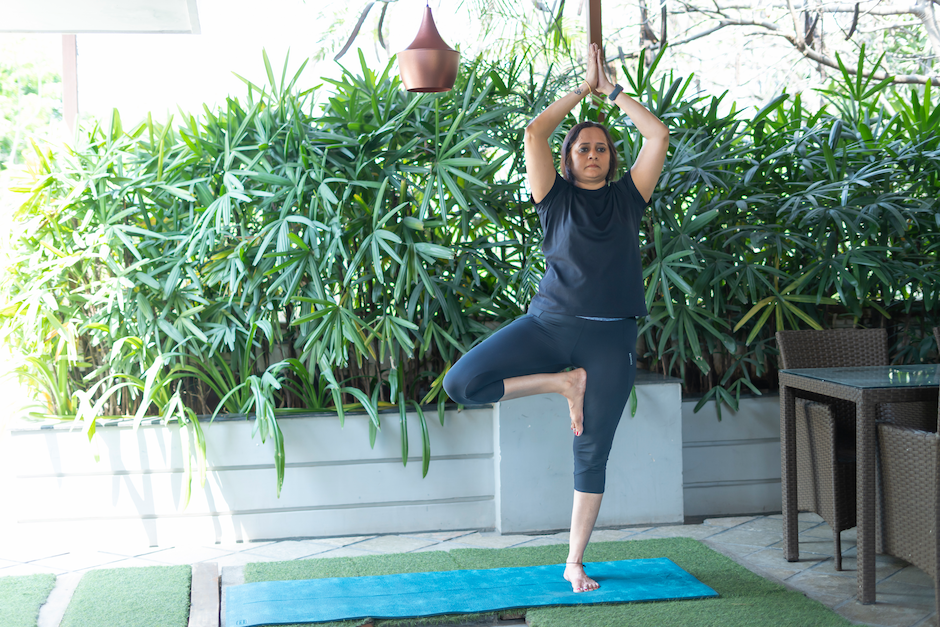
Postpartum yoga is a specialised yoga practice designed for women in the weeks and months after childbirth, supporting physical recovery, pelvic floor rehabilitation, and emotional wellbeing. Also called postnatal yoga, it is not just a gentler version of a regular yoga class but is designed around healing tissues, hormonal changes, and the physical demands of early motherhood.
The practice often begins with breath awareness and pelvic floor reconnection, then gradually expands as recovery progresses. It is generally suitable from around 6 weeks after a vaginal birth or 8–12 weeks after a caesarean, with clearance from your doctor or midwife.
At a Glance
Key Benefits
Postpartum yoga is often chosen for the support it offers during a time of healing, change, and adjustment. Its benefits come from gentle movement, breathwork, and practices designed to help new mothers recover at a pace that feels manageable.
- Helps reconnect and support the pelvic floor after birth.
- Rebuilds deep core awareness in a gradual, recovery-focused way.
- Relieves tension in the neck, shoulders, and upper back from feeding and carrying.
- Supports emotional recovery through calming breath and gentle movement.
- May help reduce feelings of stress, anxiety, and overwhelm.
- Restores confidence in the body after pregnancy and birth.
- Offers a safe, progressive return to movement based on your stage of recovery.
Postpartum yoga is a complement to, not a replacement for, postpartum medical care. Always obtain clearance from your doctor or midwife before starting any yoga practice after birth.
If you experience pain, bleeding, or pelvic pressure during or after practice, stop immediately and consult your healthcare provider.
Key Characteristics & Elements
Postpartum yoga is different from a general yoga class because it is built around recovery after birth. These core elements shape how the practice supports healing, strength, and the transition into early motherhood. Read our detailed postpartum yoga guide here.
- Pelvic Floor Rehabilitation: Postpartum yoga pays special attention to the pelvic floor, which may feel weak, tight, or strained after birth. The practice helps you reconnect with these muscles gently, because recovery is not only about strengthening but also about learning to release tension where needed.
- Core Reconnection With Diastasis Recti Awareness: A key part of postpartum yoga is rebuilding deep core support safely. Instead of jumping into standard abdominal work, the practice focuses on reconnecting with the deeper core muscles first, which is especially important if you have abdominal separation after pregnancy.
- Progressive Sequencing by Recovery Stage: Postpartum yoga is not fixed — it changes as your body heals. Early practice may focus mostly on breath, pelvic floor awareness, and very gentle movement, while later stages gradually bring in more mobility, strength, and fuller sequences.
- Emotional Support as Part of the Practice: Postpartum yoga also makes space for the emotional side of recovery. The practice is designed with the realities of new motherhood in mind, including fatigue, overwhelm, shifting identity, and the need for a class that feels supportive rather than demanding.
What to Expect in a Class
A postpartum yoga class usually begins with a short check-in, where the teacher asks how far postpartum you are, how you are feeling, and whether there are any physical concerns to keep in mind.
The class then starts slowly, often with breath awareness and gentle pelvic floor reconnection while lying down or seated with support. There is no pressure to move quickly or do a lot.
From there, the practice builds through gentle stretches, upper back and shoulder release, supported poses, and simple breath-led movement. The pace stays unhurried, and modifications are offered throughout based on your stage of recovery.
Most classes end with a supported rest, leaving you feeling more settled, physically relieved, and reconnected to your body.
Always inform your teacher before class if you:
- Have not yet received postpartum medical clearance
- Are diagnosed with diastasis recti or significant abdominal separation
- Have pelvic organ prolapse or active pelvic floor symptoms
- Are experiencing postpartum depression or anxiety symptoms
Who it’s for
- Beginner to advanced yogis
- New mothers
Who it’s not for
- Anyone who isn’t a new mother
How it will help you
- Improves overall strength and flexibility
- Balances hormones
- Strengthens and heals pelvic floor and core muscles
- Improves sleep and relaxation
- Relieves back pain and muscle tension
- Processes intense emotions
How it will not help you
- Anyone who isn’t a new mother
Enjoy a Free 1-on-1 Session with a Coach!
Receive personalized guidance tailored to your unique fitness goals, live with a dedicated coach—no credit card required.
FAQs About Postpartum Yoga

The general guideline is around 6 weeks after a vaginal birth and 8–12 weeks after a caesarean, but only with clearance from your doctor or midwife. These are starting points, not strict timelines, and recovery can vary from person to person.
Early postpartum practice usually begins with breath awareness, pelvic floor reconnection, and very gentle supported movement rather than strong poses. As recovery progresses, a certified teacher can gradually introduce appropriate stretches and foundational movements.
They are often used interchangeably in yoga, but there is a subtle difference. Postpartum usually refers to the mother’s recovery after birth, while postnatal can be used more broadly for the period after childbirth. In practice, both terms are commonly used for yoga designed to support the mother’s healing, strength, and wellbeing after birth.
Yes! Postpartum yoga works especially well in a live online format because it can be adapted to your recovery stage without the need to travel. A certified teacher can observe your movement, offer real-time changes, and help you practise more confidently at home. Babies are welcome in many online sessions, which removes a major barrier for new mothers.
A postpartum yoga routine usually starts with short sessions focused on breath, pelvic floor support, and gentle mobility. Over time, the practice can build into longer sessions with more strength, stability, and fuller movement patterns.
Postpartum Yoga Articles
%20(3).webp)
Postpartum Yoga: Poses & Tips for Weight Loss & Stress Relief Post Childbirth
Postpartum yoga can strengthen the body and elevate mood after delivery. Explore some of the best poses and breathing techniques with tips from experts!