



What is Half Lord of the Fishes Pose (Ardha Matsyendrasana)?
%20(2).webp)
Half Lord of the Fishes Pose (Ardha Matsyendrasana), also known as the Seated Spinal Twist, is a seated yoga pose where the spine rotates gently while one leg is crossed over the other. This simple twist massages the abdominal organs, supports healthy digestion, improves spinal mobility, and helps release stiffness in the back and shoulders—making it ideal after long periods of sitting.
Ardha Matsyendrasana: Overview and Meaning of Half Lord of the Fishes Pose
Ardha Matsyendrasana (pronounced ar-dah mat-syen-DRAHS-anna) translates to “Half Lord of the Fishes Pose.” The name honors the sage Matsyendra, once a fisherman who, according to legend, gained yogic wisdom after overhearing Lord Shiva teach beneath the ocean. Though the name sounds advanced, this posture is simply the Seated Spinal Twist, a beginner-friendly pose that’s easy to modify on the floor or in a chair.
The Seated Twist appears in the Hatha Yoga Pradipika as a traditional pose believed to stimulate digestion and prepare the body for meditation. Historically performed as a deeper twist, its “half” version was developed to make the posture more inclusive and accessible. Today, Seated Spinal Twist is widely taught because it counteracts long hours of sitting, supports healthy digestion, and helps maintain spinal mobility, which is especially relevant for modern desk workers and anyone with a busy lifestyle.
This pose gently rotates the thoracic and lumbar spine, engages the core and obliques, opens the shoulders and chest, and lightly stretches the hips and outer legs. The twist creates a subtle “wringing” effect in the abdomen, which may help relieve bloating, gas, and digestive sluggishness by promoting fresh circulation to the stomach, liver, and intestines.
At a Glance
- Sanskrit Name: अर्ध मत्स्येन्द्रासन (Ardha Matsyendrasana)
- Pronunciation: ar-dah mat-syen-DRAHS-anna
- English Names: Seated Spinal Twist, Half Lord of the Fishes Pose
- Also Known As: Sitting Spinal Twist, Half Spinal Twist
- Pose Type: Seated twist, gently detoxifying pose
- Level: Beginner to Intermediate
- Hold Duration: 30 seconds – 2 minutes per side
- Best Time to Practice:
- Morning to support digestion
- After long sitting sessions
- Benefits: Supports digestion, improves posture, relieves back tension
- Strengthens: Core and back muscles
- Stretches: Spine, shoulders, hips, neck
- Preparatory Poses: Easy Pose (Sukhasana), Staff Pose (Dandasana)
- Counter Poses: Gentle forward fold, soft backbend
Half Lord of the Fishes (Ardha Matsyendrasana): Benefits
Half Lord of the Fishes or Seated Spinal Twist (Ardha Matsyendrasana) offers a rare combination of spinal, digestive, and energetic benefits. Whether you’re looking to improve digestion, ease back stiffness, or counteract long hours of sitting, this gentle twist can make a noticeable difference in how your body feels.
Physical Benefits
- Increases spinal mobility and rotation
- Improves posture by lengthening the spine and opening the chest
- Relieves lower back tension and eases stiffness without strain
- Opens the shoulders and neck, helping reduce “tech neck” and upper-body fatigue
- Strengthens the core, improving overall postural support
- Improves hip flexibility by stretching the outer hips and glutes while gently engaging the hip flexors.
- The gentle twist enhances breathing capacity by opening the rib cage to deepen the breath
Digestive & Detoxification Benefits
- Stimulates digestive fire (agni): The gentle compression across the abdomen increases warmth and circulation in the digestive organs.
- Supports healthy elimination: By massaging the intestines, the twist encourages natural peristalsis—helpful for maintaining regular bowel movements.
- Relieves bloating and gas: The “wringing-out” effect can help release trapped air and ease discomfort after long sitting or heavy meals.
- Improves liver and kidney circulation: Enhanced blood flow supports the body’s natural detox pathways.
- Aids nutrient absorption: Better organ mobility can support smoother digestion, which helps your body extract nutrients more effectively.
- Reduces constipation: Gentle compression stimulates movement in the lower digestive tract.
These benefits make the pose especially valuable for anyone who experiences sluggish digestion, afternoon heaviness, or digestive discomfort from stress or sitting too long.
Mental & Emotional Benefits
- Reduces stress and anxiety: The combination of deep breathing and gentle twisting activates the parasympathetic nervous system.
- Increases energy levels, especially if you’ve been sitting for hours.
- Improves concentration: Releasing tension from the spine opens space for clearer thinking.
- Helps release emotional tension: Twists symbolically “cleanse” the midsection, where stress often accumulates.
- Encourages mental balance: Grounding through the hips while gently rotating creates a balanced, centered feeling.
Energetic & Therapeutic Benefits
- Activates Solar Plexus Chakra (Manipura): Linked to digestion, willpower, and confidence.
- Opens the Heart Chakra (Anahata): The gentle chest expansion encourages compassion and emotional release.
- Balances prana: Twisting harmonizes energy flow between the left and right sides of the body.
- Reduces fatigue: Stimulating but not exhausting—perfect for midday practice.
Learn more about The Chakras in this detailed guide!
A certified MyYogaTeacher instructor can help refine your alignment, adjust your twist depth, and tailor the pose to your needs.
Book your free 1-on-1 session and learn the pose with expert guidance.
How to Do Half Lord of the Fishes (Ardha Matsyendrasana): Step-by-Step Guide
Seated Spinal Twist is a gentle pose, but technique matters. Whether you’re practicing on a mat or adapting the pose for digestion or back relief, these steps will help you twist with confidence and ease.
Part 1: Preparing for the Pose
Props You May Need
- Yoga mat
- Folded blanket or block (recommended if hips feel tight)
- A wall for support (optional)
A small elevation under your hips instantly improves posture and makes twisting safer.
Warm-Up Sequence (5 minutes)
Cold muscles don’t twist well. A short warm-up helps unlock your spine and prepare your core.
- Cat-Cow Pose (5–8 rounds): Warms the spine and introduces gentle movement.
- Seated Side Stretches (30 seconds each side): Expands the rib cage and creates space for rotation.
- Gentle Seated Twists (30 seconds each side): Awakens your obliques and mid-back.
- Staff Pose (1 minute): Establishes your seated foundation and lengthens the spine.
- Easy Pose with Shoulder Rolls (1 minute): Releases upper-back and neck tension.
Part 2: How to Do Ardha Matsyendrasana: Step by Step Guide
Below is the full sequence, written for beginners but with cues even intermediate practitioners will appreciate.
- Start in Staff Pose (Dandasana): Sit tall with your legs extended forward, lifting your spine. If your back rounds, sit on a folded blanket for support.
- Bend Your Right Knee: Place your right foot on the floor outside your left leg. Keep the left leg extended—or bend it if your hips feel tight.
- Begin the Twist: Inhale to lengthen, then exhale and rotate your torso to the right. Hook your left elbow outside your right knee or hug the knee if that feels better.
- Place Your Right Hand Behind You: Set your right fingertips on the floor behind your hip, using the arm for gentle support while keeping your shoulders level.
- Lengthen on Each Inhale: Grow taller through the crown of your head, creating space between each vertebra as your core lightly engages.
- Deepen on Each Exhale: Twist from the belly upward, allowing the chest and shoulders to follow. Keep both sitting bones grounded evenly.
- Add the Gaze Last: Turn your head to look over your right shoulder, or keep your neck neutral if that feels more comfortable.
- Hold and Breathe: Stay for 30 seconds to 2 minutes, inhaling to lengthen and exhaling to gently deepen the twist while keeping the breath smooth.
- Release with Control: Inhale to unwind slowly from the top down, returning to center and extending your right leg forward.
- Repeat on the Left Side: Follow the same steps to balance the spine, digestion, and overall energy.
Common Mistakes & How to Fix Them
- Twisting from the Shoulders Instead of the Spine: This strains the neck and limits movement.
Fix: Initiate the twist from the belly and let the shoulders follow. - Holding Your Breath: Breath-holding creates tension and restricts rotation.
Fix: Inhale to lengthen, exhale to deepen the twist. - Forcing the Elbow Outside the Knee: Overreaching can collapse the spine and strain the shoulder.
Fix: Hug the knee instead—it's safer and equally effective. - Lifting One Hip Off the Floor: Uneven hips reduce twist benefit and stress the lower back.
Fix: Keep both sitting bones grounded and stable. - Rounding the Lower Back: A rounded spine blocks rotation and compresses the discs.
Fix: Sit on a blanket to elevate your hips and lengthen your spine. - Cranking the Neck Too Far: Over-rotating the neck causes strain and disrupts alignment.
Fix: Turn your head last, and only as far as feels comfortable.
To learn this pose with proper alignment and technique, book a free 1-on-1 session with a MyYogaTeacher coach today!
Ardha Matsyendrasana Variations
Ardha Matsyendrasana, or Seated Spinal Twist, is one of the most adaptable poses in yoga. Whether you’re practicing at home, in the office, or recovering from stiffness in your back or hips, there’s a variation that will fit your needs.
These options help you customize the pose for digestion, mobility, or comfort—so you can twist safely at any stage of your practice.
Beginner Modifications
1. Chair Seated Spinal Twist
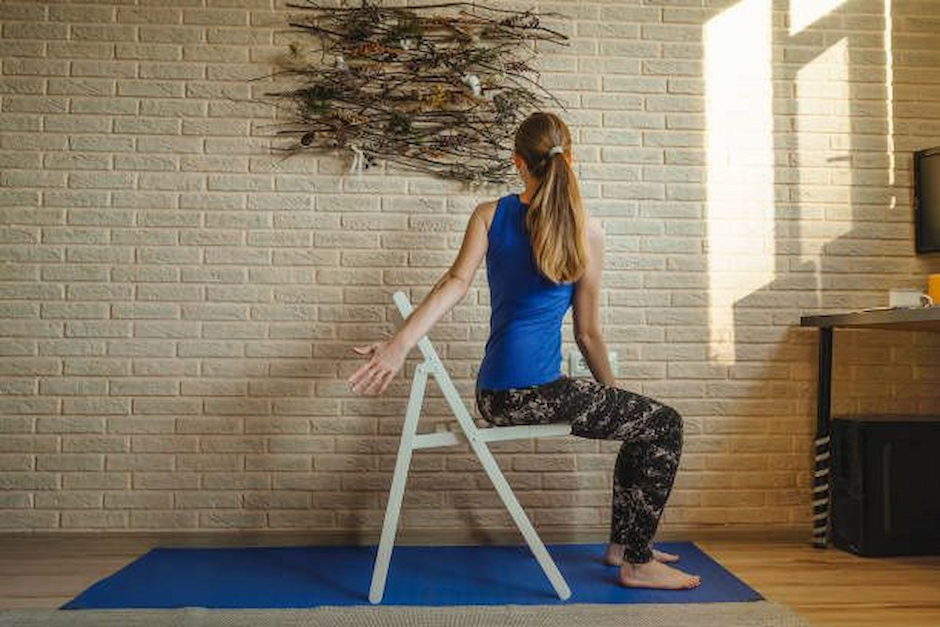
Best for: Office workers, seniors, limited mobility, anyone who can’t get down to the floor.
- Sit sideways on a chair with your right hip near the backrest.
- Place both hands on the back of the chair.
- Inhale to sit tall, exhale to twist to the right.
- Hold for 30–60 seconds, switch sides.
This variation requires no floor work, is deeply supportive, and perfect for digestion breaks during the workday.
2. Easy Seated Twist (Cross-Legged)
This is a mild version that works well for very tight hips or beginners who need extra stability.
- Sit cross-legged (Sukhasana).
- Place right hand on left knee, left hand behind you.
- Twist gently without forcing.
3. Reclined Spinal Twist (Supine Version)
This variation is very gentle on the spine and excellent for releasing digestive tension.
- Lie on your back and bend your knees.
- Drop knees to the right, extend arms in a T-shape.
- Look gently to the left if comfortable.
4. Block-Supported Twist
This version supports better spinal alignment and makes twisting easier for stiff hips.
- Place a block under your sitting bones on the twisting side.
- This reduces hip strain and keeps your spine upright.
Intermediate Variations
5. Seated Twist with Bind
This variation enhances shoulder opening and deepens the twist without forcing the spine.
- After entering the twist, reach your right arm behind your back.
- Reach the left arm inside the bent knee to clasp your hands.
6. Ardha Matsyendrasana II
This pose adds hip opening and increases twisting potential for experienced practitioners.
- Bend both legs, stacking or crossing the shins in a more complex seated position.
- Twist from the spine while grounding both hips.
7. Marichyasana III
This version combines a hamstring stretch with a spinal twist.
- Bottom leg stays straight while the top leg bends.
- Use the elbow-to-knee connection to deepen the rotation.
8. Matsyendrasana (Lord of the Fishes Pose)
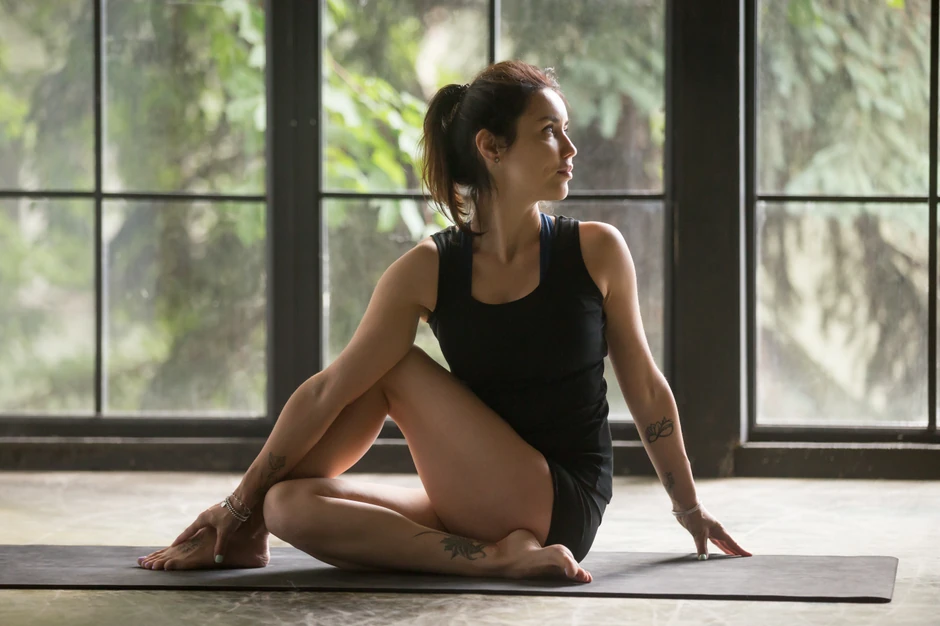
A classical, deep twist offering maximum rotation and hip opening.
- Bottom leg folds into half-lotus.
- Top foot hooks over the bottom thigh.
- Hands bind behind the back.
9. Revolved Head-to-Knee Pose Twist
Intensely stretches the obliques and stimulates digestion.
- One leg extended, twist toward the bent knee.
- Combines a side bend with a twist.
10. Standing Spinal Twist
This version helps translate twisting into daily movement patterns.
- Practice twisting principles in a standing position.
- Good for improving balance and functional rotation.
Ardha Matsyendrasana (Half Lord of the Fishes Pose): Precautions & Contraindications
Ardha Matsyendrasana is generally safe and accessible, but like all spinal movements, it works best when practiced with care. Understanding when to modify, when to avoid the pose, and how to practice safely ensures you get the benefits without discomfort or strain.
Avoid Seated Spinal Twist If You Have:
- Herniated or bulging discs (especially lumbar)
- Recent abdominal surgery (within the last 3–6 months)
- Pregnancy (2nd–3rd trimester) — avoid compressive twists
- Severe spinal stenosis
- Recent spinal surgery or spinal fusion
- Acute sciatica or active flare-ups
- Severe osteoporosis or history of spinal fractures
- Active inflammatory bowel disease (during flare-ups)
- Hiatal hernia (twists may aggravate symptoms—consult your doctor)
If any of these apply, choose gentler alternatives such as a reclined spinal twist or a simple side stretch.
Practice with Caution & Modify In Case of:
- Pregnancy (First Trimester): Practice only open twists to avoid abdominal compression and stop immediately if you feel pressure or discomfort. For more information on prenatal yoga, refer to this detailed guide!
- Chronic Lower Back Pain: Keep the twist gentle, focus on spine lengthening, and discontinue if pain increases or radiates.
- Sciatica (Non-Acute): Use only mild twists, avoid deep rotation during flare-ups, and stop if pain travels down the leg.
- Tight Hips or Limited Flexibility: Elevate your hips or bend the bottom leg to reduce strain, or choose the chair version for more support.
- Neck Sensitivity: Keep the gaze forward or neutral and avoid forcing the final part of the twist from the cervical spine.
- Digestive Sensitivity: Practice on an empty stomach and keep the twist gentle during IBS, gastric discomfort, or any acute digestive pain.
- Menstruation: Gentle, open twists are generally safe, but avoid deep compression if cramping is strong or during heavier flow days. If you want to practice yoga for period relief, read this detailed guide.
Critical Safety Guidelines
DO’s
- Warm up gently before twisting to prepare the spine and core.
- Lengthen on every inhale to create space for a safe rotation.
- Deepen only on the exhale, allowing the twist to unfold naturally.
- Keep both sitting bones grounded for balanced, stable alignment.
- Breathe slowly and steadily to avoid tension or strain.
- Exit the twist mindfully, unwinding from the top down.
- Follow with a counterpose like a forward fold or gentle backbend.
- Practice both sides evenly to maintain spinal balance.
DON’Ts
- Force or crank the twist, which can strain the spine or abdomen.
- Twist from the shoulders or neck, bypassing the core and mid-spine.
- Hold your breath, as this restricts movement and builds tension.
- Lift one hip to deepen the twist, which destabilizes the spine.
- Twist right after eating, since it may disrupt or compress digestion.
- Ignore sharp or radiating pain, especially in the back or legs.
- Practice deep twists during acute injury, flare-ups, or severe discomfort.
When to Stop Immediately
Stop the pose and return to a neutral position if you feel:
- Sharp pain in the spine or lower back
- Shooting or radiating pain in the leg (sciatic nerve)
- Dizziness, nausea, or sudden discomfort
- Numbness or tingling in the legs
- Pressure in the abdomen that feels “wrong”
- Pain in the knees, hips, or neck
If discomfort persists, consult a healthcare provider or work with a certified yoga teacher for personalized guidance.
To practice Half Lord of the Fishes Pose safely and make the most of your practice, book a free 1-on-1 session today!
Ardha Matsyendrasana: Related Yoga Poses
These poses offer alternative ways to explore spinal rotation—whether you're standing, seated, or lying down. Each supports mobility, posture, and digestive comfort in a slightly different way.
1. Revolved Triangle (Parivrtta Trikonasana)
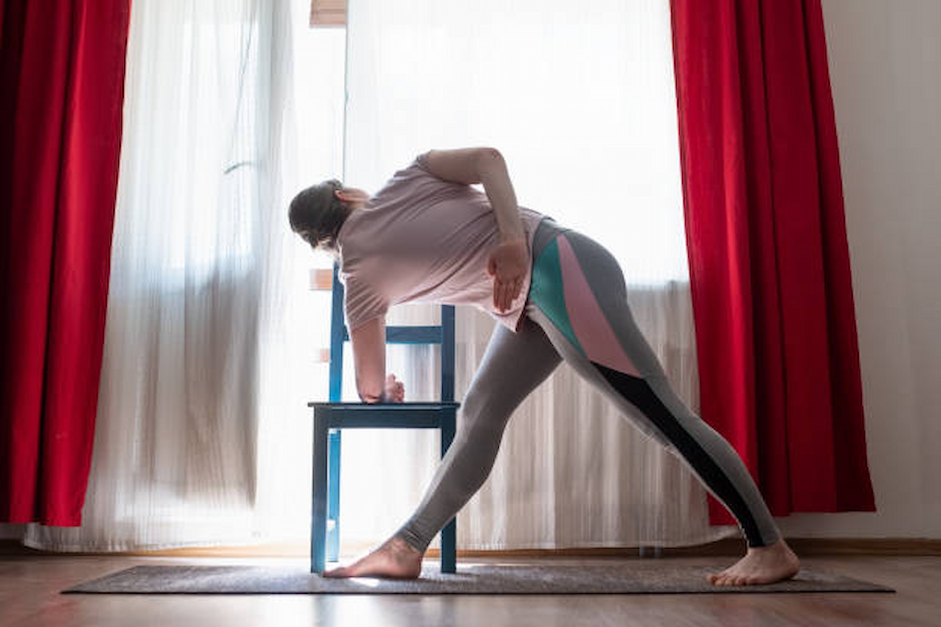
A standing twist that strengthens the legs while deeply rotating the spine.
- Step into a wide stance with your front foot pointing forward.
- Hinge forward over the front leg and place the opposite hand on the shin or a block.
- Press into both feet and rotate your torso toward the front leg as you lift your top arm upward.
2. Revolved Chair Pose (Parivrtta Utkatasana)
A heat-building twist that strengthens the core and improves balance.
- Bend your knees and sit back into Chair Pose.
- Bring palms to prayer and hinge slightly forward.
- Hook one elbow outside the opposite knee and twist while keeping your hips level.
3. Supine Spinal Twist (Supta Matsyendrasana)
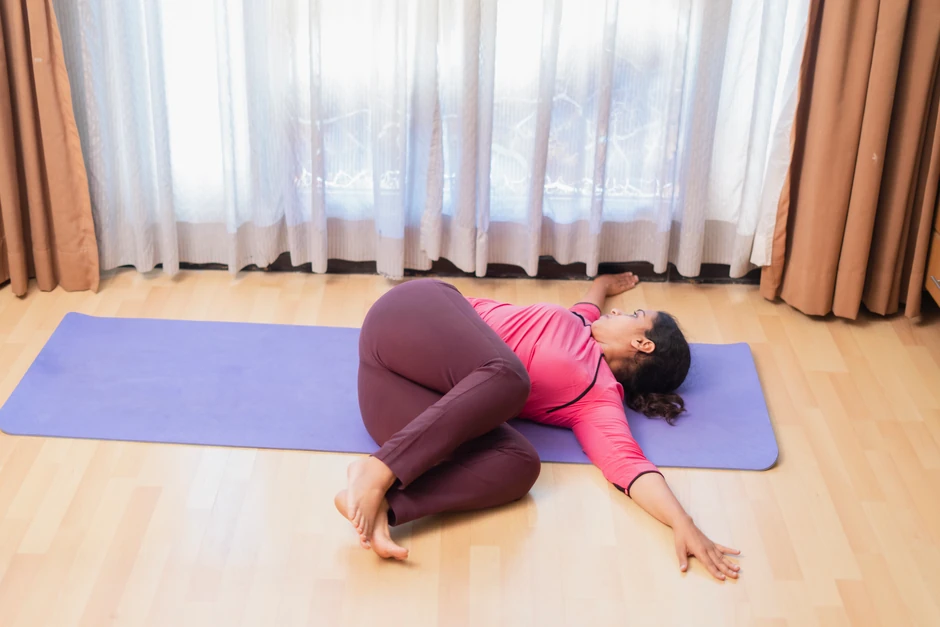
A gentle, restorative twist that releases the lower back and supports digestion.
- Lie on your back and draw your knees toward your chest.
- Drop both knees to one side while extending your arms into a T-shape.
- Turn your head to the opposite side and breathe deeply.
Marichyasana III (Sage Marichi’s Pose)
A deeper seated twist that opens the shoulders and strengthens the core.
- Sit with one leg extended and the other knee bent upright.
- Wrap the opposite arm around the bent knee or hook the elbow outside it.
- Place your back hand behind you and twist toward the bent knee.
Enjoy a Free 1-on-1 Session with a Coach!
Receive personalized guidance tailored to your unique fitness goals, live with a dedicated coach—no credit card required.
Frequently Asked Questions

Half Lord of the Fishes Pose helps improve spinal mobility, release back and shoulder tension, and support healthy digestion by gently massaging the abdominal organs. It’s especially helpful for people who sit for long hours, experience bloating or sluggish digestion, or want a simple way to reset the body and mind.
Hold the pose for 30 seconds to 2 minutes per side, depending on your experience level:
- Beginners: 30–60 seconds
- Intermediate: 1–2 minutes
- Advanced: Up to 3 minutes
Always practice both sides equally and use your breath to guide the depth of the twist.
Gentle versions can help ease chronic, non-acute lower back pain by releasing tight muscles and improving mobility. However, avoid twisting during acute pain, herniated discs, or sharp discomfort. Keep the twist mild, sit on a folded blanket for support, and stop immediately if pain increases.
- Ardha Matsyendrasana I: The classic version with one leg extended and one leg crossed.
- Ardha Matsyendrasana II: A deeper variation where both legs are bent or stacked, requiring more hip flexibility and offering a stronger twist.
Both versions rotate the spine, but Variation II is more advanced.
Yes. Twisting gently compresses and releases the abdominal organs, which can help:
- Stimulate digestive fire (agni)
- Improve elimination
- Reduce bloating and gas
- Support overall digestive flow
For best results, practice on an empty stomach and avoid twisting right after eating.
Absolutely. This twist is safe for daily practice, especially if you keep the twist gentle and listen to your body. Many people use it as:
- A morning digestion booster
- A mid-day desk stretch
- An evening relaxation pose
Reduce frequency if the twist causes discomfort or if you’re recovering from a back or abdominal injury.
Related Articles on Padmasana
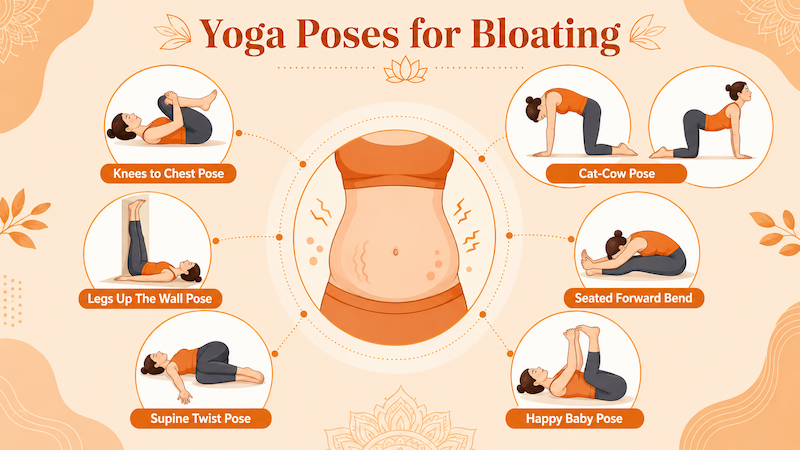
Yoga for Bloating: 8 Gentle Poses to Relieve Gas
Yoga for bloating relief: try 8 gentle poses to ease trapped gas and stomach discomfort. Beginner-friendly guidance from expert Indian yoga teachers.


Yin vs Restorative Yoga: What’s the Difference?
Yin vs Restorative Yoga explained. Compare intensity, hold times, props, and benefits. Learn the key differences and choose the right slow yoga style for you.
.webp)
Detox Yoga Sequence: Refresh and Renew After Holiday Indulgence
Refresh and renew after holiday indulgence with this 12-pose detox yoga sequence. Gentle twists and mindful stretches for digestion, circulation, and energy.


