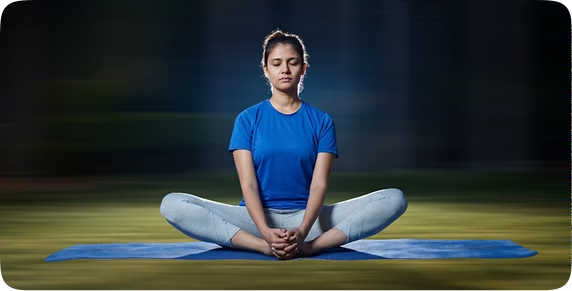
What is Ashtanga Yoga?
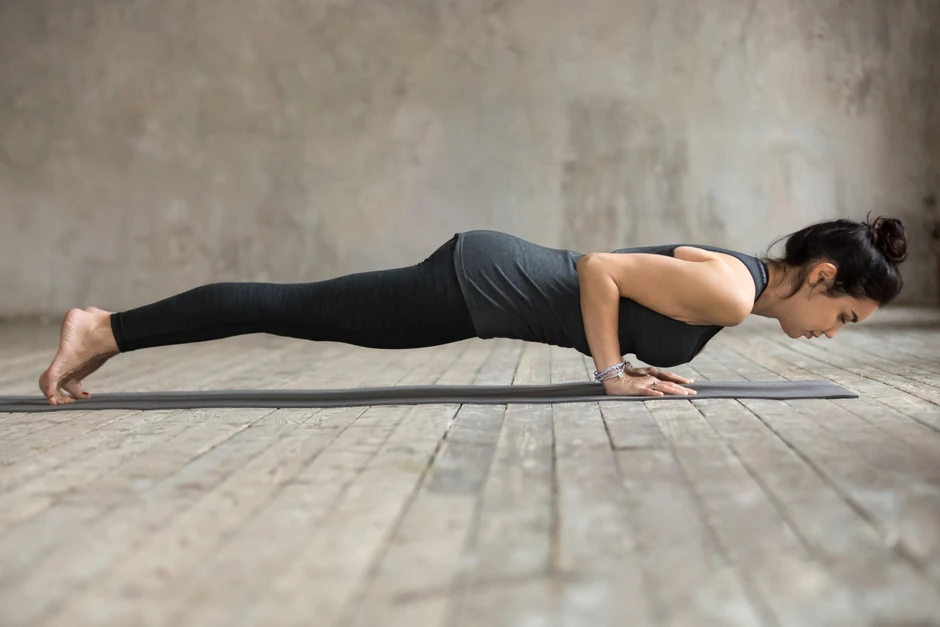
Ashtanga yoga is a structured style of yoga that follows a fixed sequence of poses in the same order each time. Rooted in the Mysore tradition of South India and taught widely through the work of Sri K. Pattabhi Jois, it is known for its disciplined, physically demanding approach. Instead of offering a different flow in every class, Ashtanga focuses on repetition and steady progress over time. It is a good fit for people who want a challenging practice with clear structure and measurable growth.
At a Glance
Key Benefits
Ashtanga yoga appeals to people who want a practice that is structured, challenging, and easy to measure over time. Its benefits come not just from intensity, but from repeating the same sequence consistently and building skill through discipline.
- Builds full-body strength through a demanding, repeatable practice
- Improves stamina with continuous, breath-led movement
- Increases flexibility progressively through consistent repetition
- Sharpens focus by giving the mind a clear structure to follow
- Develops discipline through the same sequence practiced over time
- Makes it easier to track progress
- Creates a strong sense of rhythm between breath, movement, and attention
Yoga is complementary to, not a replacement for, medical treatment. Consult your doctor if you have a pre-existing condition.
Key Characteristics & Elements
Ashtanga yoga stands apart from other styles since it follows a clearly defined practice system. These core elements shape how the method is taught, practiced, and experienced over time.
- Tristhana: Ashtanga is built around the coordination of breath, gaze, and internal energy control. In practice, this means you are not just moving through poses — you are training attention and rhythm alongside physical effort.
- Fixed Sequence: Every Ashtanga class follows the same broad order, which is the defining feature of this style. Progress comes through repetition and familiarity rather than constant variety. To understand this better, read our full guide to the Ashtanga Primary Series.
- Mysore Method: In a Mysore ashtanga yoga class, students move through the sequence at their own pace while the teacher offers individual guidance. This differs from a led class, where everyone moves together based on the teacher’s cues.
- Vinyasa Transitions: The movements between poses are a core part of the practice, not just a way to get from one shape to the next. These transitions help maintain heat, pace, and continuity throughout the session. Example: High Plank → Chaturanga → Upward-Facing Dog → Downward-Facing Dog.
What to Expect in a Class
An Ashtanga yoga class usually begins with a brief moment of centering, and in more traditional settings, an opening chant may be included as part of the practice lineage. From there, the class builds quickly into a steady, breath-led rhythm. You move continuously through a set sequence, so the experience feels focused, repetitive, and physically demanding rather than varied or improvisational.
In a led class, everyone follows the teacher’s pace together. In a Mysore-style setting, you move more independently with individual guidance from the teacher.
As the class continues, expect rising heat, strong muscular effort, and sustained concentration. It typically closes with a finishing sequence and Savasana, leaving you feeling worked, warm, and more mentally settled than when you started. Newer students may begin with a shortened version of the sequence and build gradually over time.
Tell your teacher before class if you have:
- Wrist, shoulder, or lower back injuries
- High blood pressure or cardiovascular conditions
- Are pregnant or postpartum. Read our guide on prenatal yoga here.
Join a Live Ashtanga Yoga Group Class for Free


Ashtanga Yoga: The Flow of Transformation


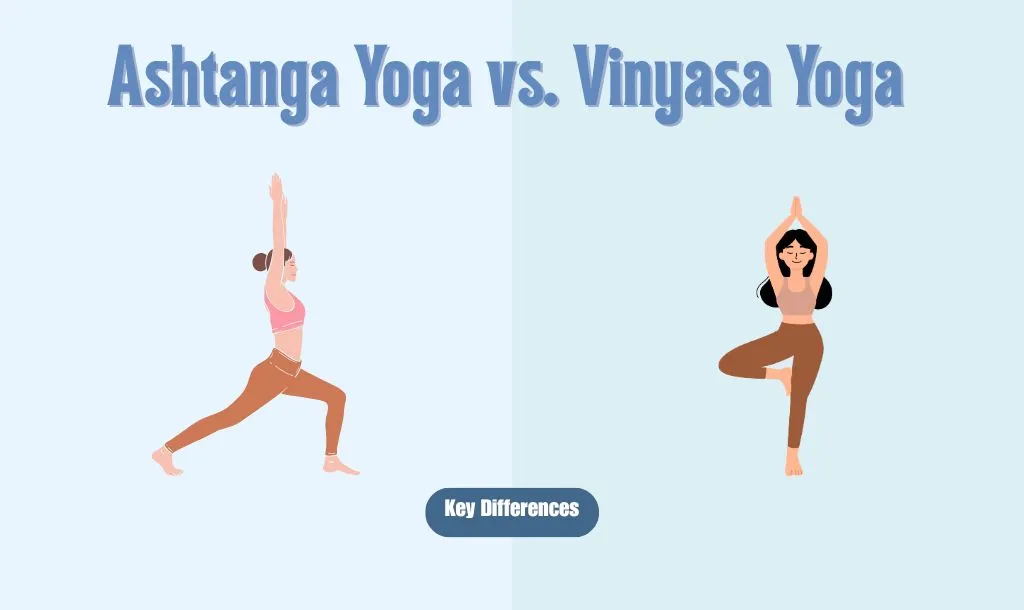
Ashtanga Yoga vs. Vinyasa Yoga
Ashtanga and Vinyasa are often grouped together because both are breath-led and physically active, but they create very different practice experiences. Key differences include:
If you want a practice that is structured, repeatable, and easy to track over time, Ashtanga is usually the better fit.
If you prefer more variety, a more flexible entry point, or a teacher-led changing flow, Vinyasa may suit you better.
Read our full Ashtanga vs Vinyasa comparison guide here.
Who it’s for
- Yogis who are moderately to very physically fit
- Athletes
- Yogis who want to be challenged
- Power yoga fans
Who it’s not for
- Beginner yogis
- Yogis with sensitive muscles or joints
- People who are regularly sedentary
- Most seniors
How it will help you
- Builds strength and flexibility quickly
- Works every part of the body
- Provides excellent stress management
- Improves focus and concentration
How it will not help you
- Beginner yogis
- Yogis with sensitive muscles or joints
- People who are regularly sedentary
- Most seniors

Enjoy a Free 1-on-1 Session with a Coach!
Receive personalized guidance tailored to your unique fitness goals, live with a dedicated coach—no credit card required.
FAQs About Ashtanga Yoga

Ashtanga is not the easiest place for most complete beginners to start because it is physically demanding and highly structured. That said, it can still be accessible with the right guidance.
A 1-on-1 session with a certified teacher can help you begin with a modified version that matches your current level.
Yes, Ashtanga is considered one of the more demanding yoga styles. The fixed sequence, steady pace, and continuous breath-led movement make it challenging at first. Most people find that it becomes more manageable as their strength, stamina, and familiarity improve.
Traditional Ashtanga is practiced frequently, but most modern students do well with 3 to 4 sessions per week. That is often enough to build consistency without overloading the body. Because the style is intense, rest and recovery matter too.
Ashtanga follows the same sequence every class, while Vinyasa usually changes depending on the teacher and format.
Ashtanga is generally more structured and more physically demanding.
The Ashtanga Primary Series is the first main sequence students learn in the Ashtanga system. It introduces the core rhythm, structure, and progression of the practice, and most students spend significant time building familiarity with it.
See our full guide to the Ashtanga Primary Series here.
Ashtanga Yoga Articles
%20(8).webp)
Ashtanga Yoga Poses for Beginners
Start Ashtanga yoga with these 10 easy beginner-friendly poses. Clear instructions, modifications, and benefits. No experience needed - practice today!

Ashtanga Yoga vs Vinyasa : Which Style Is Right for You?
Ashtanga vs. Vinyasa yoga: Learn how these yoga styles differ in flow, structure, and philosophy. Find the perfect fit for your journey and goals!
.webp)
Ashtanga Yoga Primary Series: Your Complete Guide to Yoga Chikitsa
Master the Ashtanga Yoga Primary Series with authentic Indian guidance. Learn poses, sequences & breathing techniques from certified yoga coaches. Start today!