


%20(8).webp)
Think Ashtanga yoga is too advanced for beginners? You’re not alone. Ashtanga is often known for its demanding 90-minute Primary Series, flowing transitions, and intense pace—which can feel intimidating if you’re new to yoga or returning after a long break.
But here’s the truth: you don’t need to jump straight into the full sequence to begin practicing Ashtanga safely and effectively. Ashtanga Yoga poses for beginners are designed to be progressive, setting a foundation and preparing your body and breath over time.
In this guide, you’ll explore 10 easy Ashtanga yoga poses for beginners that help build strength, flexibility, and breath awareness—without overwhelming you. You’ll learn the essentials, including proper alignment, breath-movement synchronization, and beginner-friendly modifications that make each pose accessible.
If you’d like more context before getting started, you can also learn more about Ashtanga yoga in this detailed guide.
Ashtanga yoga follows a progressive, structured system. Beginners start with simple, foundational poses that teach proper alignment, controlled movement, and steady breathing. These easy Ashtanga yoga poses build strength and flexibility gradually, without forcing the body.
The practice uses a fixed sequence, meaning poses are practiced in the same order every time. For beginners, this consistency removes confusion—you know exactly what to practice and can track progress more easily.
Another key feature is breath-led movement, known as ashtanga vinyasa. Each movement is linked to a steady breath, often using ujjayi breath, which helps maintain focus and prevents rushing through poses.
Explore the differences between Ashtanga and Vinyasa Yoga in this detailed guide!
Most importantly, you are not expected to practice the full Primary Series right away. You begin with basic Ashtanga poses and move forward only when your body is ready. This step-by-step approach is what makes Ashtanga yoga for beginners both safe and sustainable.
[GC]
These easy Ashtanga yoga poses for beginners introduce you to the core principles of the practice without strain or overwhelm. Practice them slowly, focus on steady breathing, and remember that Ashtanga is about consistency, not perfection.
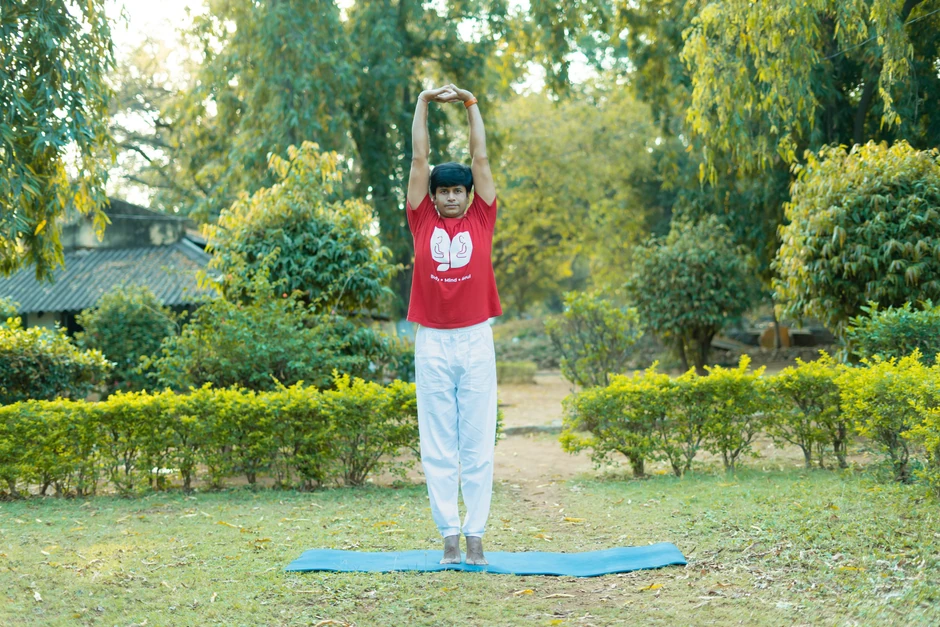
Mountain Pose is the foundation for all standing poses in Ashtanga yoga. While it looks simple, it teaches proper alignment, balance, and body awareness—skills you’ll use throughout the Primary Series.
Key Benefit: Improves posture and body awareness.
Beginner Modification: None needed—this pose is accessible to everyone.
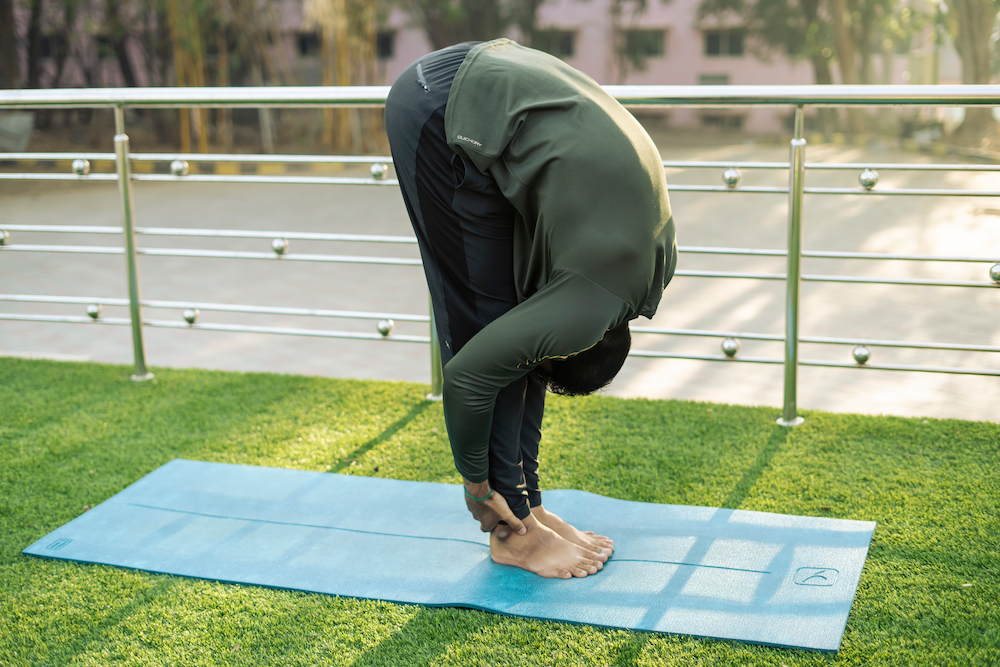
Forward Fold is an essential basic Ashtanga pose that appears early in the Primary Series. It gently stretches the back body while helping calm the nervous system, making it especially beneficial for beginners.
Key Benefit: Stretches hamstrings and releases back tension.
Beginner Modification: Bend knees generously and let arms dangle.
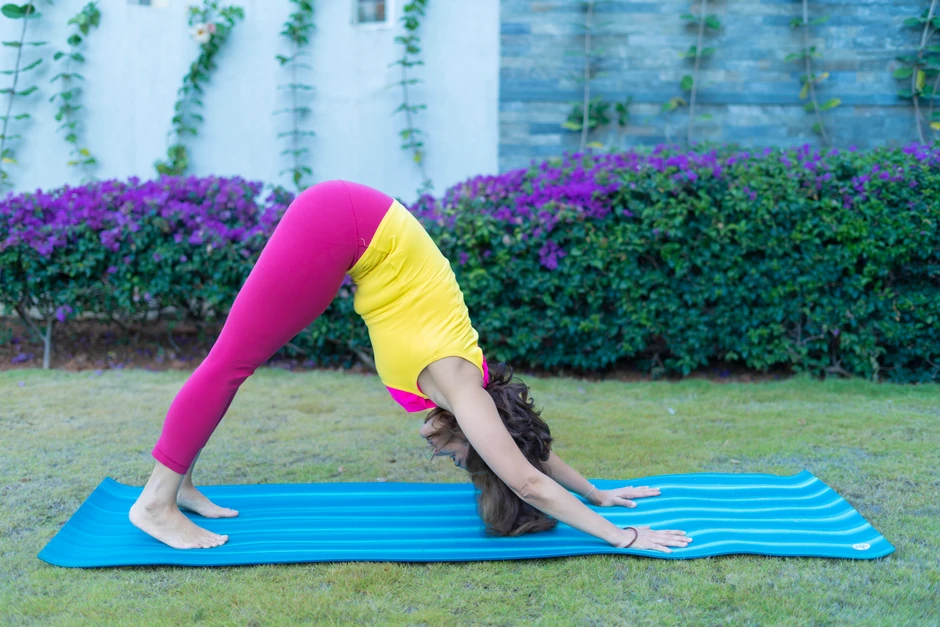
Downward-Facing Dog is one of the most important ashtanga yoga poses for beginners. It appears in every vinyasa transition and builds full-body strength while reinforcing breath-movement coordination.
Key Benefit: Strengthens and energizes the entire body.
Beginner Modification: Bend knees and lift heels off the floor.
These poses form the backbone of sun salutations, a defining feature of Ashtanga vinyasa practice.
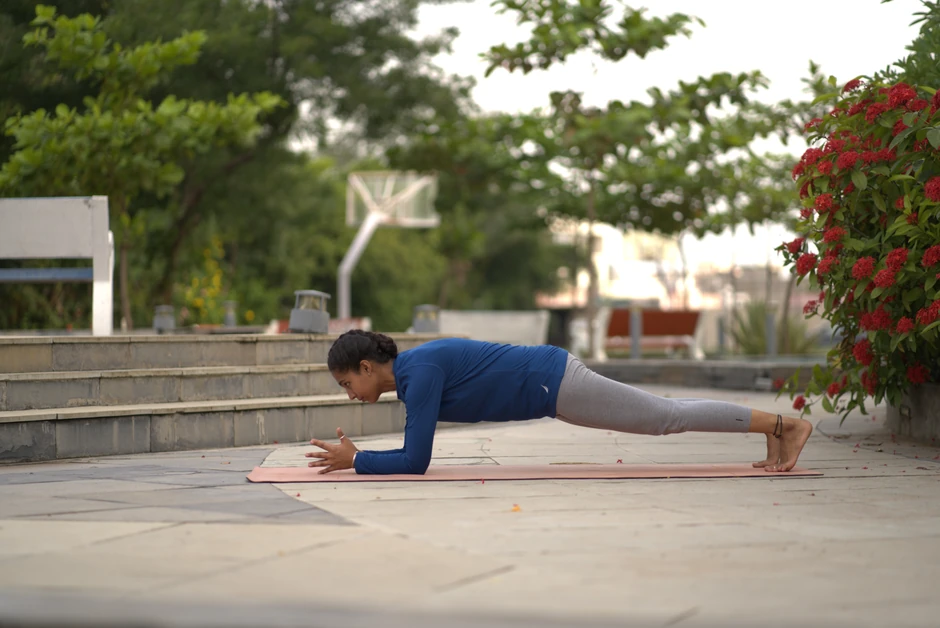
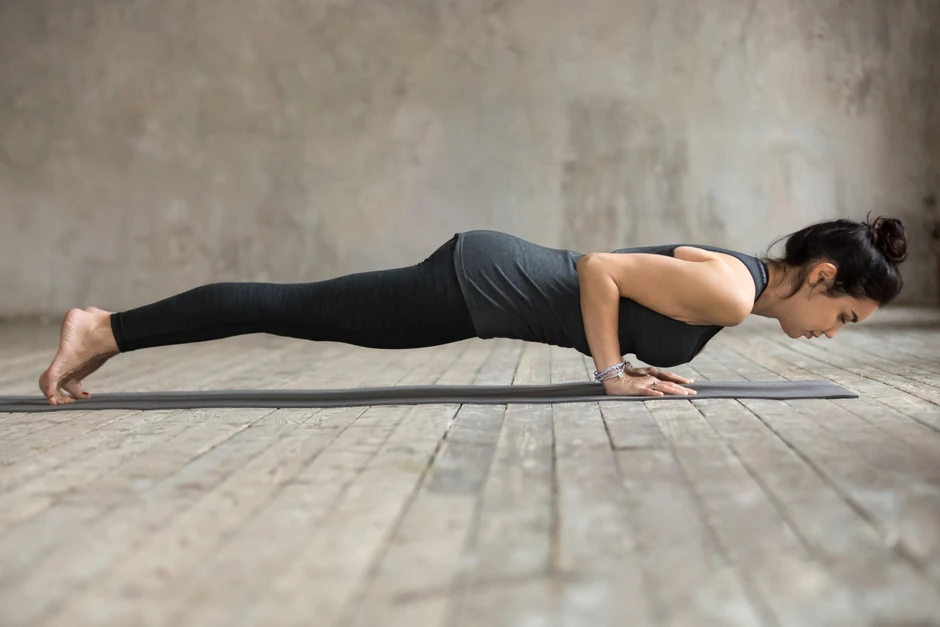
Plank Pose builds the core and upper-body strength needed for smooth vinyasa transitions, which are central to Ashtanga yoga for beginners.
Key Benefit: Builds arm and core stability.
Beginner Modification: Drop knees to the floor while keeping hips lifted.
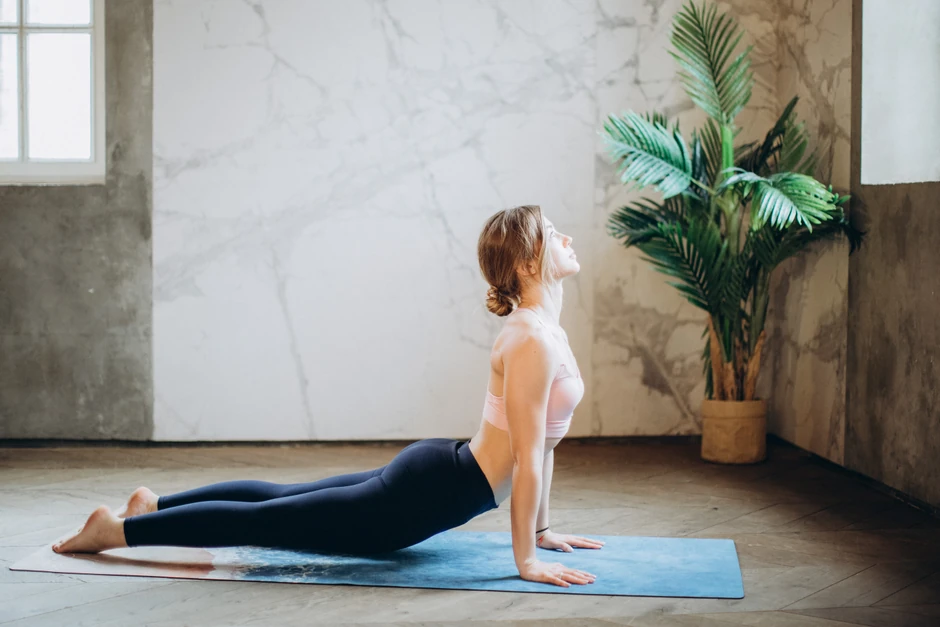
Upward-Facing Dog is the backbend component of sun salutations. It opens the chest and strengthens the spine, counteracting the effects of prolonged sitting.
Key Benefit: Strengthens the spine and improves posture.
Beginner Modification: Practice Cobra Pose with thighs on the floor.
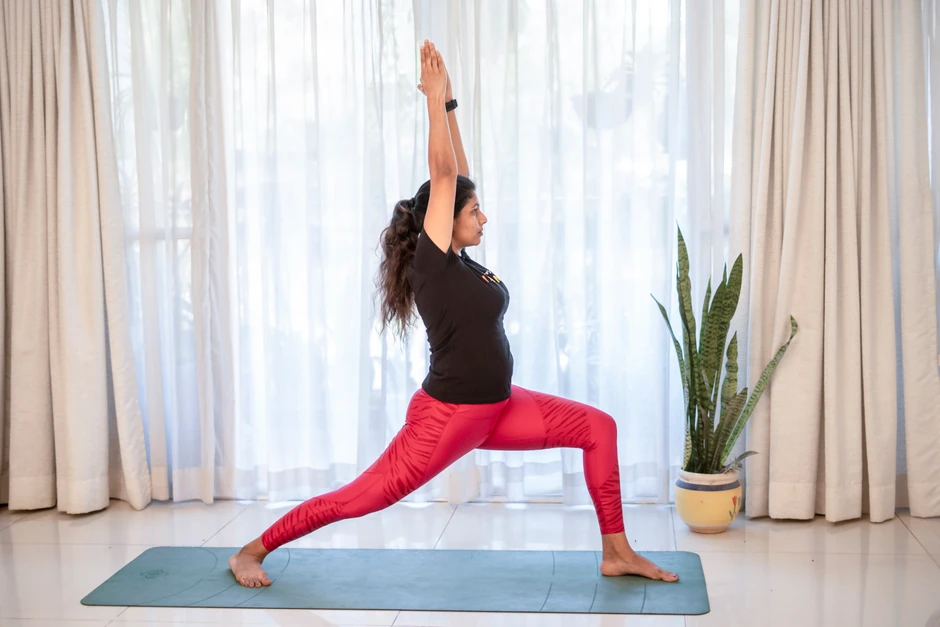
Warrior I is the first standing pose in the Ashtanga Primary Series standing sequence. It builds strength, stability, and focus.
Key Benefit: Builds leg strength and hip flexibility.
Beginner Modification: Shorten stance or place hands on hips.
These basic Ashtanga poses prepare your body for seated work in the Primary Series.
Staff Pose sets the alignment for all seated poses in Ashtanga yoga. It teaches active sitting rather than passive slouching.
Key Benefit: Improves seated posture and alignment.
Beginner Modification: Sit on a folded blanket to elevate hips.
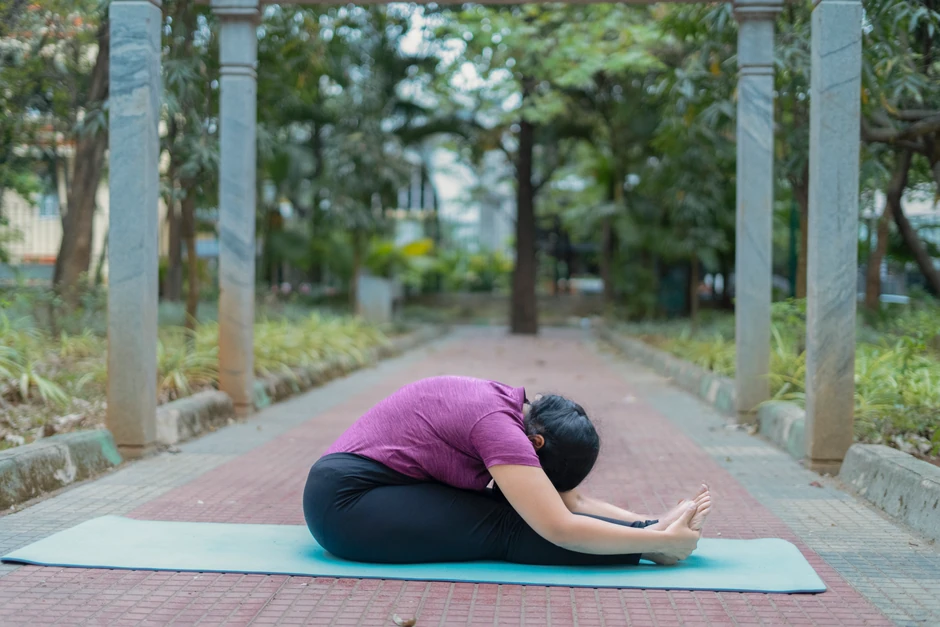
This key Primary Series pose stretches the entire back body while calming the mind, supporting the therapeutic goal of yoga chikitsa.
How to Do It:
Key Benefit: Increases flexibility and mental calm.
Beginner Modification: Use a strap and keep knees bent.
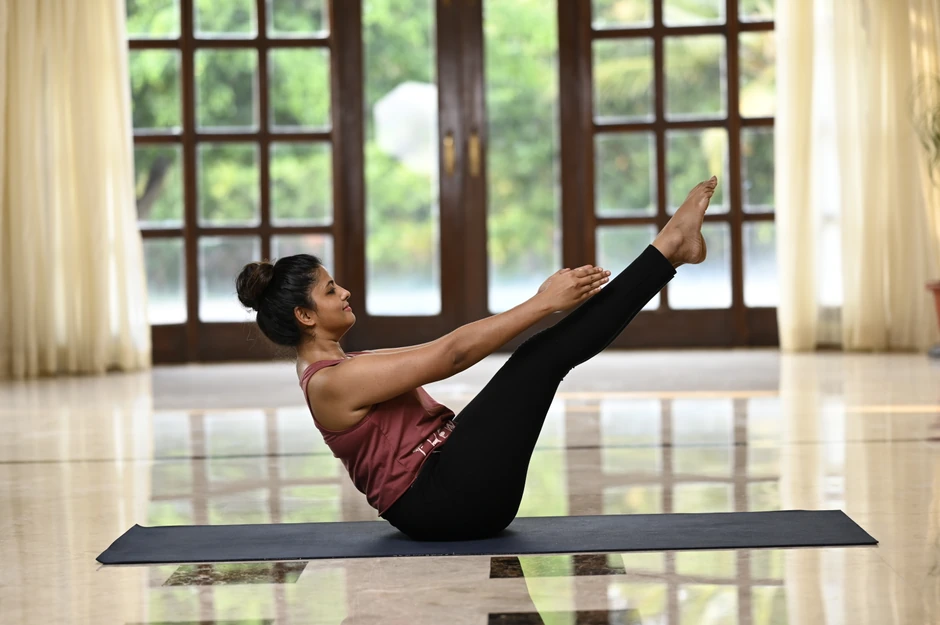
Boat Pose appears five times in the closing sequence of the Primary Series. It builds the core strength needed for transitions and jump-backs.
Key Benefit: Strengthens core muscles.
Beginner Modification: Keep knees bent and hold behind thighs.
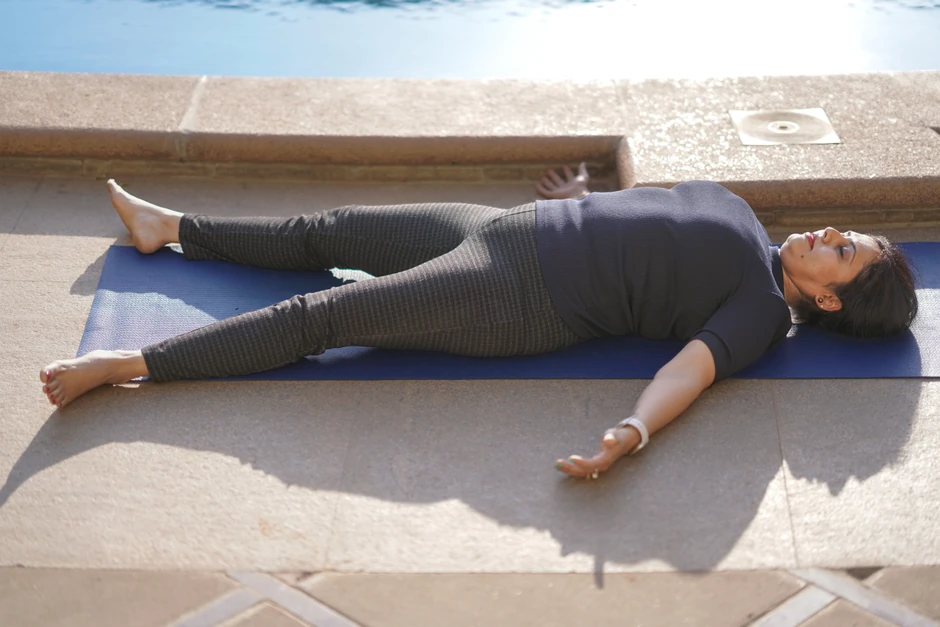
Savasana is the final and most essential pose in any Ashtanga practice. It allows the body and nervous system to fully absorb the benefits of your practice.
Key Benefit: Reduces stress and supports recovery.
Beginner Modification: Place a bolster under the knees.
[inline-CTA-1]
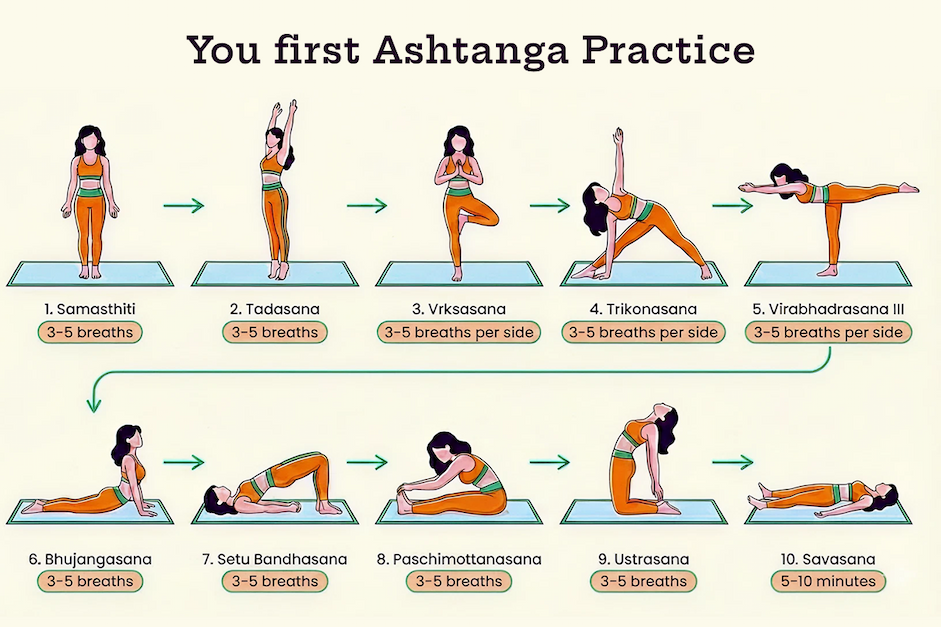
Here’s how to practice ashtanga yoga poses for beginners for the best results:

With consistent practice 3–4 times per week, most beginners start feeling more stable, confident, and coordinated within 2–4 weeks. Strength and flexibility improve gradually, but the biggest early shift is learning how to move with breath.
Not at all. Flexibility is not a prerequisite for Ashtanga—it’s a result of regular practice. These easy Ashtanga yoga poses for beginners are designed to safely increase mobility over time, especially when you use the provided modifications and focus on alignment.
Once these poses feel familiar and your breathing feels steady, the natural next step is to begin the Primary Series, which traditionally includes 41 poses practiced in a set sequence. Starting slowly and adding poses gradually helps maintain the therapeutic intent of the practice.




Receive personalized guidance tailored to your unique fitness goals, live with a dedicated coach—no credit card required.

Ashtanga vs. Vinyasa yoga: Learn how these yoga styles differ in flow, structure, and philosophy. Find the perfect fit for your journey and goals!

.webp)
Master the Ashtanga Yoga Primary Series with authentic Indian guidance. Learn poses, sequences & breathing techniques from certified yoga coaches. Start today!
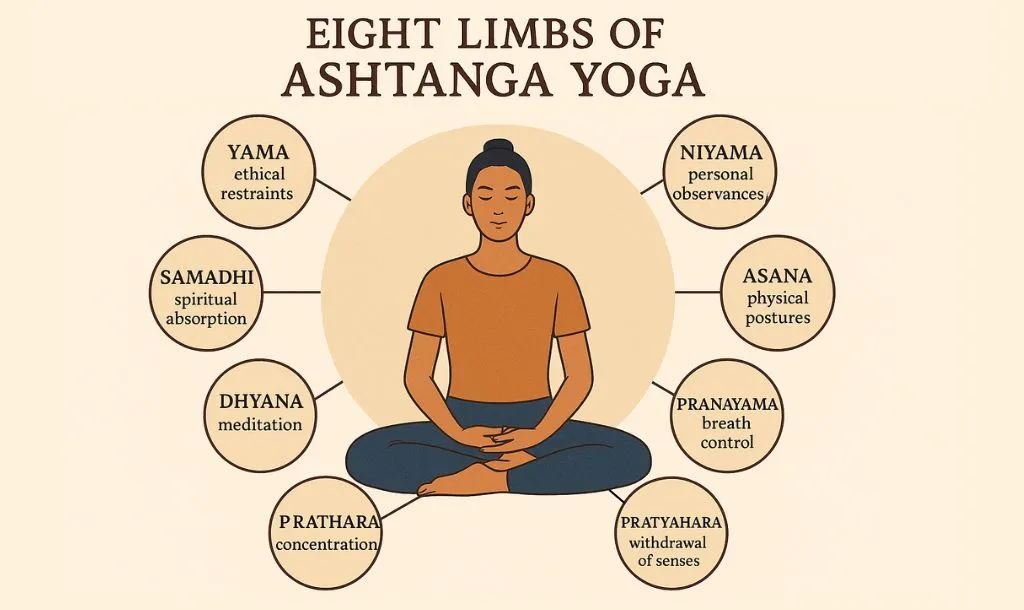
Discover the 8 limbs of Ashtanga Yoga from Patanjali's ancient wisdom. Learn each limb's meaning and how to apply it in modern practice. Start your journey today!


© Copyright 2025 MyYogaTeacher Inc


