


Yoga for beginners can feel intimidating when you believe you need to be flexible, fit, calm, thin, or young before you begin. You may also worry about falling behind, not understanding the poses, or looking out of place in your first class. However, none of those things disqualify you from practising yoga.
A beginner class starts with the body and energy you have today—not an ideal version of you. The aim is to learn how to breathe steadily, move with control, and notice what feels comfortable or challenging. This guide explains how to start yoga, what to expect in your first class, which styles suit beginners, and how a teacher can help you build a practice that feels manageable.
You do not need to be flexible to start yoga: flexibility develops through consistent practice, and beginner classes are designed around what your body can do now.
The idea that you must be able to touch your toes before joining a class gets yoga backwards. Yoga helps you gradually explore your range of movement; it does not expect you to arrive with a particular level of mobility.
Other common worries are just as understandable—and just as manageable:
At its foundation, beginner yoga trains steady breathing, attention, balance, and controlled movement. A gentle yoga practice can be an especially comfortable starting point when you feel stiff, nervous, or out of practice.
The best way to start yoga is to choose a beginner-friendly class, keep your first sessions short, and practise often enough for the movements to become familiar. You do not need to master the yoga basics before attending—learning them is the purpose of a beginner class.
Start with a slower style that gives you time to understand each movement. Hatha, gentle yoga, and slow flow are often suitable choices because poses are introduced at a manageable pace. Faster classes may feel frustrating when you are still learning how to breathe, balance, and move between positions.
Following a recorded video can be convenient, especially when your schedule changes from week to week. However, a video cannot see when a pose feels uncomfortable or suggest an option for your body. In a live class, a teacher can answer questions, observe your movement, and adapt the practice. Choose the setting that makes you most likely to practise consistently, while being honest about how much guidance you need.
You need a yoga mat and clothes that allow you to move comfortably. Blocks, straps, and specialised clothing can be useful later, but they are not requirements for beginner yoga. The equipment guide below explains what is worth considering and what can wait.
Begin with a 20–30-minute session rather than committing immediately to a long class. A shorter practice gives you time to learn the instructions without becoming overwhelmed or overly tired. You can extend your sessions gradually as the movements become more familiar.
Choose your practice days before enthusiasm competes with work, errands, and family responsibilities. Two or three short sessions each week is a manageable starting rhythm for many beginners. Put them in your calendar and treat them like any other appointment that supports your health.
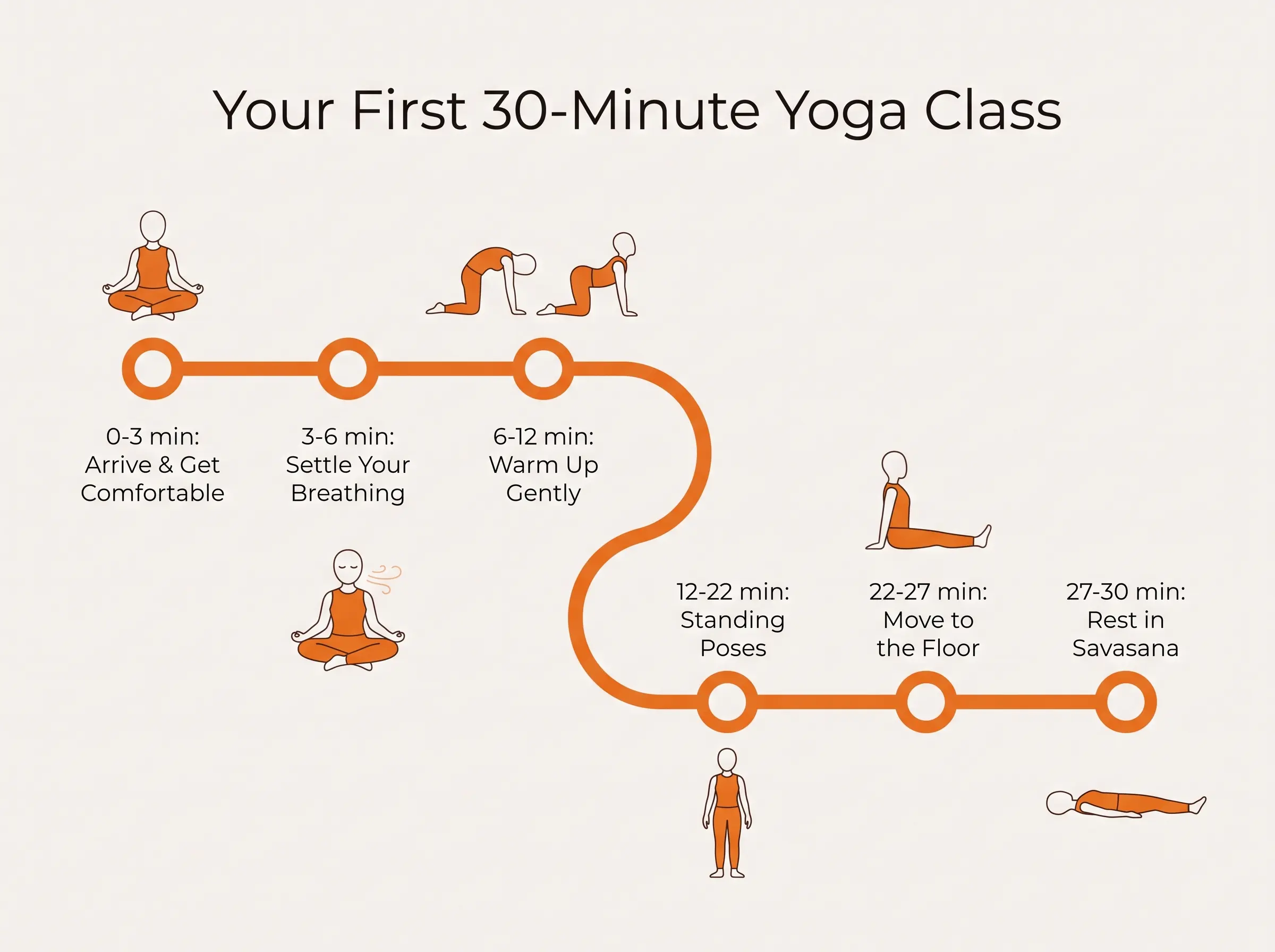
Most yoga classes for beginners follow a simple sequence: you settle in, practise steady breathing, warm up gently, learn a few standing and floor poses, and finish with rest. You will not be expected to perform a headstand or already know the names of the poses.
A typical 30-minute beginner class may look like this:
It is normal to wobble, pause, or forget which side you are using. Sanskrit pose names are usually translated, and you can rest whenever you need to. Other students are generally focused on following the teacher, not judging your movements.
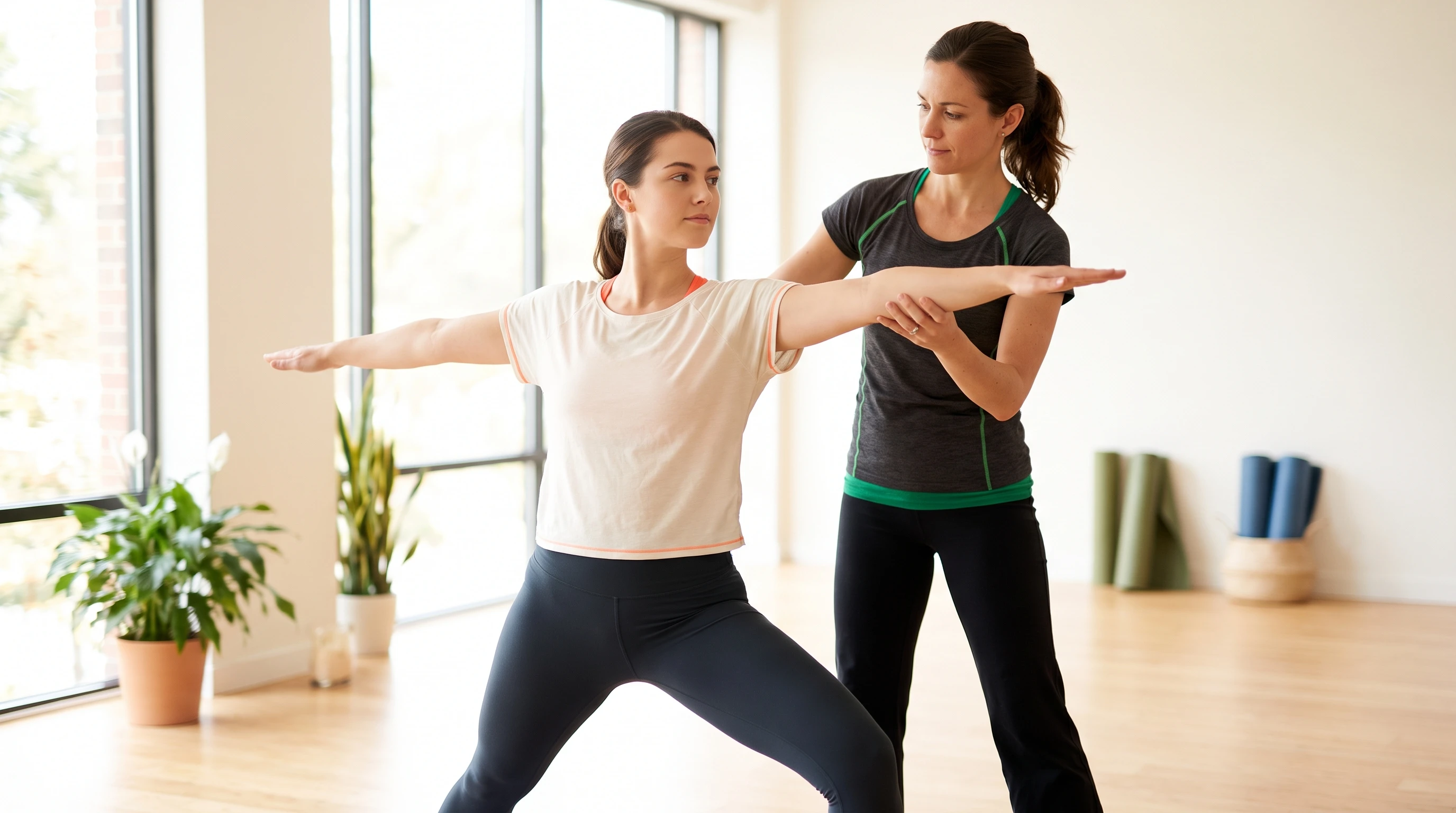
In a 1-on-1 beginner yoga class, the teacher can adapt the session as it happens. A standing pose can be moved to a chair, a deep bend can become a smaller movement, and the pace can slow when you need more explanation.
Most beginners do well with a slow, clearly labelled beginner class such as Hatha, gentle yoga, or slow flow. The best choice is not determined by the style name alone—the pace, class level, and teacher’s approach matter just as much.
“Hatha” can mean slightly different things depending on the teacher or platform, so check the class description before booking. Look for phrases such as beginner-friendly, gentle, foundations, or slow-paced.
Pace matters because beginners need enough time to hear an instruction, try the movement, and notice how it feels before changing positions. A slower class also makes it easier to ask questions and use a modification without feeling left behind.
When comparing beginner yoga classes, choose one that matches your current energy and confidence rather than the class that sounds most challenging. The right first style is the one that helps you learn comfortably enough to return. For a broader comparison, see What Style of Yoga Is Right for Me?
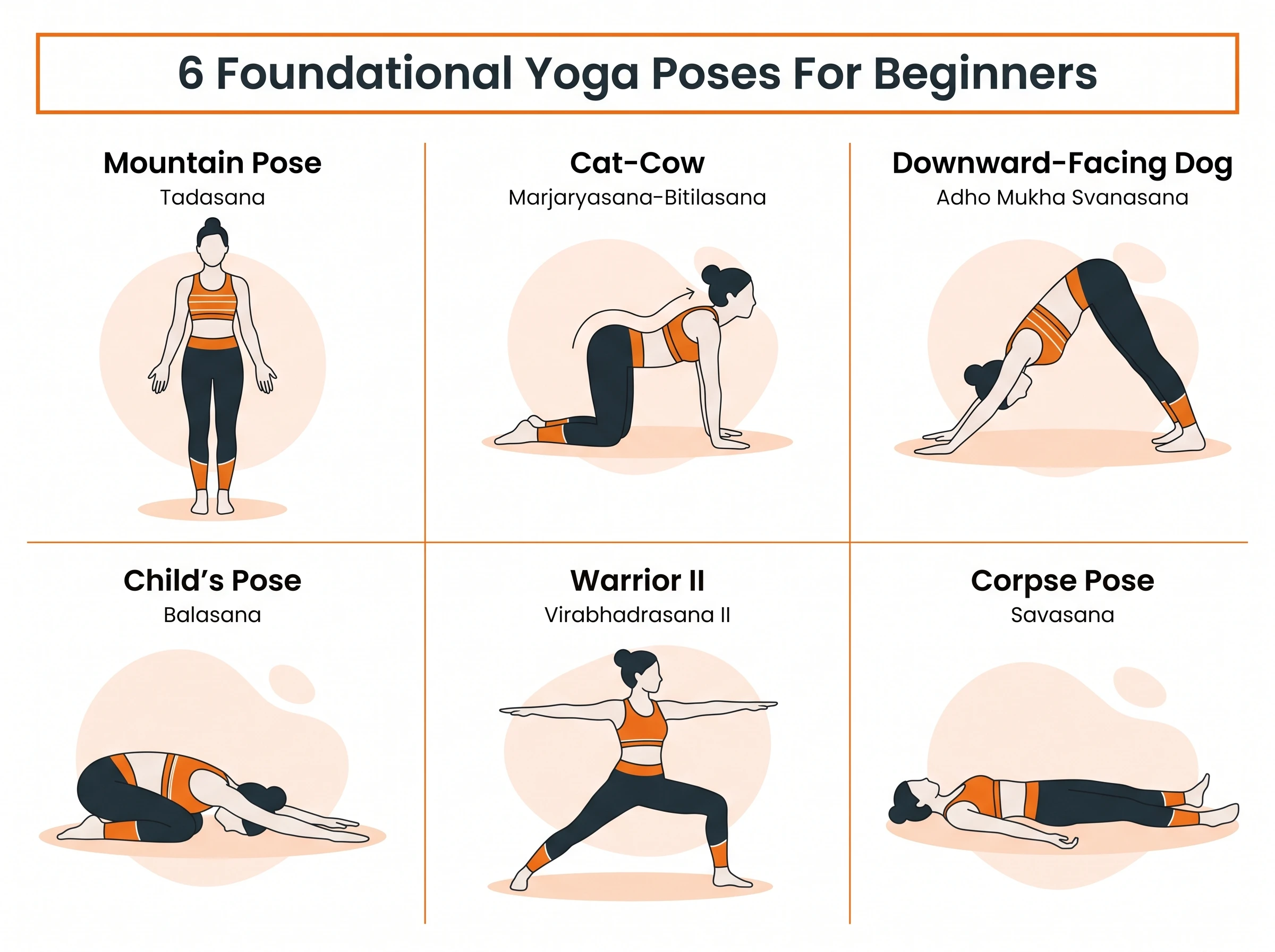
These six poses often appear in yoga for beginners classes, but they are not a complete routine, and none needs to look perfect. Move within a comfortable range, breathe steadily, and stop if a position causes pain.
Mountain Pose develops awareness of posture, balance, and steady standing.
Modification: Stand near a wall or rest one hand lightly on a chair if you feel unsteady.
Cat-Cow gently moves the spine while helping you coordinate movement with breathing.
Modification: Place a folded blanket under your knees or practise the spinal movement while seated in a chair.
Downward-Facing Dog lengthens the back of the body and builds strength through the arms and shoulders.
Modification: Place your hands on a wall or sturdy chair to reduce pressure on your wrists and shoulders.
Child’s Pose offers a place to pause, breathe, and release effort during class.
Modification: Place a cushion beneath your hips or chest for additional support.
Warrior II develops leg strength, stability, and concentration.
Modification: Shorten your stance or reduce the bend in your front knee.
Savasana allows your body and breathing to settle at the end of practice.
Modification: Place a cushion or rolled blanket beneath your knees to support your lower back.
Looking for more easy yoga poses for beginners? Explore 20 beginner-friendly standing yoga poses, or browse the complete yoga asana library.
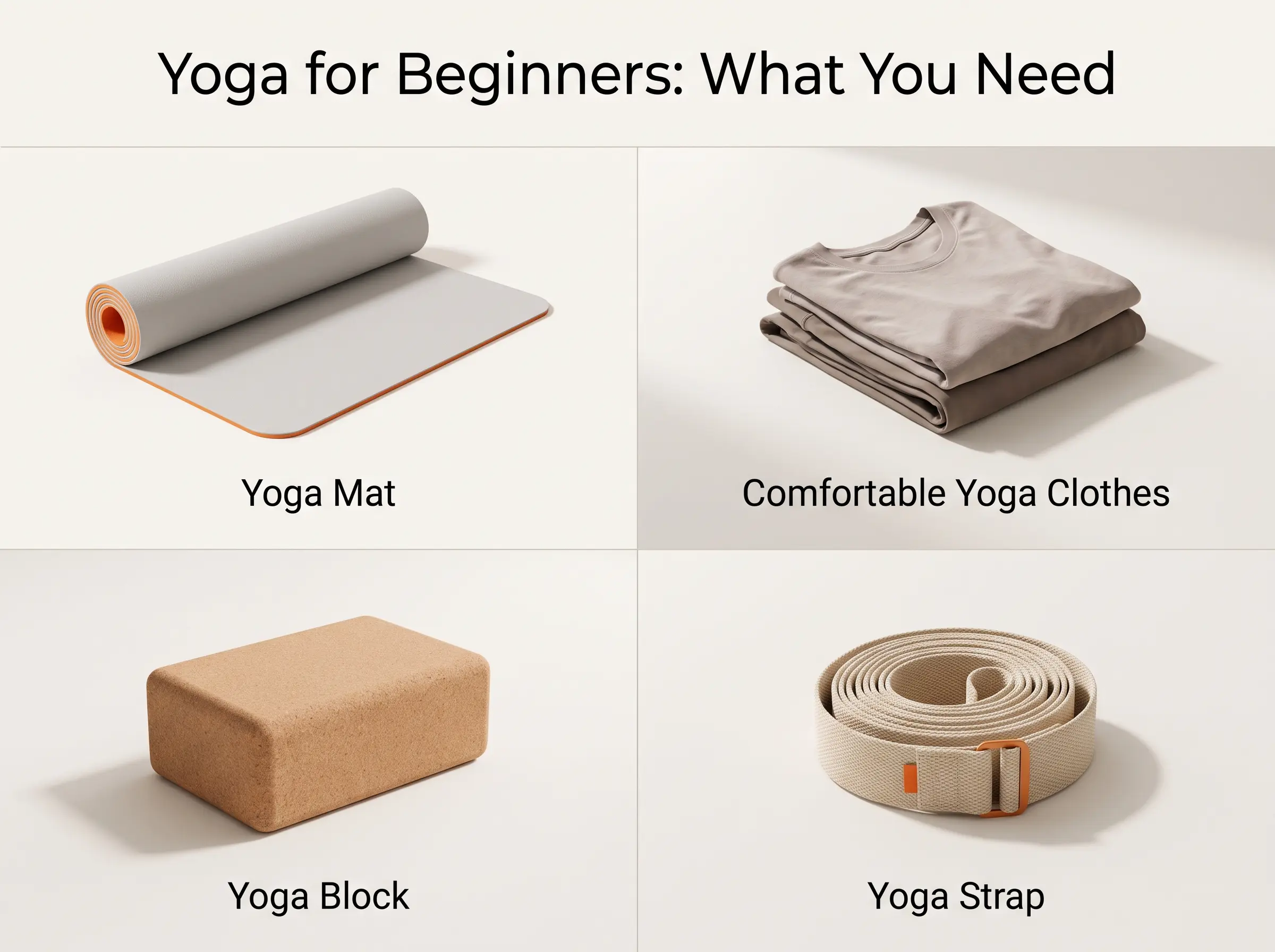
You do not need expensive equipment to start yoga. A mat and comfortable clothes are enough for most beginner classes.
Two props may become useful later:
You do not need an expensive outfit, a mat towel, or an app subscription to begin. Start simply, learn what your body needs, and add equipment only when it makes your practice more comfortable.
Two or three 20–30-minute yoga sessions a week is a manageable starting rhythm for many beginners. Practising regularly matters more than completing one long session and then waiting a week to return.
At first, even simple movements can feel unfamiliar. You may need to look at the teacher often, pause to adjust your position, or think carefully about which arm or leg to move. This is a normal part of learning beginner yoga.
Some people notice that steady breathing and relaxation begin to feel easier within the first few sessions. Changes in balance, strength, and mobility usually take several weeks of consistent practice, depending on your starting point, health, and the type of yoga you choose. The poses also tend to feel less awkward as their names and movement patterns become familiar.
Avoid measuring progress by how deeply you can stretch. Better signs include breathing without holding your breath, moving with more control, recovering more comfortably after class, and feeling confident enough to choose a modification.
Choose a schedule you can maintain during busy weeks. Twenty minutes practised regularly will usually support your progress better than an ambitious routine you struggle to repeat.
Most beginner yoga mistakes come from trying too hard rather than not trying hard enough. Learning to notice your breath, effort, and comfort is more valuable than forcing a pose to look a certain way.

Start with a slow, beginner-level class and keep your first sessions to 20–30 minutes. A mat, comfortable clothes, and two or three planned practice times each week are enough to begin.
Hatha, gentle yoga, and slow flow are often good starting choices. More important than the style name is finding a clearly labelled beginner class that gives you enough time to understand each movement.
Yoga cannot selectively remove fat from your abdomen. It may support overall weight management when combined with regular physical activity, sustainable eating habits, sleep, and other healthy routines.
There is no fixed timeline, and performing difficult poses is not the goal. With regular practice, many beginners gradually become more familiar with the instructions, breathing, and foundational movements over several weeks.
It depends on the style, intensity, and your health goals. Yoga can support mobility, balance, and strength, but many adults also benefit from aerobic activity such as brisk walking and dedicated muscle-strengthening exercise.


Receive personalized guidance tailored to your unique fitness goals, live with a dedicated coach—no credit card required.

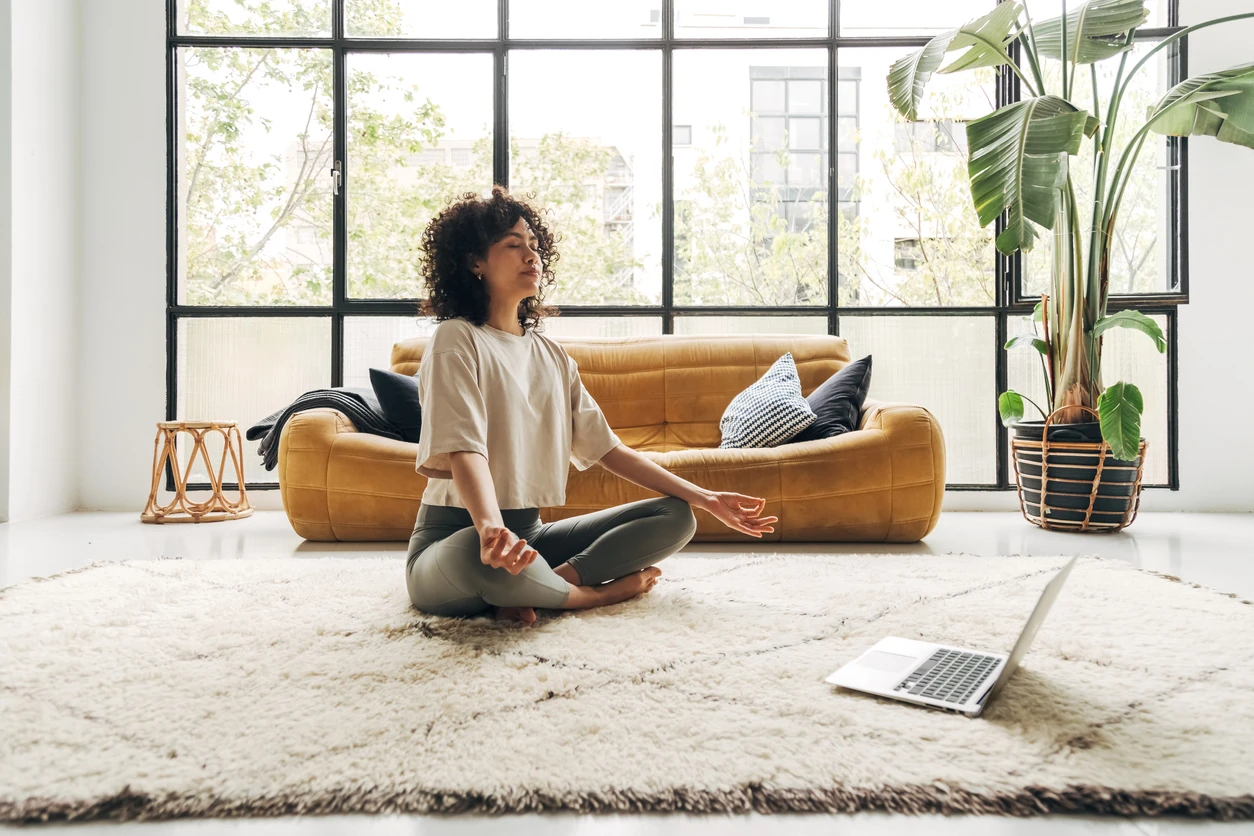
Start yoga at home with a simple setup, a 15-minute beginner routine, and easier options for stiff or uncertain days. Book a free live 1-on-1 session.

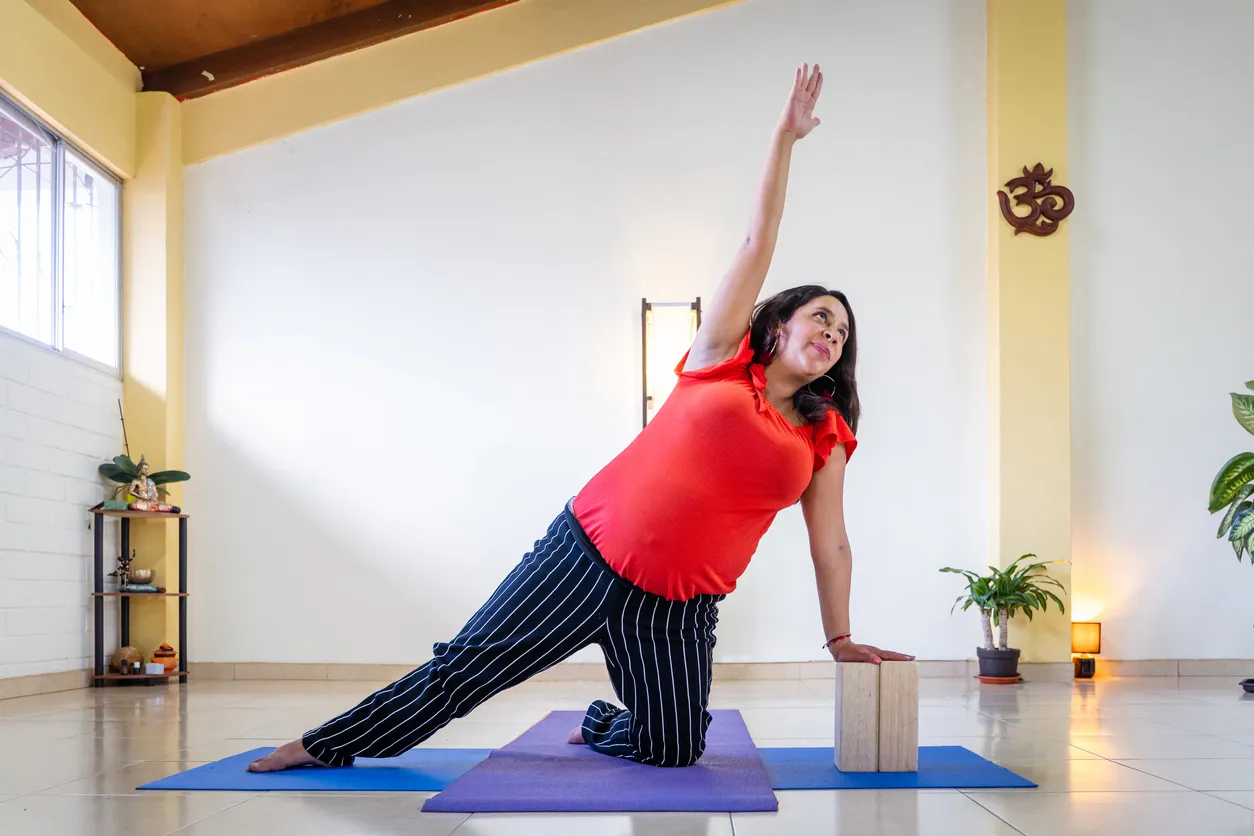
Use a yoga block to deepen 10 essential stretches for your back, hips, chest, and legs. Step-by-step poses for beginners and experienced yogis alike.
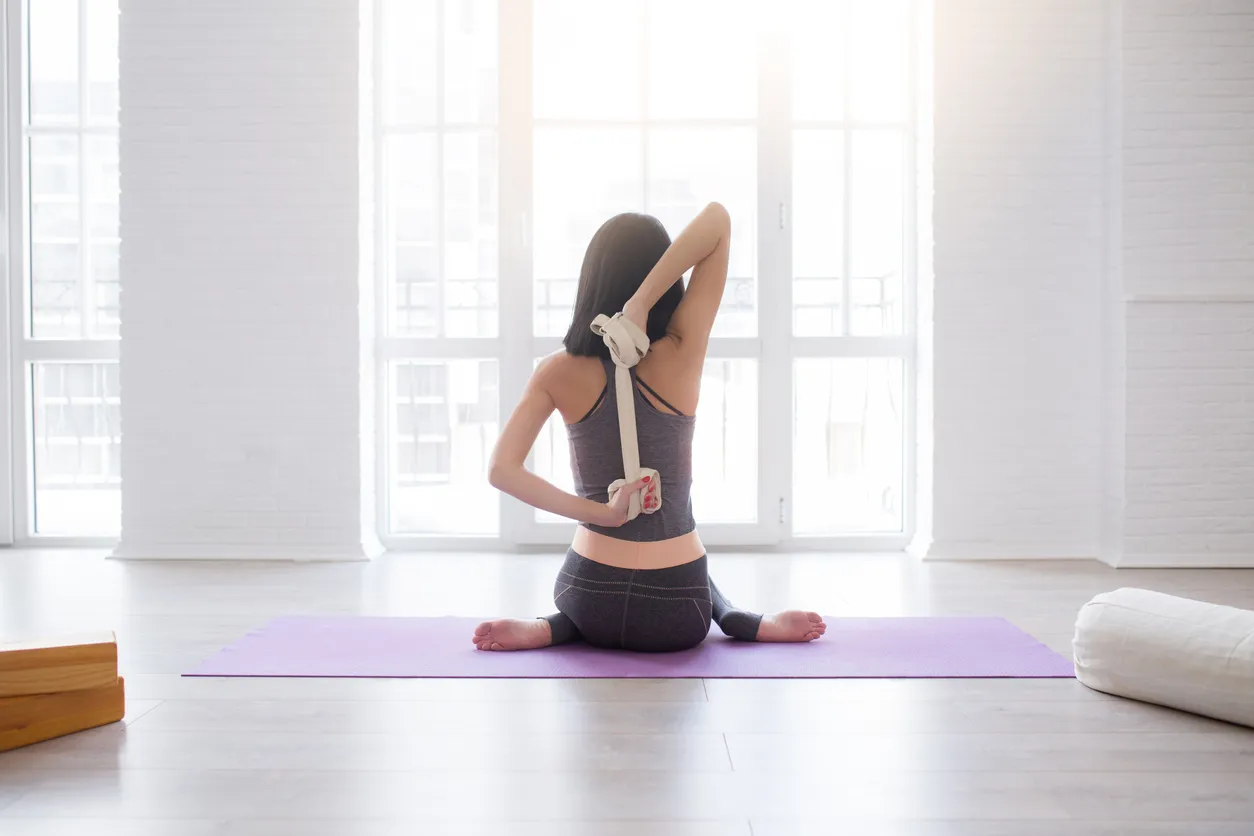
Learn how to use a yoga strap to deepen 8 essential stretches for your back, hips, shoulders, and legs. Step-by-step poses for all levels.


© Copyright 2025 MyYogaTeacher Inc


