


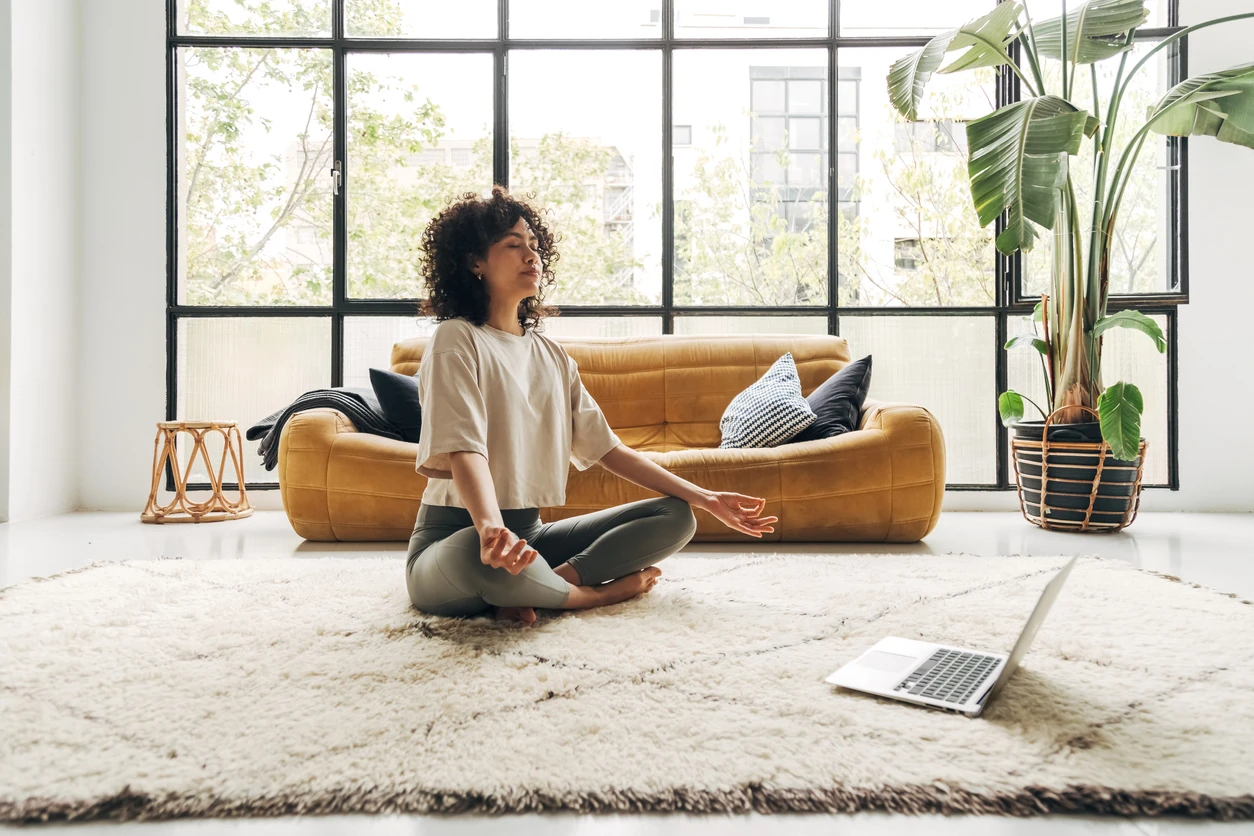
Yoga for beginners at home can be a practical way to start when travelling to a studio feels like too much of a commitment. You need only a small, clear space, a few comfortable movements, and enough time to learn without rushing.
Practising at home also gives you privacy and flexibility—but it does not mean you have to figure everything out alone. A live teacher can help you adjust poses, answer questions, and build confidence while you practise from your own room.
This guide gives you a simple setup and a 15-minute beginner routine you can follow today.
Completely new to yoga? Start with our Yoga for Beginners guide.
Yes, you can start learning yoga at home—with two important caveats: choose instructions made for beginners, and recognise when live feedback would help.
Home practice removes several common barriers. There is no commute, you can practise without feeling watched, and you can pause or repeat a movement until the instructions make sense. Following the same short beginner yoga routine also helps the names and transitions become more familiar.
The limitation is that a video cannot see how your body is responding. You may not notice that you are holding your breath, lifting your shoulders, shifting most of your weight to one side, or moving farther into a pose than feels comfortable. Repeating these habits does not mean you have failed, but they can become harder to change when nobody points them out.
A practical way to learn how to do yoga at home is to combine independent practice with occasional live guidance. Use a short routine between sessions, then ask a teacher to check the movements that feel uncertain or uncomfortable.
Practising at home gives you convenience and privacy. Practising with a teacher gives you observation, answers, and adaptations. You can benefit from both without choosing one or the other.
You do not need a dedicated room to practise yoga at home. Clear an area about the size of a yoga mat, with enough space to lie down and extend your arms and legs without hitting furniture.
Morning and evening can both work. For now, choose a time when the space is available, and you are most likely to practise consistently.
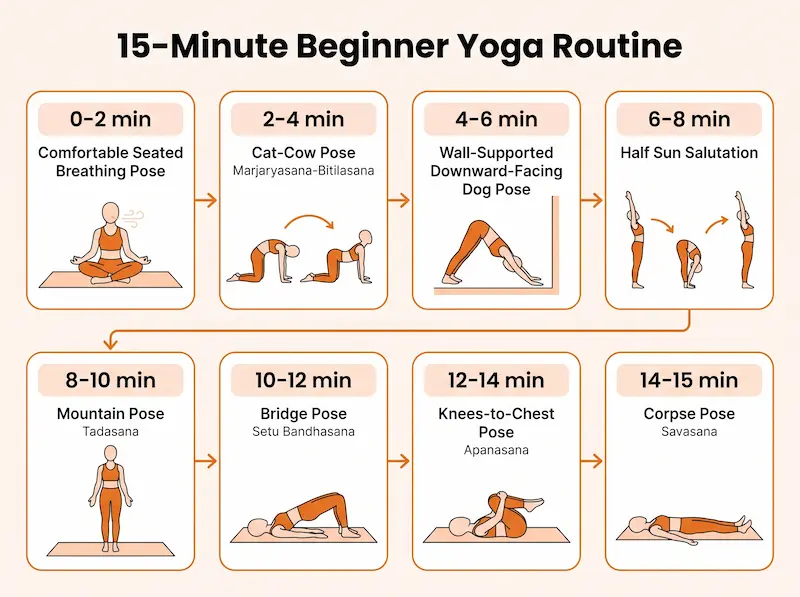
This beginner yoga routine combines breathing, gentle spinal movement, supported standing poses, and rest. Move slowly, keep the range comfortable, and use the wall or a sturdy chair whenever you need additional support. Stop if you feel sharp pain, dizziness, or unusual discomfort.
Complete each movement once or repeat it slowly until the suggested time has passed. The aim is not to fit in as many repetitions as possible. Give yourself enough time to understand each movement and continue breathing comfortably.
On a busy day, shorten the practice rather than skipping it. Try:
Want to study the movements in more detail? Explore beginner-friendly standing poses or browse the complete yoga asana library.
A video can demonstrate a movement, but it cannot see how you are performing it. During a live beginner session, a teacher may notice small habits that are difficult to recognise from inside your own body.
For example, a teacher can see when:
These adjustments are not about making a pose look perfect. They help you move with greater awareness and choose an option that suits your body that day.
Home practice gives you convenience. Occasional live guidance gives you feedback you can carry into every practice that follows.
Fifteen to twenty minutes is enough for a beginner to learn a short sequence and build a consistent yoga habit. Whether that amount meets all your exercise needs depends on the style, intensity, and other movement you do during the week.
Start with two or three sessions a week. Daily practice can also work when sessions are gentle, and your body feels comfortable, but you do not need to practise every day to make progress. Consistency matters more than completing one long session and then struggling to return.
Morning yoga for beginners can help ease the body into movement after sleep. You may feel stiffer at that time, so begin slowly and keep your range comfortable. Evening practice can be useful when you want to release tension and settle after work.
The best time is the one you can maintain. Choose a realistic place in your schedule rather than waiting for the perfect hour.
Some people notice greater awareness of their breathing or tension early on. Changes in mobility, balance, and strength usually require consistent practice over time and vary according to your starting point, health, and routine.
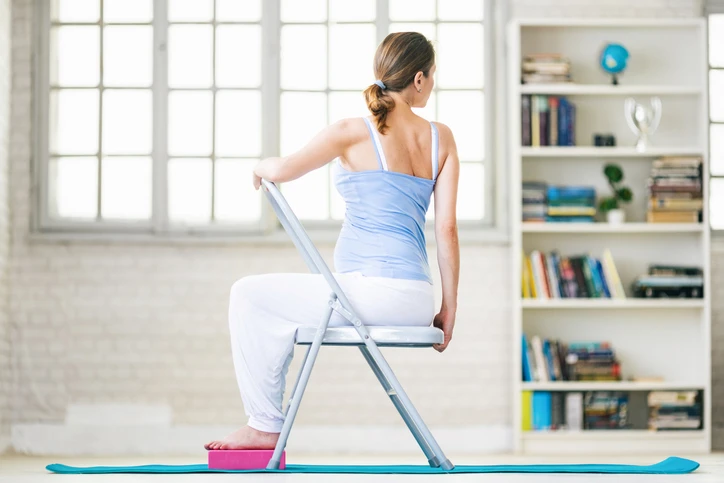
Being over 50 does not automatically mean you need chair yoga or must avoid standing poses. Start with movements that match your balance, joint comfort, energy, and confidence—not assumptions about what someone your age should be able to do.
Use a wall or sturdy chair when balance feels uncertain, and choose a smaller range of movement when kneeling, bending, or moving to the floor is uncomfortable. Gentle spinal movements, supported standing poses, and steady breathing can help you become familiar with yoga without rushing into deep stretches or difficult transitions.
Early on, avoid forcing a pose, holding your breath, or trying to match the person demonstrating it. Build control and comfort first; greater range can develop gradually.
A gentle yoga practice may be a reassuring place to begin. You can also explore chair yoga or read more about yoga for women over 50.

Yes, you can begin with clear, beginner-level instructions and a short sequence you repeat regularly. The limitation is that a recorded video cannot see when you are holding your breath, moving unevenly, or need a different option. Occasional live guidance can help you practise more confidently.
Twenty minutes is enough to learn a short beginner yoga routine and build consistency. Whether it meets all your exercise needs depends on the type and intensity of yoga, as well as the other physical activity you do.
Clear a small practice space, choose a gentle 15–20-minute session, and begin with simple breathing and controlled movements. Practising two or three times a week is a manageable starting rhythm.
Gentle yoga, beginner Hatha, and chair yoga can all be suitable. Choose according to your balance, joint comfort, mobility, and confidence rather than age alone. A wall or sturdy chair can provide additional support.
A yoga mat is helpful because it provides grip and cushioning, but it is not essential on a clean, stable, non-slip floor. Avoid loose rugs or blankets that may slide or bunch beneath you.
Allow approximately 6 feet by 3 feet for your mat, with enough additional clearance to extend your arms and legs without touching furniture. Practising near a clear wall also gives you a useful source of support.


Receive personalized guidance tailored to your unique fitness goals, live with a dedicated coach—no credit card required.

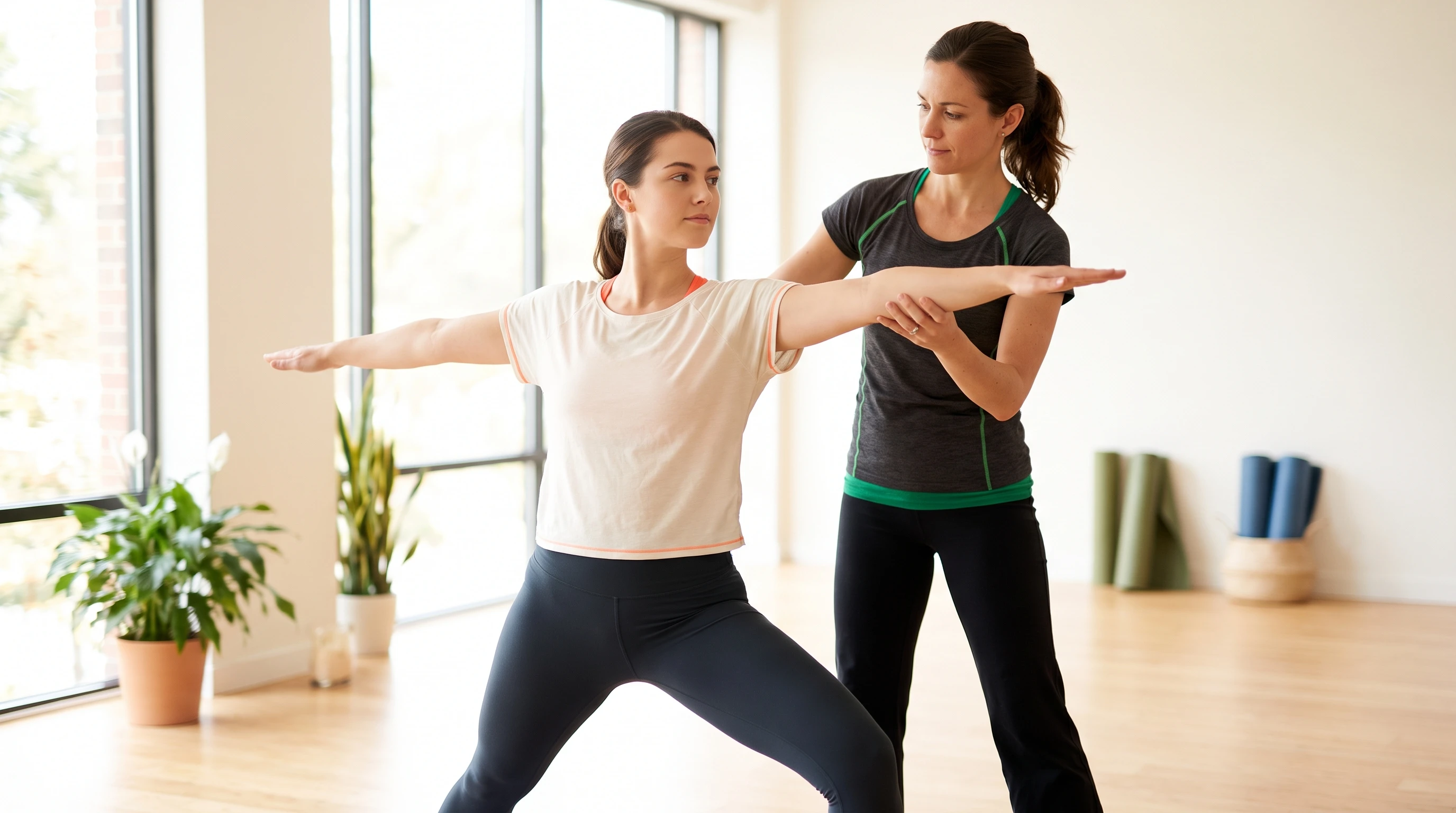
New to yoga? Learn how to start, what to expect in your first class, which style fits you, and why flexibility isn't a must. Try a free 1-on-1 session.

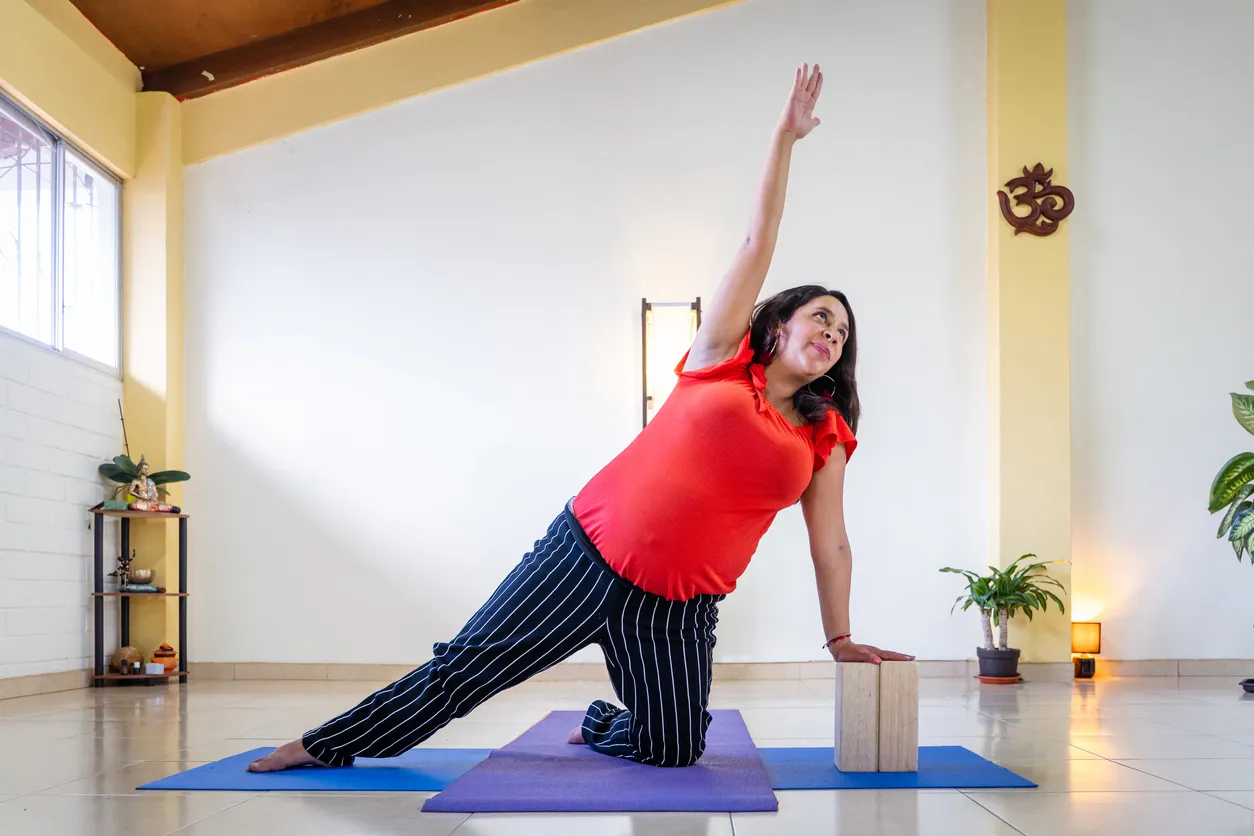
Use a yoga block to deepen 10 essential stretches for your back, hips, chest, and legs. Step-by-step poses for beginners and experienced yogis alike.
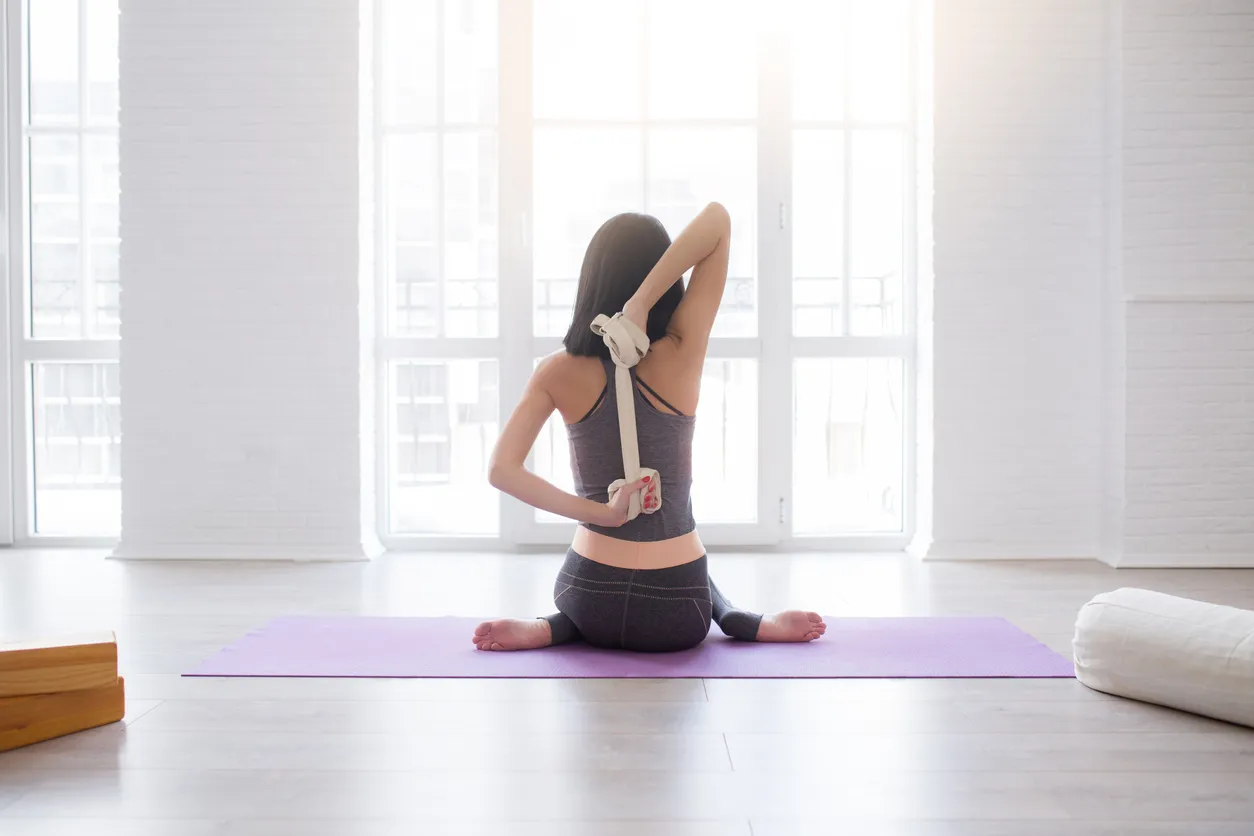
Learn how to use a yoga strap to deepen 8 essential stretches for your back, hips, shoulders, and legs. Step-by-step poses for all levels.


© Copyright 2025 MyYogaTeacher Inc


