


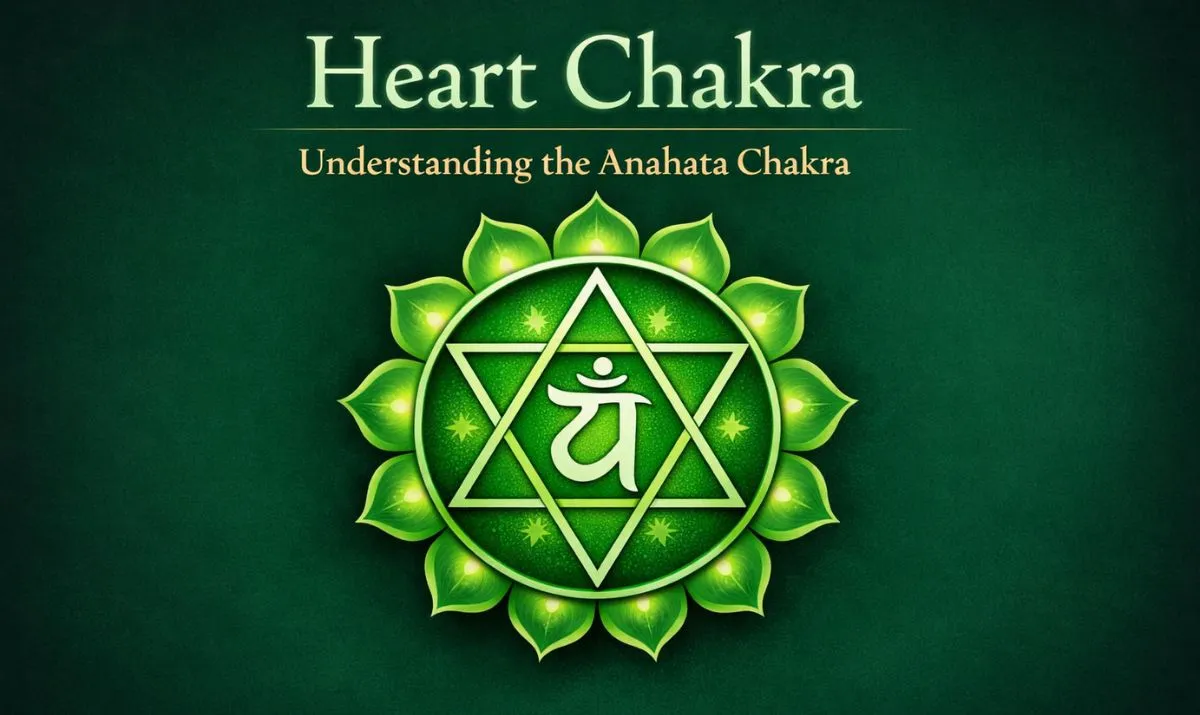
The heart chakra, known as Anahata in Sanskrit, is the center of love, compassion, and emotional connection. Located at the center of the chest, it governs how freely you give and receive love—not only with others, but also with yourself.
Anahata plays a unique role in the chakra system. As the fourth chakra, it bridges the lower chakras of physical survival, creativity, and personal power with the higher chakras of expression, intuition, and spiritual awareness. When the heart chakra is balanced, you feel open yet grounded, capable of deep connection without losing yourself.
When the heart chakra becomes blocked or imbalanced, emotional walls can form. You may find it difficult to trust, forgive, or feel safe being vulnerable. Over time, this can affect relationships, self-worth, and even the body through tension in the chest or shallow breathing.
In this guide, you’ll learn the meaning of the heart chakra, its location, symbol, and color, the signs of imbalance, and gentle, effective practices—including heart-opening yoga poses, affirmations, and meditation techniques—to heal and balance Anahata safely and naturally.
Learn everything about the 7 Chakras in this detailed guide!
Traditional yogic teachings describe the heart chakra as the center of love, compassion, and balance—where the physical and spiritual aspects of life meet. When this chakra is open and steady, energy flows smoothly between the lower chakras and the upper chakras. Without this balance, growth can feel guarded, disconnected, or emotionally overwhelming.
Modern perspectives echo this understanding, linking the heart chakra to emotional regulation, empathy, and healthy relationships. Together, these views highlight Anahata’s role as the bridge between body and spirit, allowing us to experience love with openness, clarity, and inner stability.
The Sanskrit name Anahata translates to “unstruck” or “unhurt.” It refers to a subtle inner space within the heart that remains whole and untouched, even after experiences of pain, grief, or loss. This meaning reflects the heart chakra’s deeper truth: beneath emotional wounds, there is an inherent capacity for love, forgiveness, and compassion that does not disappear.
The symbol of the heart chakra is a rich visual expression of harmony and integration. It is traditionally depicted as a green lotus with twelve petals, resting at the center of the chest. The twelve petals represent qualities such as love, compassion, joy, peace, kindness, forgiveness, and emotional balance—states of consciousness that naturally arise when the heart is open and nourished.
At the center of the lotus are two overlapping triangles, forming a hexagram. The upward-pointing triangle symbolizes consciousness, expansion, and spiritual awareness, while the downward-pointing triangle represents grounding, embodiment, and physical experience. Together, they express the union of spirit and matter, giving and receiving, self and others—an essential theme of the heart chakra.
The color green is closely associated with Anahata and represents healing, renewal, and balance, much like nature restoring itself after winter. Some traditions also associate the heart chakra with pink, reflecting tenderness, nurturing, and unconditional love. At the center of the symbol is the bija mantra YAM (यं). Chanting YAM creates gentle vibrations in the chest, supporting emotional openness, forgiveness, and a sense of connection.
Traditionally, the heart chakra is associated with the heart, lungs, chest, upper back, shoulders, and arms. It is also linked to the thymus gland, which plays a role in immune function and emotional resilience.
These physical associations reflect Anahata’s role as the center of circulation—of breath, blood, and emotional energy. When the heart chakra is balanced, breathing feels deeper, posture becomes more open, and the body feels lighter and more expansive. When imbalanced, tension may arise in the chest or upper back, breathing may become shallow, and the body may instinctively curl inward as a form of emotional protection.
While the heart chakra originates in ancient yogic philosophy, modern science offers meaningful parallels that help bridge this wisdom with contemporary understanding.
Together, these perspectives suggest that the heart chakra is not just a symbolic energy center, but a reflection of how breath, emotion, connection, and physical health work together to create a sense of balance, compassion, and inner harmony in everyday life.
| Aspect | Details |
|---|---|
| Sanskrit Name | Anahata (अनाहत) |
| Meaning | “Unstruck” / “Unhurt” |
| Chakra Number | Fourth chakra (of 7) – Bridge chakra |
| Location | Center of the chest, heart region |
| Color | Green (primary), Pink (secondary) |
| Element | Air (Vayu) |
| Bija Mantra | YAM (यं) |
| Symbol | 12-petaled green lotus with overlapping triangles |
| Governs | Love, compassion, forgiveness, emotional healing |
| Physical Associations | Heart, lungs, circulation, thymus, shoulders |
| Emotional Themes | Trust, empathy, grief, acceptance |
| Frequency | 639 Hz |
[inline-CTA-1]
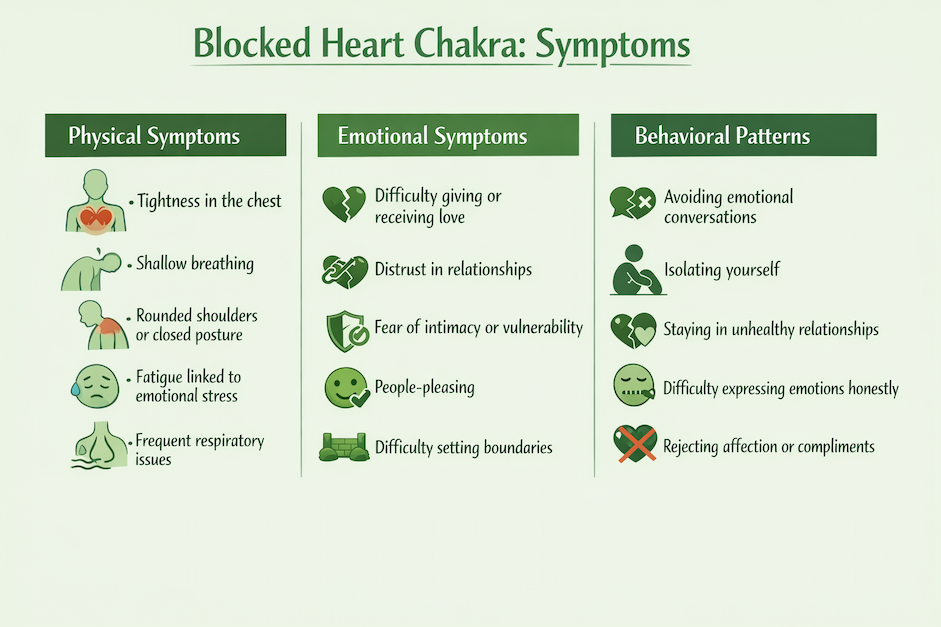
When the heart chakra (Anahata) is blocked or imbalanced, it often shows up as emotional protection, relationship difficulties, or unresolved grief. Because the heart chakra governs love, compassion, forgiveness, and connection, blockages usually form as a response to pain rather than a personal failing. These patterns are the body and mind’s way of staying safe after hurt.
Recognizing these signs is the first step toward healing and gently reopening the heart.
When the heart chakra is underactive or closed, you may notice:
When the heart chakra is overactive or unbalanced, it may appear as:
Both patterns point to the same need: restoring balance between love for others and love for yourself.
Because Anahata is connected to the heart, lungs, and upper body, imbalances may also appear physically, such as:
Important note: While emotional stress can influence physical sensations, persistent chest pain, breathing difficulty, or heart-related symptoms should always be evaluated by a healthcare professional. Heart chakra practices are supportive but not a replacement for medical care.
A blocked heart chakra may also influence how you move through life:
With patience, compassion, and gentle practice, the heart can heal and open again without forcing vulnerability or rushing the process.
Heart-opening yoga poses gently stretch the chest, shoulders, and upper spine—areas where emotional tension and protective patterns often settle. These practices encourage openness without force, helping you soften emotional armor while staying grounded and safe in your body.
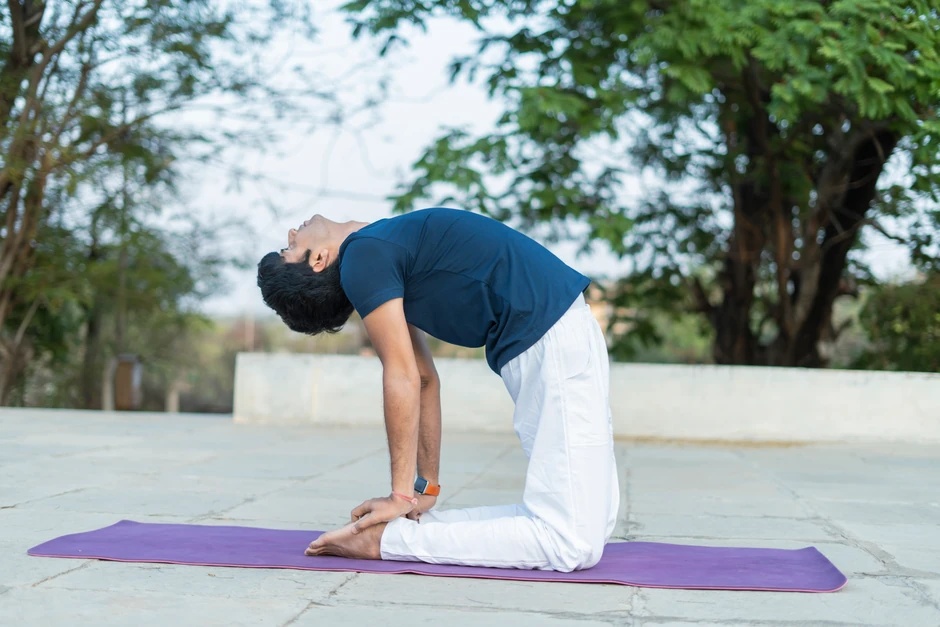
Camel Pose is one of the most powerful heart-opening backbends, expanding the entire front body and releasing deeply held emotional tension.

Cobra Pose offers a gentler heart opener while strengthening the spine and building trust in the body.

Fish Pose deeply stretches the chest and throat, counteracting slouched posture and emotional closing.

This energizing heart opener strengthens the back body while lifting the chest and gaze.
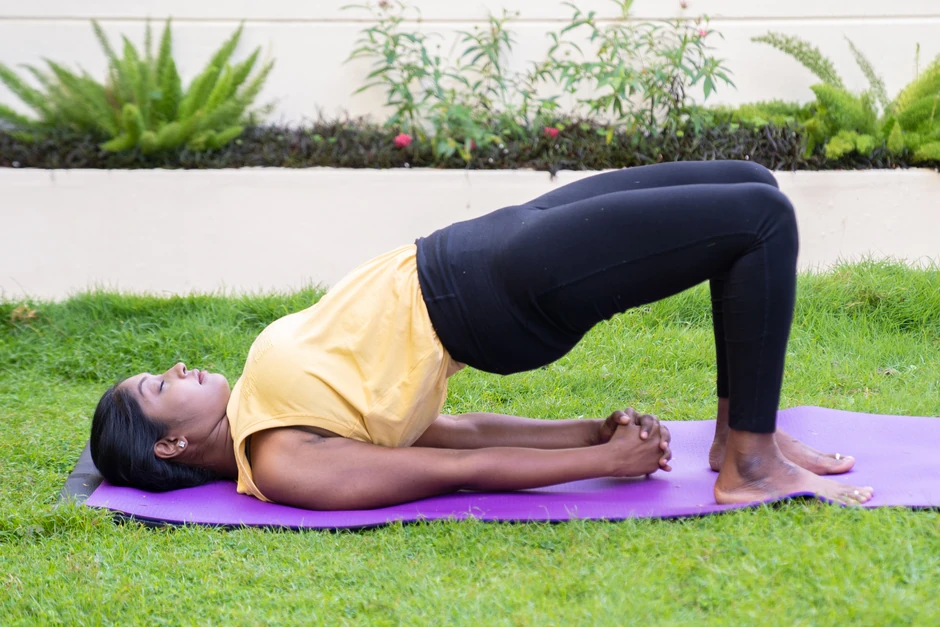
Bridge Pose is an accessible and supportive heart opener suitable for most practitioners.
Named after the heart chakra itself, this pose encourages surrender and emotional softening.
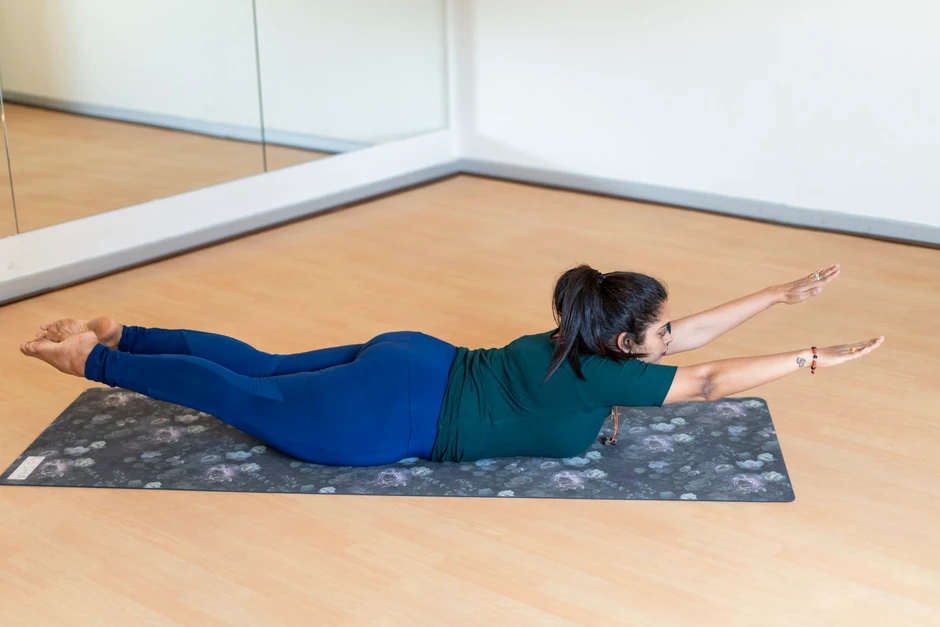
Locust Pose strengthens the back body while opening the chest, building stability in vulnerability.
Breathing is one of the most direct ways to open the heart chakra.
Practicing even 10–15 minutes a day can gently transform how safe it feels to open your heart. Move with patience, compassion, and respect for your emotional boundaries.
[inline-CTA-2]
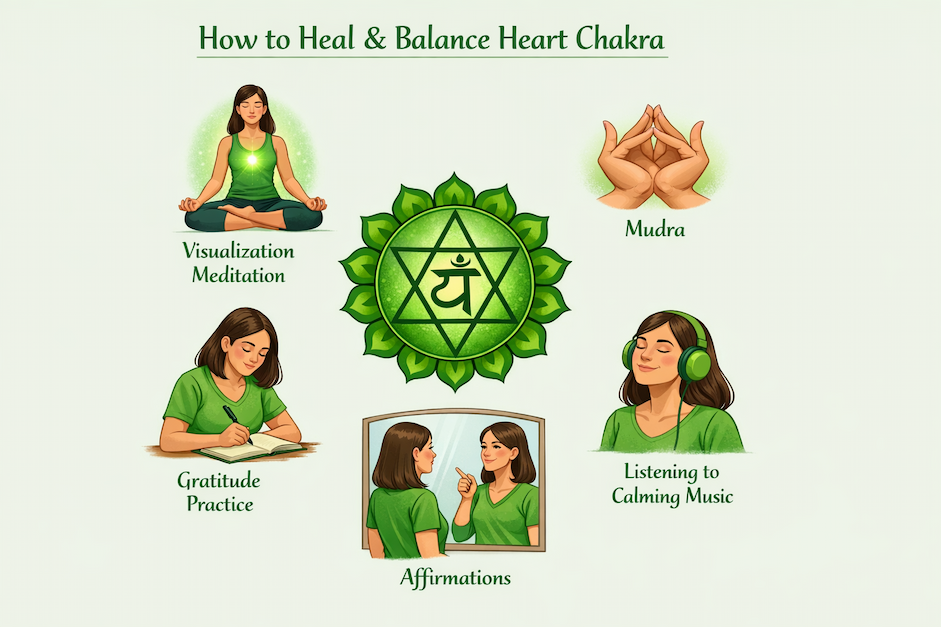
Opening the heart chakra is a gentle, layered process. While yoga poses help release physical tension around the chest, deeper healing comes from practices that cultivate compassion, forgiveness, and emotional safety. These techniques support Anahata by helping you soften protective patterns without forcing vulnerability.
Choose one or two practices that feel approachable and return to them consistently.
Affirmations help dissolve limiting beliefs around love, worthiness, and connection. Place one hand on your heart and repeat these daily—aloud or silently—allowing the words to settle into the chest.
Repeating affirmations consistently helps rewire emotional patterns and rebuild trust in your heart space.
Learn Chakra Affirmations for the 7 Chakras in this detailed guide!
Forgiveness is not about excusing harm—it’s about freeing your heart from the weight of resentment.
If forgiveness feels difficult, simply acknowledge your willingness to move toward it. Begin with self-forgiveness, and allow the process to unfold gradually.
Visualization supports emotional release in a safe, non-verbal way.
Loving-kindness meditation strengthens emotional openness and empathy.
This practice gently expands the heart without emotional strain.
Padma Mudra symbolizes the opening of the lotus flower.
It encourages receptivity, tenderness, and emotional balance.
Explore Mudras for the 7 Chakras here!
[GC]
Gratitude softens emotional defenses and shifts attention toward connection.
Each evening, write down three things you’re grateful for—one about yourself, one about another person, and one about life. Feel the appreciation in your heart as you reflect.
Many people find support through sensory practices such as:
These tools are not essential but can complement emotional healing work.
Explore different Chakra Meditation Techniques in this detailed guide!
There are certain times in life when focusing on the heart chakra (Anahata) becomes especially supportive. Because this chakra governs love, compassion, forgiveness, and emotional connection, it often calls for attention during periods of emotional pain, loss, or relationship challenges.
Heart chakra work is not about forcing openness. It’s about creating enough safety for love to return naturally.
A balanced heart chakra allows love to flow with steadiness and ease. You’re able to give and receive love without fear, feel compassion without self-sacrifice, and stay emotionally open without losing your boundaries. Past wounds soften, relationships feel more authentic, and the body reflects this openness through relaxed breathing, lifted posture, and a sense of inner warmth.
Healing the heart isn’t about forcing vulnerability—it’s about creating safety for connection to return naturally. Even small, consistent practices can help the heart reopen with resilience and grace.
If you’d like personalized, heart-centered guidance, our certified Indian yoga teachers offer gentle, trauma-aware practices rooted in traditional wisdom.
Book a free 1-on-1 session today!

The heart chakra controls your ability to give and receive love, form healthy relationships, practice compassion, and forgive—both yourself and others. It also influences emotional balance, empathy, trust, and how safe you feel opening your heart to life.
The heart chakra is primarily associated with the color green, symbolizing healing, balance, and renewal. Some traditions also associate it with pink, representing unconditional love, tenderness, and emotional softness.
You can open the heart chakra through heart-opening yoga poses, conscious breathing, forgiveness practices, compassion meditation, heart chakra affirmations, and gentle emotional awareness. Consistency and patience are key—opening the heart is a gradual, supportive process.
For 1-on-1 guidance, sign up here!
The seed mantra for the heart chakra is YAM (यं). Chanting YAM creates vibration in the chest area, helping activate Anahata and support emotional openness, connection, and healing.
The heart chakra is commonly associated with the frequency 639 Hz, which is linked to harmony, emotional healing, and balanced relationships. Listening to or meditating with this frequency may support heart-centered practices.
Yes. Unprocessed grief is one of the most common causes of heart chakra blockage. When emotions are suppressed rather than felt, the heart may close to protect itself. Gentle practices that allow space for grief—without forcing release—can support healing and reopening over time.






Receive personalized guidance tailored to your unique fitness goals, live with a dedicated coach—no credit card required.

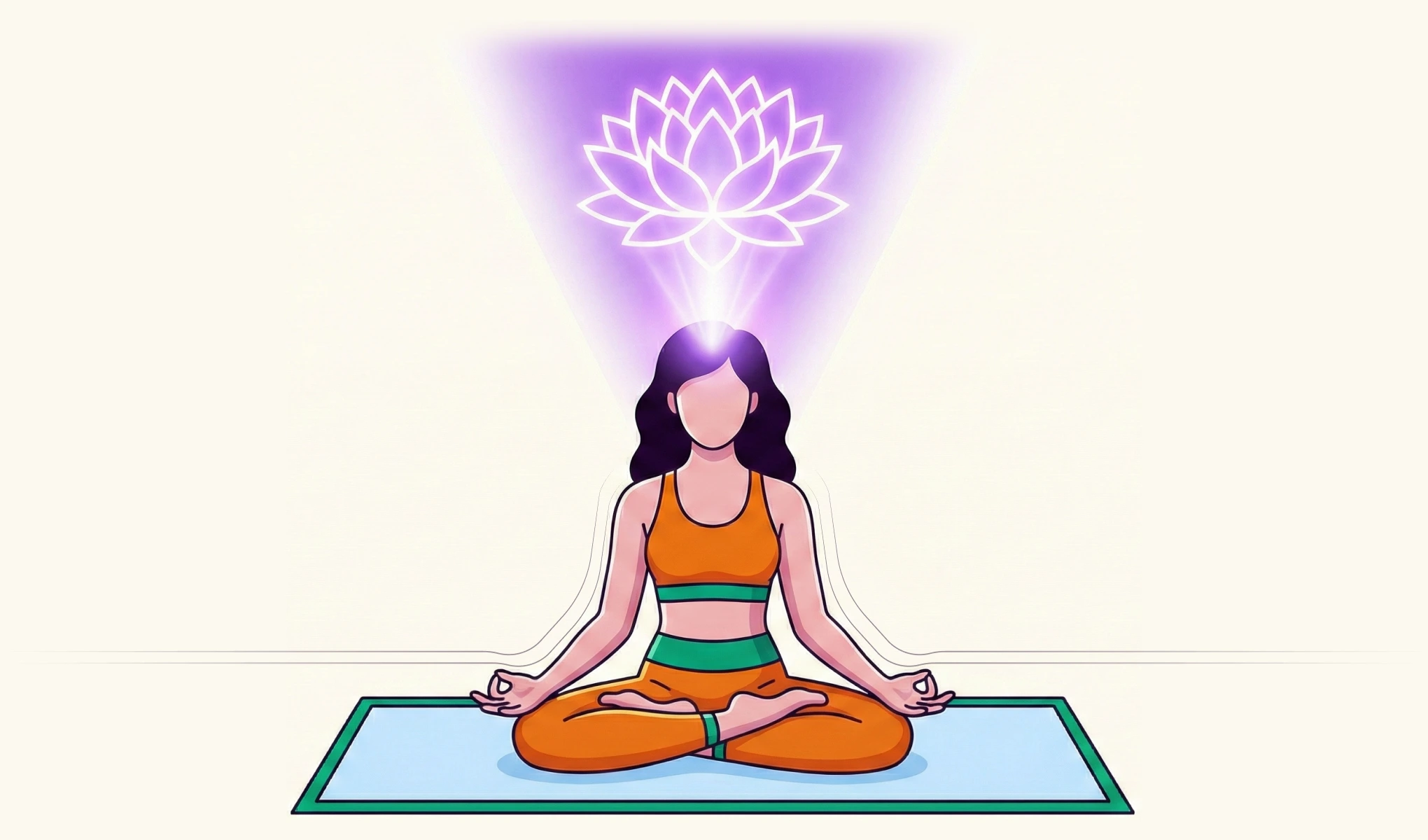
Discover the crown chakra (Sahasrara): location, meaning, blockage signs, 8 meditative poses, and consciousness practices for spiritual awakening.

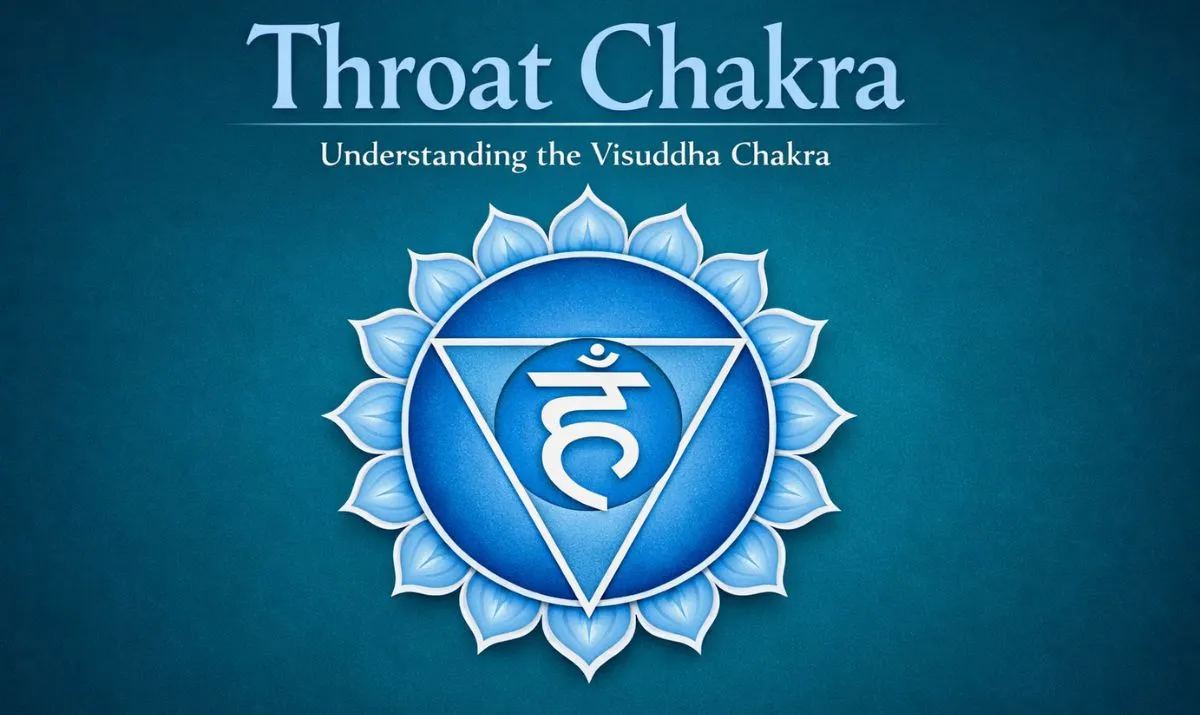
Discover the throat chakra (Vishuddha): location, blockage symptoms, 8 yoga poses, sound healing techniques, and affirmations to speak your truth clearly.
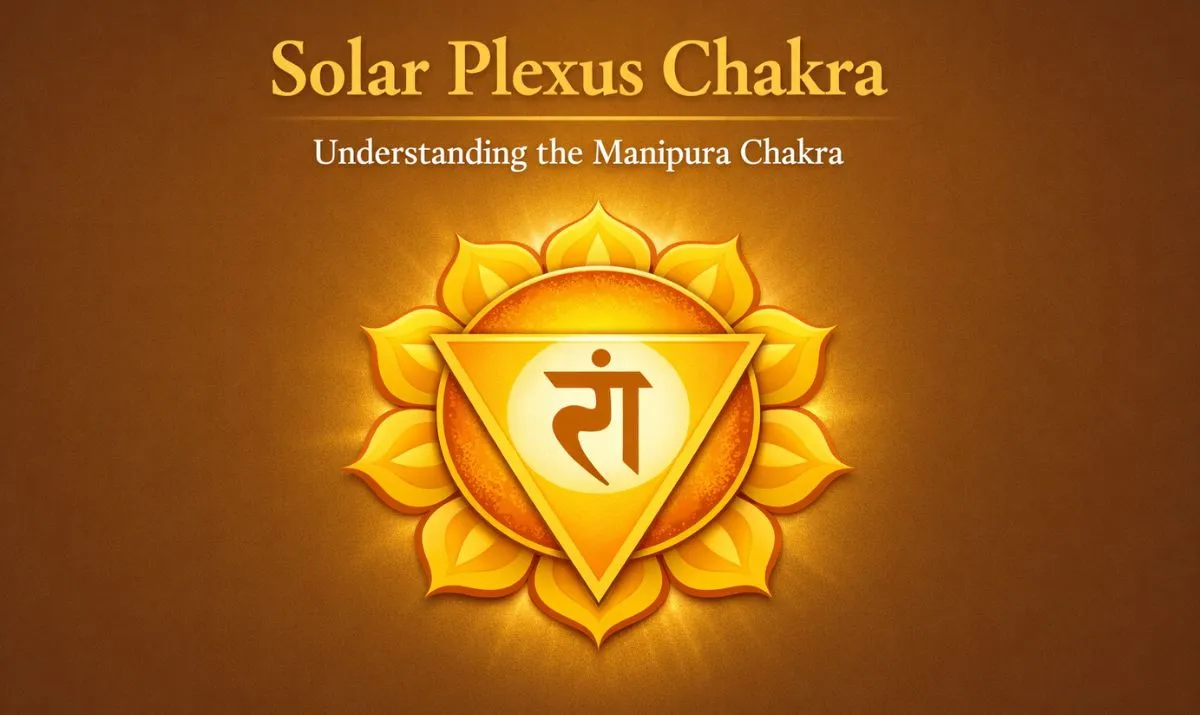
Discover the solar plexus chakra (Manipura): location, signs of imbalance, 8 powerful yoga poses, and healing techniques to reclaim your personal power and confidence.


© Copyright 2025 MyYogaTeacher Inc


