


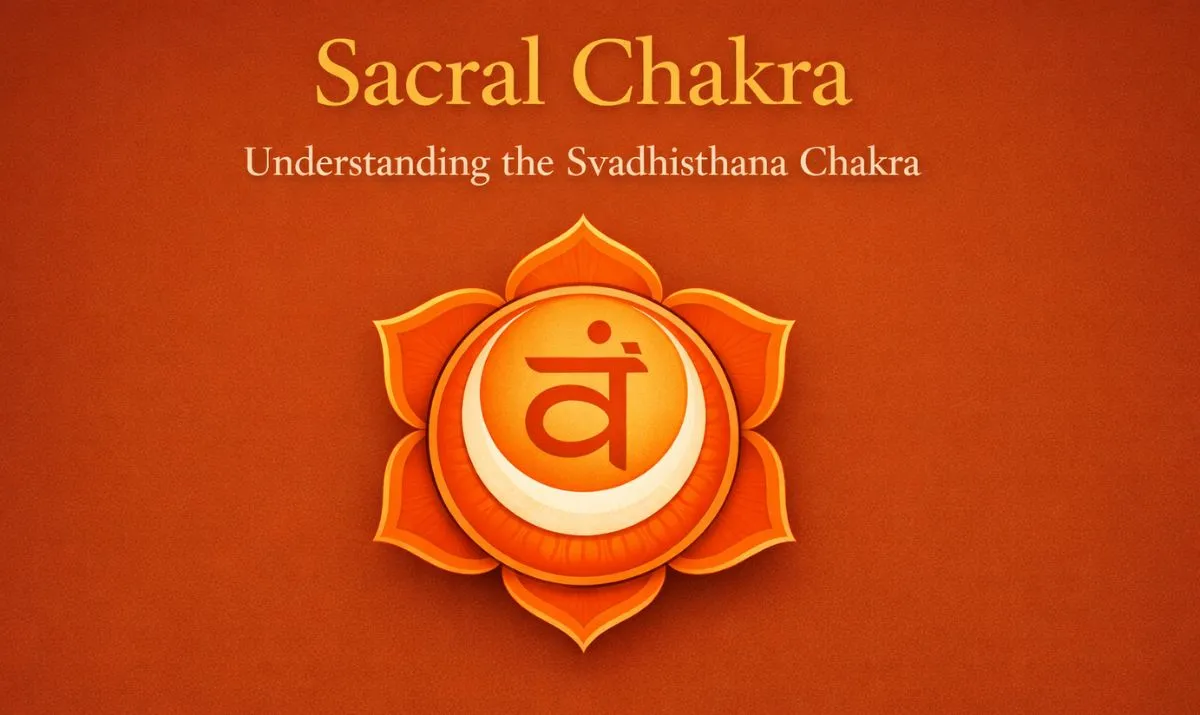
The sacral chakra, known as Svadhisthana in Sanskrit, is the body’s second energy center, located in the lower abdomen just below the navel. It governs creativity, emotions, pleasure, and sensual awareness, shaping how you experience joy, connection, and flow in everyday life. This chakra is deeply tied to your ability to feel, create, and express yourself authentically.
As the center of emotional and creative movement, the sacral chakra plays a vital role in how alive and connected you feel. When Svadhisthana is balanced, emotions move freely, creativity flows naturally, and relationships feel nourishing and dynamic. When it becomes blocked or imbalanced, you may experience creative stagnation, emotional numbness or overwhelm, guilt around pleasure, or difficulty forming intimate connections.
Working with the sacral chakra is about restoring healthy emotional and creative flow. Through mindful practices like yoga, meditation, conscious movement, and emotional awareness, you can gently reconnect with your creative energy and sense of joy.
In this guide, you’ll learn the meaning of the sacral chakra, its location, symbol, and color, the signs of imbalance, and practical tools—including yoga poses and meditation techniques—to heal and balance Svadhisthana safely and naturally.
Explore the Seven Chakras in this detailed guide!
Traditional yogic teachings describe the sacral chakra as the center of fluidity, movement, and creation. Positioned just above the root chakra, it is where stability begins to soften into expression, allowing emotions, creativity, and pleasure to arise and move freely.
Modern perspectives echo this understanding, linking the sacral chakra to emotional regulation, creativity, and adaptability. Together, these views highlight Svadhisthana’s role as the bridge between grounded stability (root chakra) and emotional and creative expression, allowing us to feel both safe and alive in our bodies.
The Sanskrit name Svadhisthana comes from Sva, meaning “self,” and Adhisthana, meaning “dwelling place” or “seat.” It translates to “one’s own place”—the inner space where your authentic self, emotions, and creative essence reside.
Its symbol reflects this fluid, expressive nature. The sacral chakra is traditionally represented by a six-petalled lotus in vibrant orange, symbolizing movement, transformation, and creative expression. At the center of the lotus sits a white crescent moon enclosed within a circle, along with the seed mantra VAM (वं).
The six petals represent emotional tendencies—anger, jealousy, cruelty, hatred, pride, and desire—that can block creative flow when left unexamined. Rather than flaws, these are experiences meant to be acknowledged and integrated with awareness.
The crescent moon symbolizes the water element, reflecting the cyclical and ever-changing nature of emotions. The surrounding circle represents the cycles of creation, pleasure, change, and renewal. The color orange embodies creativity, warmth, sensuality, and emotional vitality, while the bija mantra VAM supports emotional release and creative flow through sound vibration.
Traditionally, the sacral chakra is associated with the lower abdomen, pelvis, hips, and lower back. It is linked to the reproductive organs, bladder, kidneys, and large intestine, as well as the sense of taste.
These physical associations reflect Svadhisthana’s role in fluid balance, pleasure, and emotional processing. When the sacral chakra is balanced, the body often feels relaxed, responsive, and energized. When imbalanced, discomfort in the hips or lower back, fatigue, or issues related to fluid balance and reproductive health may arise.
While the sacral chakra originates in ancient yogic philosophy, modern science offers parallels that help contextualize its role.
Together, these perspectives suggest that the sacral chakra is not just a symbolic concept, but a reflection of how emotion, creativity, and bodily awareness work together to support a vibrant, balanced life.
| Aspect | Details |
|---|---|
| Sanskrit Name | Svadhisthana (स्वाधिष्ठान) |
| Meaning | One’s Own Place (Sva = self, Adhisthana = dwelling) |
| Location | Lower abdomen, 2–3 inches below the navel |
| Color | Orange |
| Element | Water (Jala) |
| Bija Mantra | VAM (वं) |
| Sound Frequency | 417 Hz |
| Associated Organs | Reproductive organs, bladder, kidneys, large intestine |
| Endocrine Gland | Ovaries (female), testes (male) |
| Sense | Taste |
| Life Stage | Ages 7–14 (exploration, independence) |
[inline-CTA-1]
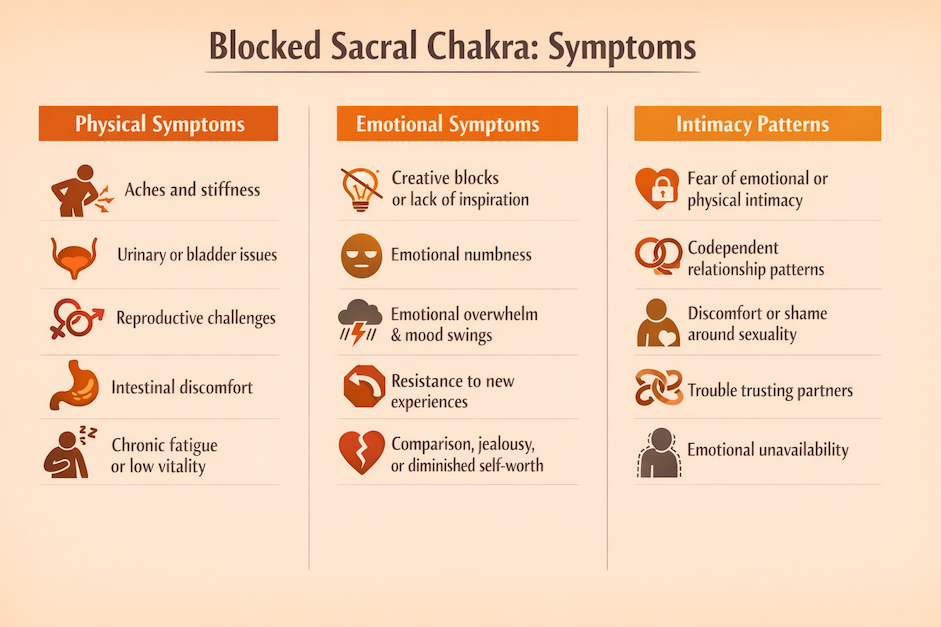
These symptoms are not signs of failure—they’re gentle signals that your creative flow needs care and attention.
Imbalances in the sacral chakra can affect the lower body and fluid systems. Common physical signs include:
These symptoms often reflect restricted flow, physically mirroring emotional or creative stagnation.
Because Svadhisthana governs emotional expression and creativity, imbalances are often felt internally first:
When the sacral chakra is blocked, emotions may feel either shut down or overpowering, making it difficult to stay balanced.
Sacral chakra imbalances can also show up in relationships and intimacy:
These patterns often stem from unresolved emotional experiences rather than personal shortcomings.
Ask yourself:
If several of these resonate, your sacral chakra may benefit from gentle balancing practices.
Yoga is one of the most effective ways to activate and balance the sacral chakra. Because Svadhisthana is located in the pelvis and hips, hip-opening and fluid, flowing movements help release stored emotional tension and restore creative energy. These poses
As you practice, move with softness rather than force. Honor the water element by allowing your breath and body to flow naturally.
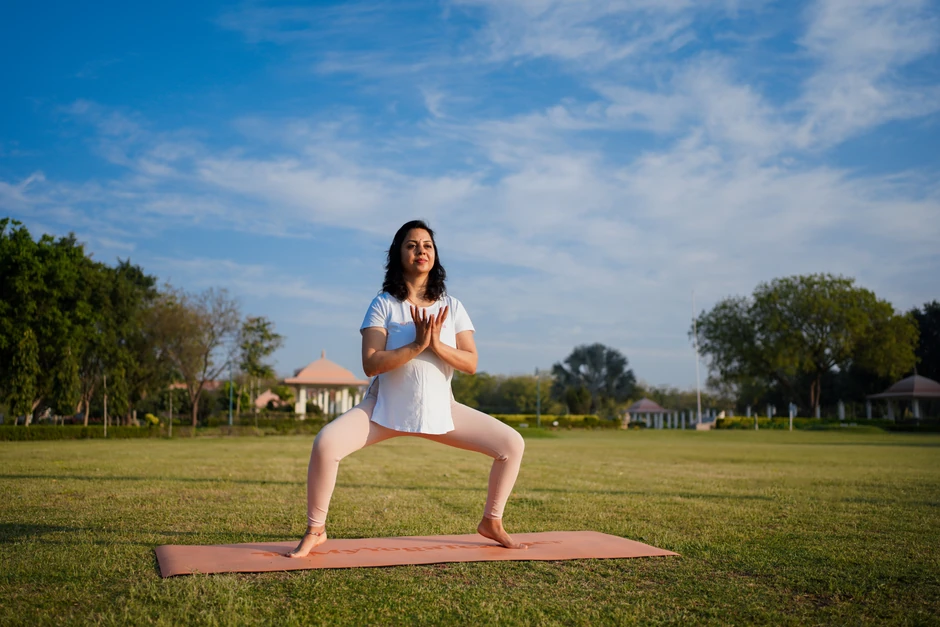
This powerful standing pose activates the pelvis while building strength and confidence. It opens the hips and inner thighs while awakening creative and feminine energy.
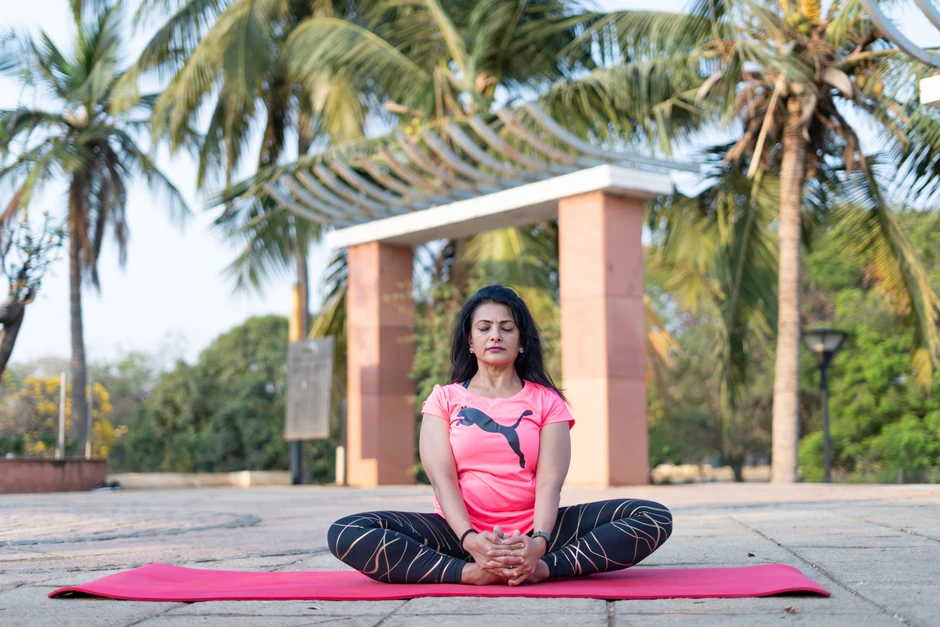
A gentle yet deeply effective pose for emotional and pelvic release. It also encourages openness in the hips and groin and helps release suppressed emotions.
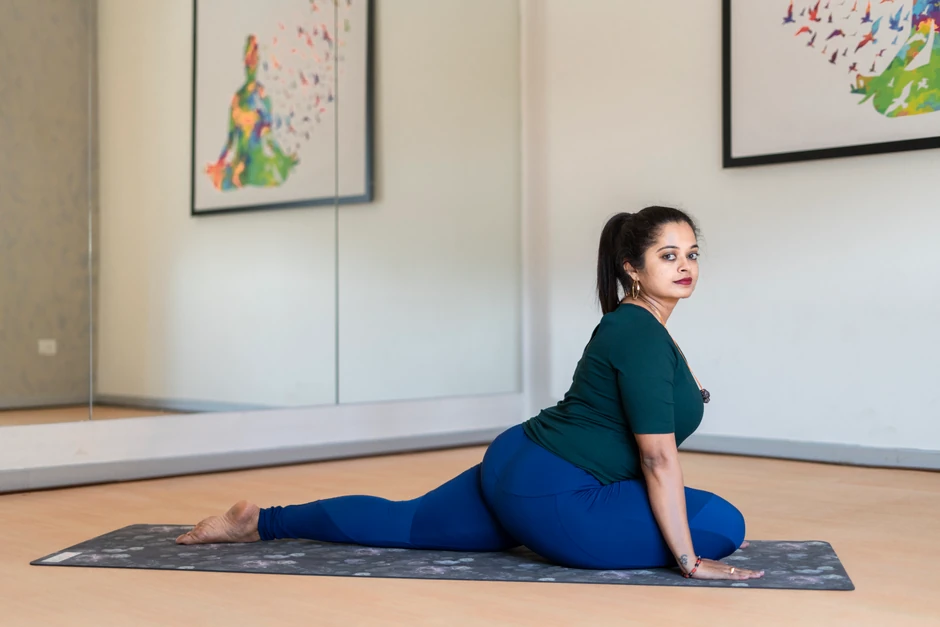
One of the deepest hip openers, Pigeon Pose often brings strong emotional release. It helps process stored emotions and tension held in the hips.
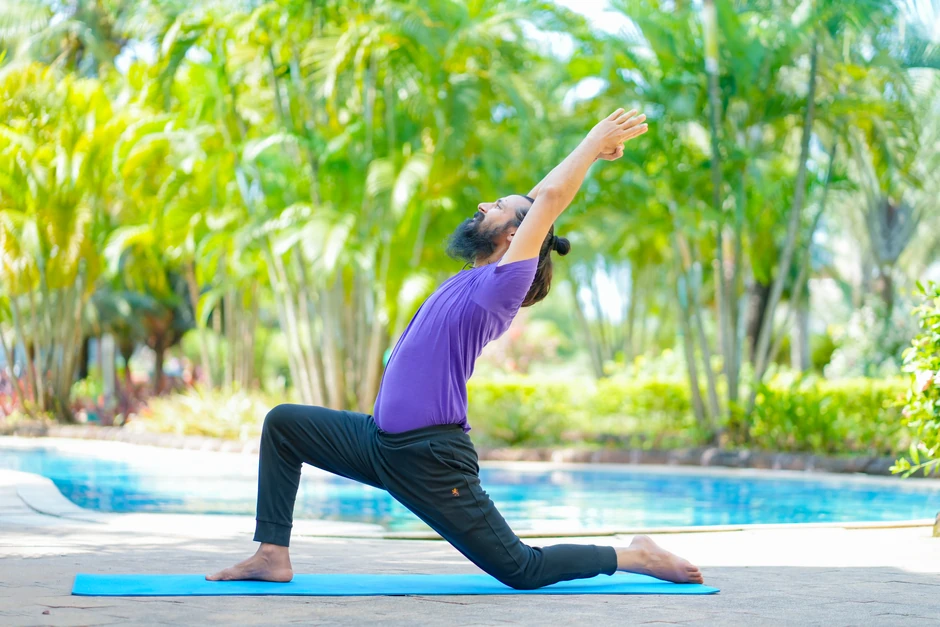
Low Lunge opens the front of the pelvis, where control and emotional holding often reside. It encourages receptivity, adaptability, and emotional openness.

A playful pose that reconnects you with joy and ease. Happy Baby releases the lower back and hips while inviting childlike curiosity and pleasure.
This pose encourages surrender and emotional release through openness.

An advanced pose for deep hip and groin opening. Frog Pose can feel intense, but it’s powerful for releasing deeply held emotional tension.
[inline-CTA-2]
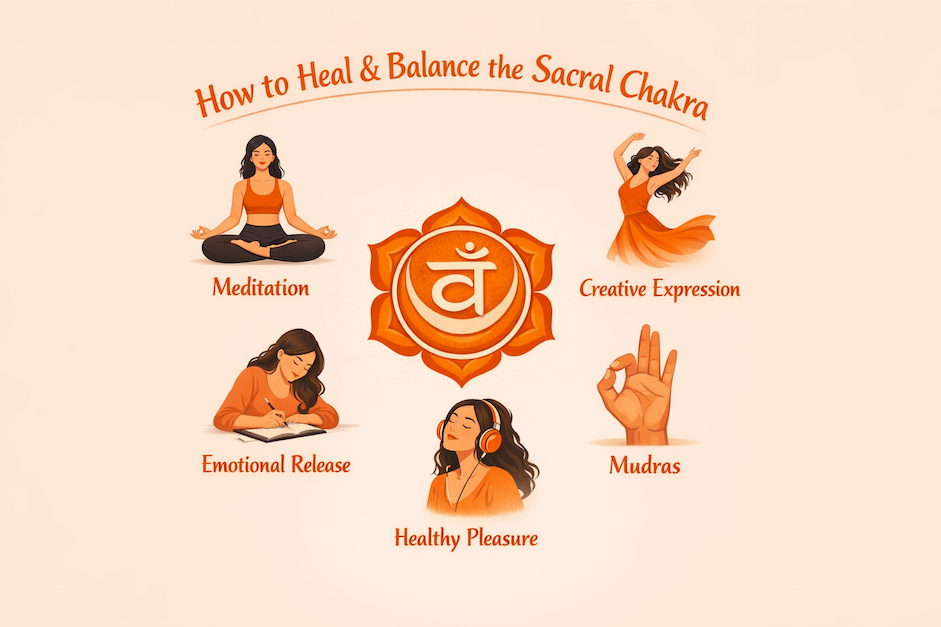
Healing the sacral chakra (Svadhisthana) is about restoring flow in your emotions, creativity, and relationship with pleasure. Sacral chakra healing invites softness, movement, and self-expression. These techniques help you reconnect with joy, process emotions gently, and release guilt or shame held in the body.
Here are effective, beginner-friendly ways to heal and balance Svadhisthana.
Meditation helps you tune into emotional and creative awareness.
Creativity is one of the most natural medicines for the sacral chakra.
Engage in free-form expression such as dancing, drawing, painting, singing, or journaling—without rules or expectations. Let the process matter more than the outcome. Even 15 minutes of creative play can help energy move and emotions release.
The goal is flow, not perfection.
Svadhisthana is governed by the water element, making physical connection with water deeply healing.
Take warm baths, swim, walk near rivers or oceans, or simply drink water mindfully. As you do, bring awareness to sensations and movement. You can also visualize flowing water during meditation to activate sacral energy.
Water reminds the body how to soften and adapt.
Mudras help direct energy through intention and hand positioning.
A commonly used mudra for the sacral chakra is Shakti Mudra, which activates creative and nurturing energy.
Learn more about Mudras for the Seven Chakras here!
[GC]
The sacral chakra stores unprocessed emotions, especially guilt and shame.
Journaling prompts such as “What brings me joy?”, “Where do I feel guilt around pleasure?”, or “What emotions am I avoiding?” can bring clarity. Emotional release may also be supported through therapy, conscious conversation, or breathwork.
Allow emotions to move rather than suppressing them.
Pleasure is not indulgence—it’s nourishment.
Mindfully enjoy experiences that bring warmth and joy: eating slowly, listening to music, feeling soft fabrics, receiving a massage, or enjoying nature. Practice saying yes to pleasure without guilt, noticing how it revitalizes your energy.
Balanced pleasure supports emotional resilience and creativity.
Explore Chakra Balancing and Meditation Techniques here!
There are certain times in life when focusing on the sacral chakra becomes especially supportive. Because Svadhisthana governs creativity, emotions, pleasure, and adaptability, it often calls for attention during periods when flow feels blocked or emotions feel overwhelming.
Healing Svadhisthana is a journey of allowing yourself to feel, create, and experience life more fully. With gentle practice, you can restore a sense of emotional fluidity and joy—moving through the world with grace and authentic expression.
When the sacral chakra is in harmony, life moves from stagnation to fluidity. Instead of feeling stuck or overwhelmed, you experience a natural emotional resonance and a renewed sense of inspiration. You gain the ability to feel deeply—experiencing joy, sadness, and vulnerability without losing your inner stability.
In this state of balance, inspiration flows without the friction of overthinking, allowing you to approach change with curiosity rather than fear. You enjoy intimacy and pleasure while maintaining clear boundaries, viewing connection as a source of genuine nourishment rather than conflict.
Ready to reconnect with your emotions and reignite your passion? Start your journey toward emotional fluidity today. Book a free 1-on-1 session with a certified MyYogaTeacher coach to work on your Sacral Chakra.

The sacral chakra controls creativity, emotional expression, pleasure, sexuality, and intimate relationships. It governs how you experience joy, adapt to change, and connect with others on an emotional and sensual level. Physically, it is associated with the reproductive organs, bladder, kidneys, and lower intestines.
The sacral chakra is located in the lower abdomen, approximately two to three inches below the navel and above the pubic bone. Along the spine, it corresponds to the lower lumbar region and is often felt in the pelvis and hips.
The sacral chakra is associated with the color orange. Orange represents creativity, warmth, vitality, and emotional flow. It blends red’s life force with yellow’s joy, symbolizing pleasure, movement, and expressive energy.
Healing the sacral chakra varies from person to person. With consistent practices such as yoga, meditation, and creative expression, some people notice subtle shifts within two to three weeks. Deeper emotional or trauma-related imbalances may take one to three months or longer, especially when approached gently and with support.
For a safe and effective practice, book a free 1-on-1 session today!
When the sacral chakra opens and balances, you may experience increased creativity, emotional freedom, and comfort with pleasure. Joy and inspiration feel more accessible, emotions flow more naturally, and relationships often feel more connected and fulfilling. Guilt and shame tend to soften, making space for self-acceptance.
Yes, an overactive sacral chakra can lead to emotional volatility, poor boundaries, compulsive pleasure-seeking, or difficulty with moderation. Balance is restored by grounding practices, healthy boundaries, and strengthening the root chakra alongside sacral work.






Receive personalized guidance tailored to your unique fitness goals, live with a dedicated coach—no credit card required.

Discover the crown chakra (Sahasrara): location, meaning, blockage signs, 8 meditative poses, and consciousness practices for spiritual awakening.

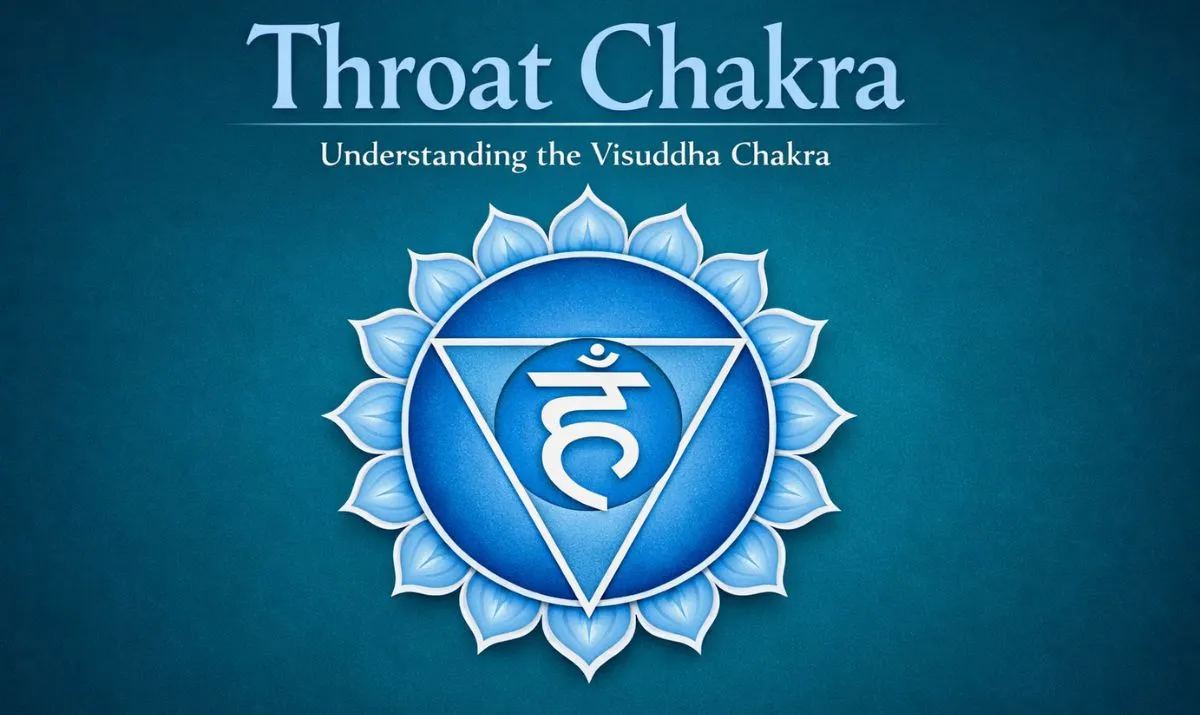
Discover the throat chakra (Vishuddha): location, blockage symptoms, 8 yoga poses, sound healing techniques, and affirmations to speak your truth clearly.
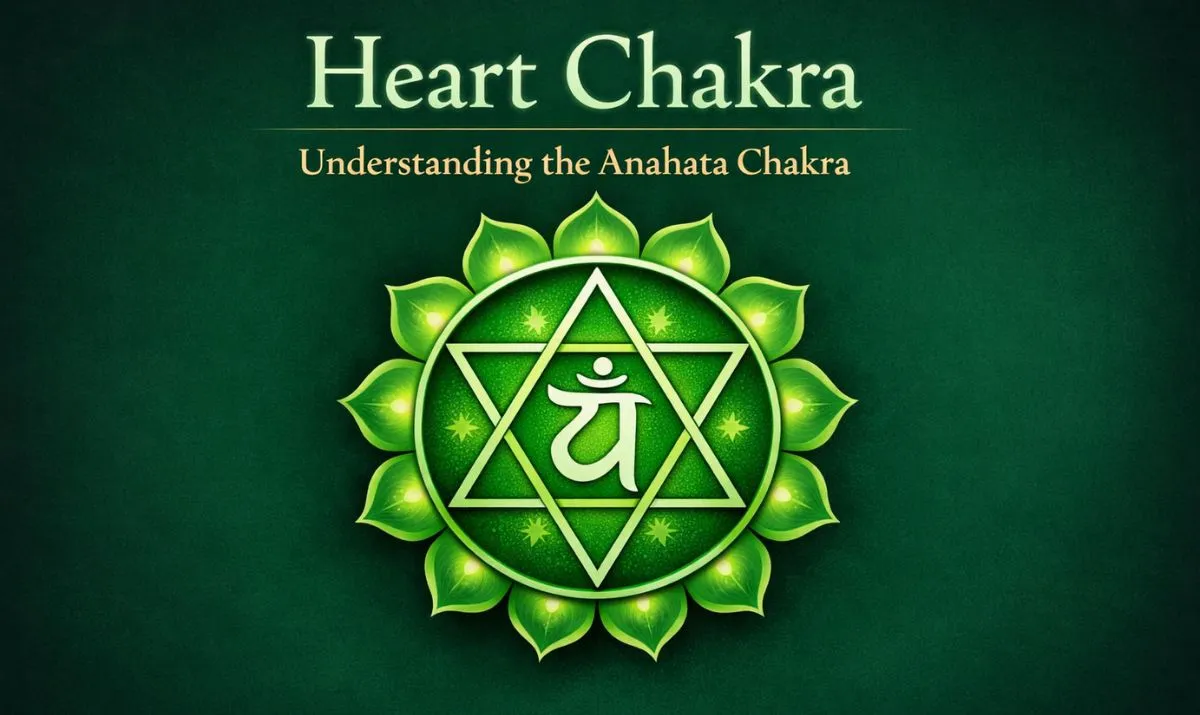
Discover the heart chakra (Anahata): location, signs of blockage, heart-opening yoga poses, affirmations, and healing techniques.


© Copyright 2025 MyYogaTeacher Inc


