


%20(3).webp)
Tantra yoga is an ancient spiritual practice from India that uses yoga poses, breathwork, meditation, mantra, and visualization to awaken and work with inner energy, known as shakti. The word tantra means “to weave,” reflecting the idea of integrating body, mind, and awareness for personal and spiritual growth, rather than focusing only on physical fitness.
Continue reading to explore what tantra yoga really is, clear up common misconceptions, and learn how to approach this ancient practice safely and authentically.
If you’ve heard of tantra yoga before, it was likely mentioned—directly or indirectly—in connection with sex. This association is so common that many beginners feel unsure or even uncomfortable exploring this form of yoga.
In authentic yogic tradition, however, tantra yoga is not about sex. While some tantric practices explore intimacy and relationships—often referred to as Red Tantra—they’re only a small and specialized part of a much larger spiritual system. Most tantra yoga, sometimes called White Tantra, is a solo practice focused on energy awareness, meditation, breathwork, and conscious movement.
Rather than rejecting the body or physical experience, tantra yoga teaches awareness through the body. The practice encourages balance, presence, and inner growth by working with breath, posture, and attention instead of performance or stimulation.
In short, Western culture focused on the most sensational aspect of tantra and overlooked its deeper purpose. Authentic tantra yoga is a grounded, meditative practice that emphasizes awareness, integration, and personal transformation.
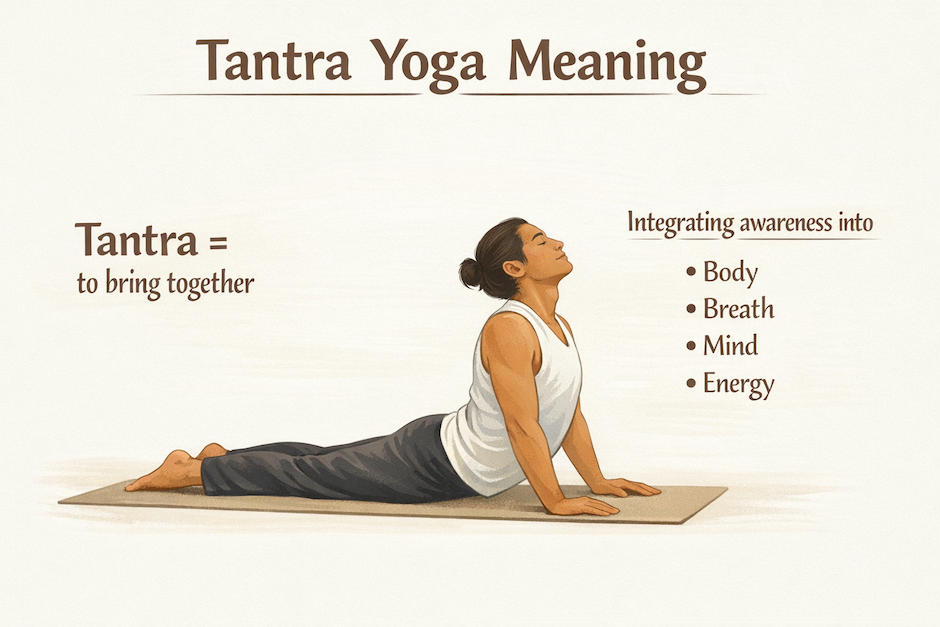
To understand tantra yoga more clearly, it helps to begin with the word tantra. In Sanskrit, tantra means “to weave” or “to bring together.” In simple terms, it refers to integrating awareness into everyday experience—your body, breath, mind, and energy—rather than separating spiritual practice from daily life.
Tantra yoga developed in India between the 5th and 12th centuries CE as part of a wider tantric tradition that shaped yoga, meditation, and spiritual philosophy. Early yogic texts, such as the Shiva Samhita, describe practices that use the body as a means for awakening awareness, not something to ignore or overcome.
A central idea in tantra yoga is that the body itself is sacred. Instead of seeking growth by withdrawing from physical life, tantra teaches that transformation happens through mindful breathing, posture, focused attention, and subtle energy awareness. The goal is not escape, but awakening—recognizing and activating the inner potential that already exists within you.
[inline-CTA-1]
Tantra yoga is based on the idea that the body holds inner energy that can be gently awakened through mindful practice. Instead of treating energy as something mysterious or abstract, tantra uses posture, breathing, and focused attention to build awareness from within.
Rather than trying to force results, it encourages you to slow down, listen to your body, and allow changes to happen naturally. The practice is calm and meditative, which makes it especially suitable for beginners looking for a safe and authentic introduction to energy-based yoga.
In tantra yoga, Shakti refers to the life energy that supports movement, breath, and awareness. This energy is believed to rest quietly at the base of the spine and is often called kundalini when it is dormant.
For beginners, it helps to think of kundalini as your body’s untapped energy and awareness, rather than something mysterious. Tantra yoga does not try to force this energy to rise. Instead, it uses steady poses, relaxed breathing, and focused attention to allow energy to awaken naturally and move gently through the spine and energy centers.
Because this approach is slow and respectful, traditional tantra yoga is considered a safe and sustainable way to explore energy-based practices.
Tantra yoga uses familiar yoga postures, but they are typically held for longer periods—anywhere from 2 to 10 minutes—while maintaining relaxed awareness. These extended holds allow sensations to surface and energy to settle, rather than rushing from one shape to another.
Breathing in tantra yoga is calm and natural. Instead of fast or forceful techniques, the breath is used to support alignment, focus attention, and gently guide energy through the body.
Mental focus plays a central role. Practitioners may visualize energy moving along the spine or resting in specific areas of the body. Over time, this builds a strong mind–body connection and a deeper sense of inner stillness.
[GC]
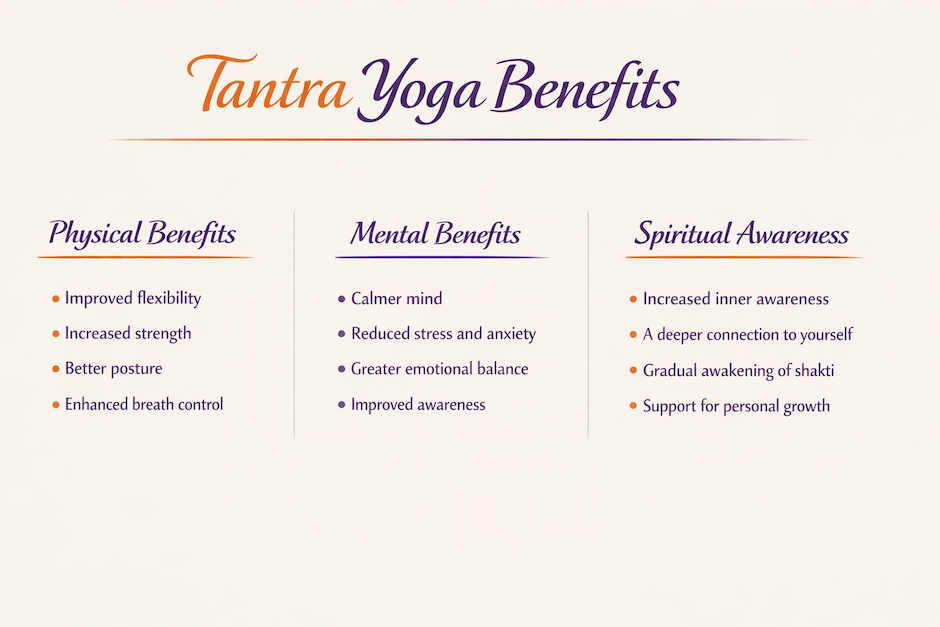
Tantra yoga offers benefits that go beyond flexibility or fitness. Because it works with awareness, breath, and subtle energy, its effects are often experienced physically, mentally, and emotionally.
Unlike fast-paced yoga styles, tantra yoga encourages quality of awareness over quantity of movement. Many beginners find that even short, consistent practice sessions bring a noticeable sense of clarity and balance.
Unlike fast-moving yoga styles, tantra yoga poses are practiced slowly and held for longer periods. The goal isn’t to stretch deeper or build intensity—it’s to stay present, observe sensations, and become aware of how energy moves through the body.
Below are five beginner-friendly tantra yoga poses, commonly used in traditional practice:
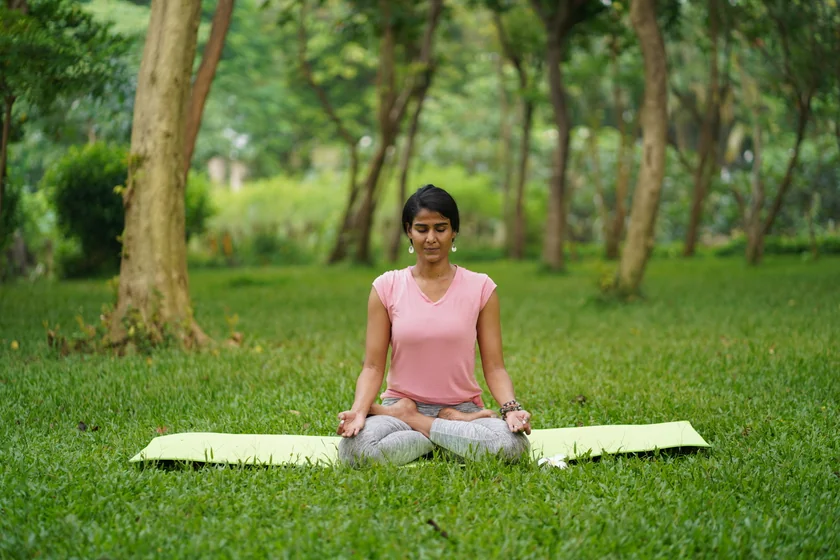
Padmasana is a seated posture traditionally used for meditation and breath awareness. In tantra yoga, it helps stabilize the body and calm the mind, allowing attention to turn inward.
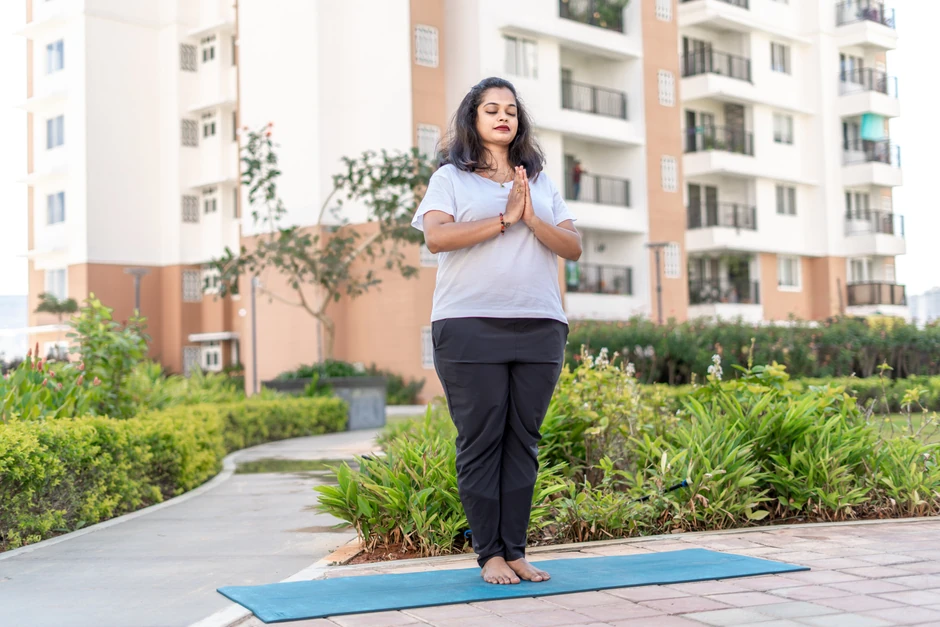
While it may look simple, Mountain Pose is a powerful awareness practice in tantra yoga. Standing still, aligned, and attentive helps you feel how energy flows through the entire body.
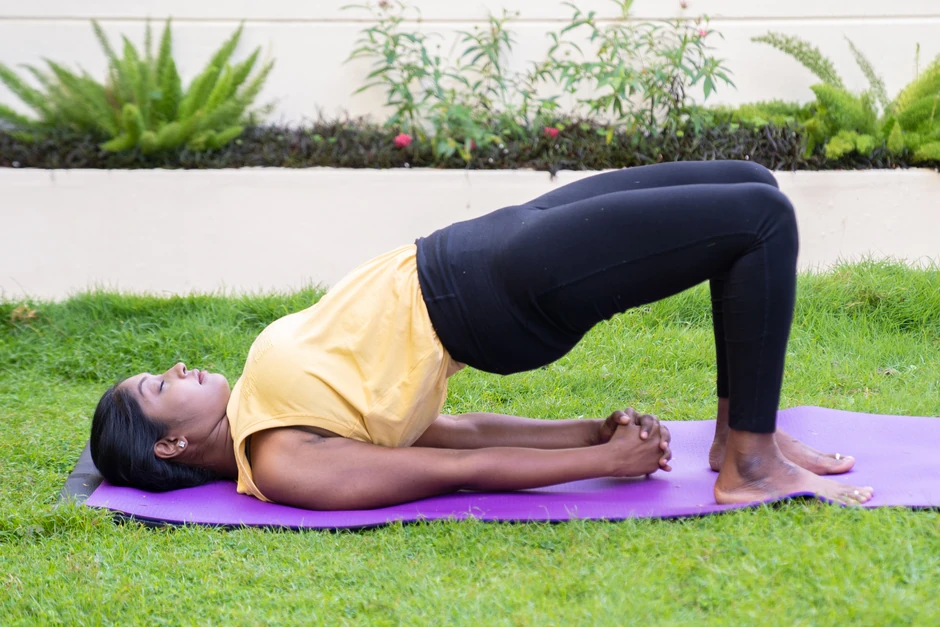
A gentle backbend that opens the chest and front body while keeping you supported on the ground. In tantra yoga, it’s often used to activate and circulate energy rather than push flexibility.
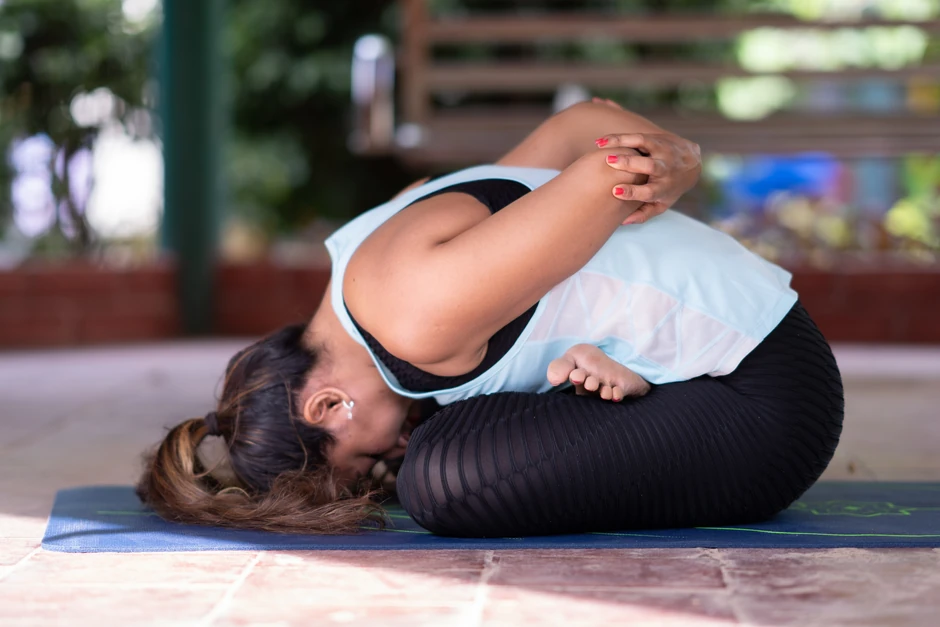
This forward fold encourages grounding and introspection. In tantra yoga, it helps quiet mental activity and brings awareness inward.
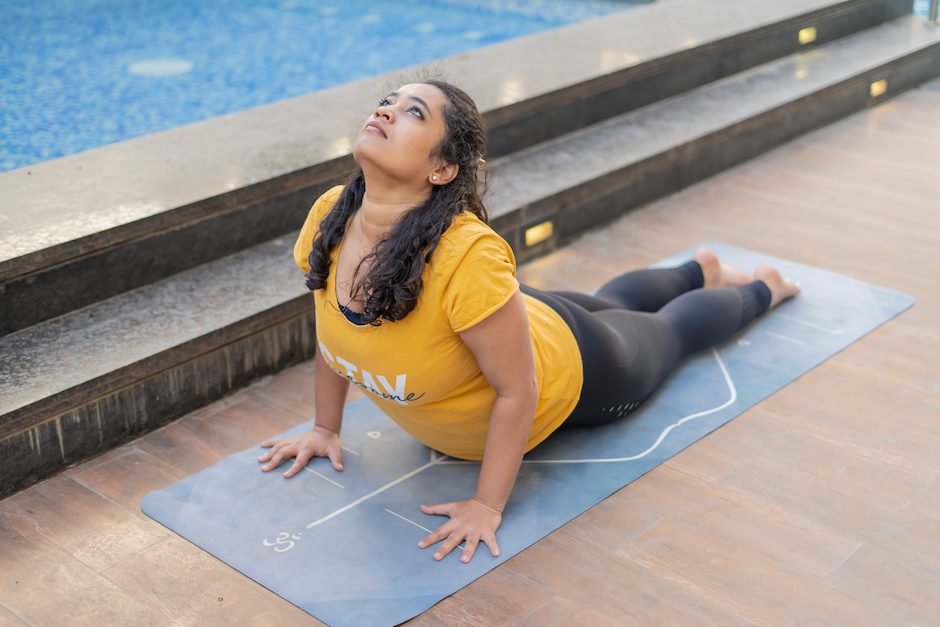
In tantra yoga, Cobra Pose is practiced softly, emphasizing spinal awareness rather than depth or strength.
[inline-CTA-2]
Tantra yoga and Kundalini yoga are often confused—and understandably so. They both work with energy, chakras, breath, and awareness. The key difference is this: Tantra yoga is the broader spiritual framework, while Kundalini yoga is one specific method within that framework.
If you’re new to energy-based yoga, understanding this distinction can help you choose a practice that feels aligned, safe, and sustainable.
| Aspect | Tantra Yoga | Kundalini Yoga |
|---|---|---|
| Scope | Broad spiritual tradition | Specific system focused on kundalini |
| Approach | Gentle, meditative, gradual | Dynamic, structured, intense |
| Practice Style | Held poses, stillness, awareness | Kriyas, repetitive movements |
| Energy Activation | Allows energy to awaken naturally | Actively stimulates energy |
| Breathwork | Calm, natural breathing | Strong pranayama (e.g., Breath of Fire) |
| Mantra | Optional and subtle | Central and often chanted |
| Pace | Slow and contemplative | Fast and energizing |
| Best For | Beginners seeking gradual depth | Practitioners wanting rapid intensity |
A helpful way to remember this is:
Tantra is the philosophy; Kundalini yoga is one powerful technique within it. For beginners, tantra yoga often feels more accessible because it emphasizes awareness over effort and integration over intensity. Kundalini yoga, while effective, is usually better approached once a foundation of body awareness and energetic sensitivity has been established.
If you’re new to tantra yoga, the key is to start slowly and learn safely. Focus on simple, solo practices like gentle poses, relaxed breathing, and short meditation—without rushing results or pushing the body. Awareness matters more than performance, and consistency matters more than intensity.
Learning from experienced teachers is especially important in tantra yoga.
MyYogaTeacher connects you with certified Indian yoga instructors who guide beginners through authentic, energy-based practices in a safe and supportive way.
Book your free 1-on-1 session and begin your tantra yoga journey with confidence and expert guidance.

No. Sexual practices (often called Red Tantra) are a very small and advanced branch of tantra. Most tantra yoga is White Tantra, a solo spiritual practice that uses poses, breathwork, meditation, and awareness to work with inner energy. The sexual association is largely a Western misunderstanding of a much broader tradition.
Tantra yoga places more emphasis on energy awareness and inner experience. Poses are held longer, attention is turned inward, and practices often include visualization, mantra, and breathwork. The goal isn’t fitness alone, but integration of body, mind, and awareness.
To learn Tantra Yoga the right way, book a free 1-on-1 session today!
Yes—when learned with proper guidance. Beginners should start with gentle practices and avoid intense energy techniques. Qualified instruction helps ensure the practice remains grounding and supportive rather than overwhelming.
Beginners typically start with 60–90 seconds to 2 minutes per pose, gradually increasing to 3–5 minutes as comfort and awareness grow. Longer holds allow energy and attention to settle naturally.
Yes. Tantra yoga can be learned online when taught by experienced instructors who understand traditional practices and adapt them safely for beginners. Personalized guidance—especially in 1-on-1 sessions—helps ensure correct pacing and understanding.




Receive personalized guidance tailored to your unique fitness goals, live with a dedicated coach—no credit card required.



© Copyright 2025 MyYogaTeacher Inc


