


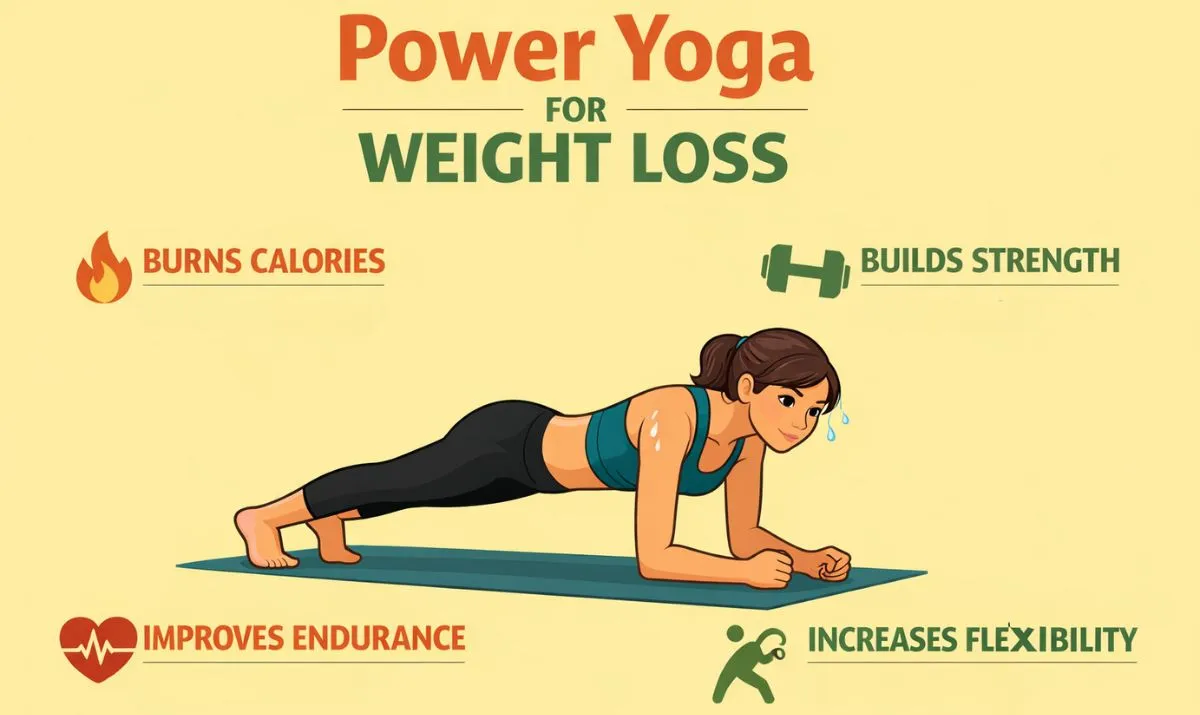
Yes, power yoga can support weight management when practiced consistently.
Power yoga is a vigorous style of yoga that combines continuous movement with strength-based postures, keeping the heart rate elevated throughout the session. Studies show that active yoga styles can burn approximately 400–600 calories per hour, placing power yoga in a similar range to moderate-intensity cardio, while also supporting strength, flexibility, and metabolic health.
Unlike slower or restorative yoga styles, power yoga emphasizes full-body engagement through poses that function like bodyweight training. A single session integrates muscular effort, mobility, and controlled breathing, which is why power yoga is often viewed as a practical alternative to traditional gym workouts—especially for those seeking a low-impact yet physically demanding routine.
Because power yoga is adaptable to different fitness levels and energy capacities, it supports consistency over time. When practiced 3–5 times per week, ideally with proper guidance and balanced nutrition, it offers a sustainable approach to staying active without relying on complex equipment or high-impact exercise.
Continue reading to learn how power yoga supports weight management, how many calories it can burn, and what to expect from a power yoga session.
To learn more about power yoga, read this detailed guide!
Power yoga supports weight management through a combination of physical, metabolic, and behavioral mechanisms. Rather than relying on a single factor, its effectiveness comes from how these elements work together when practiced consistently.
Power yoga involves continuous movement, flowing sequences, and minimal rest between poses. This keeps the heart rate elevated for extended periods. Vigorous yoga styles, such as power yoga, can result in moderate to high energy expenditure, comparable to brisk walking or light jogging, depending on intensity and duration. This makes power yoga more metabolically demanding than slower, restorative yoga styles.
Poses commonly used in power yoga—such as Plank, Chaturanga, Chair Pose, and Warrior variations—require sustained engagement of the legs, core, shoulders, and back. Regularly activating these large muscle groups supports muscular strength and endurance, which play a role in overall metabolic health and long-term energy balance.
Multiple studies on yoga and physical activity suggest that consistent practice may help improve insulin sensitivity, glucose regulation, and cardiovascular markers. While power yoga is not a medical treatment, its blend of strength and aerobic demand supports metabolic processes linked to healthy weight maintenance.
Chronic stress is associated with disrupted eating patterns and metabolic imbalance. Yoga-based practices, including more active styles, have been shown to support stress reduction and nervous system regulation, which may indirectly influence weight-related behaviors such as emotional eating or inconsistent routines.
Unlike many high-impact workouts, power yoga emphasizes body awareness and controlled breathing. This mind–body connection often carries over into daily habits, supporting greater consistency with movement, recovery, and lifestyle choices—a key factor in sustainable fitness routines.
[inline-CTA-1]
The number of calories burned during a power yoga session varies based on intensity, duration, body weight, and experience level. On average, active or vigorous yoga styles estimate an energy expenditure of approximately 400–600 calories per hour when practiced at a steady, challenging pace.
Heavier individuals tend to burn more calories due to higher energy demands, while experienced practitioners may increase calorie expenditure by holding poses longer, transitioning smoothly, and maintaining muscular engagement throughout the session. Class structure also matters—sessions with continuous flow, repeated sun salutations, and longer strength holds typically require more energy than slower-paced formats.
Calorie burn estimates are often calculated using MET values (Metabolic Equivalent of Task). Power yoga is generally assigned a MET value of around 4.0–4.5, placing it in the moderate-to-vigorous physical activity range. While these numbers provide useful benchmarks, they don’t capture the full picture. Power yoga also involves strength-building and mobility work, which contribute to overall energy balance beyond the session itself.
Explore Power Yoga Poses for Weight Loss, Strength, and Flexibility here!
Compared to gentler yoga styles, power yoga consistently results in higher energy expenditure and is often comparable to other moderate-intensity workouts—without the repetitive impact associated with many gym-based exercises.
For general fitness and weight management support, power yoga is commonly practiced 3–5 times per week, with sessions lasting 45–60 minutes. This frequency provides enough stimulus to build strength and improve cardiovascular fitness while allowing time for recovery between sessions.
Beginners often benefit from starting with 2–3 sessions per week, focusing on proper alignment and controlled movement. As strength and familiarity increase, additional sessions can be added gradually. More experienced practitioners may practice 4–5 times weekly, often balancing power yoga with gentler or restorative sessions to support recovery.
Consistency matters more than intensity. Practicing power yoga regularly at a sustainable pace is more effective than infrequent, overly strenuous sessions. Guidance from a qualified instructor can also help ensure appropriate intensity, reduce injury risk, and support steady progress over time.
[GC]
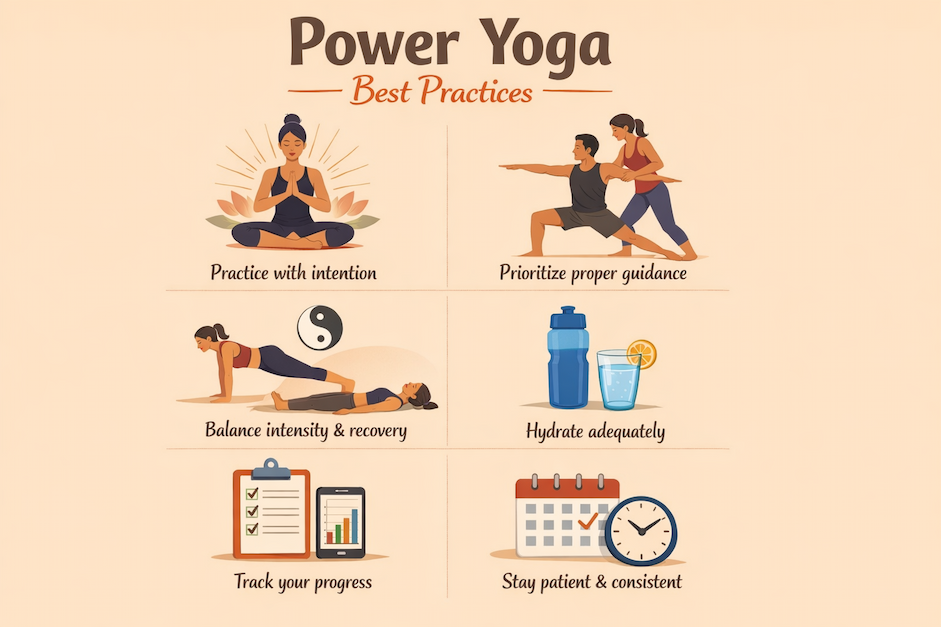
To get the most out of power yoga, consistency and approach matter more than pushing intensity every session. These best practices help support sustainable progress and long-term adherence.
These habits make power yoga a practical, long-term alternative to gym-based routines rather than a short-term fitness trend.
[inline-CTA-2]
Power yoga offers a balanced approach to fitness by combining strength, mobility, and continuous movement into a single, equipment-free practice. Its adaptability and low-impact nature make it a sustainable alternative to traditional gym workouts, especially for those seeking consistency without excessive strain. When practiced regularly and with proper guidance, power yoga supports overall conditioning, metabolic health, and long-term movement habits rather than quick fixes.

For many people, power yoga can serve as a primary form of exercise. It combines strength training, mobility, and moderate cardiovascular activity in one session. Some practitioners may choose to complement it with walking or light strength training, but power yoga alone can support overall fitness when practiced consistently.
Most people notice improvements in strength, mobility, balance, and stamina within a few weeks of regular practice. Broader conditioning benefits develop over time and depend on consistency, intensity, and recovery.
For the most effective results, book a free 1-on-1 session today!
Power yoga and gym workouts serve similar fitness goals through different approaches. Power yoga offers full-body conditioning with minimal equipment and lower impact, while gym workouts allow for targeted resistance training. Many people prefer power yoga for its convenience and integrated mind–body focus.
Power yoga supports overall metabolic health, stress regulation, and muscular engagement. While no exercise targets fat loss in a single area, consistent movement and healthy lifestyle habits contribute to overall body composition changes.
Yes, when appropriately guided. Beginners benefit from modified poses, slower transitions, and instructor feedback to build strength and confidence safely.






Receive personalized guidance tailored to your unique fitness goals, live with a dedicated coach—no credit card required.

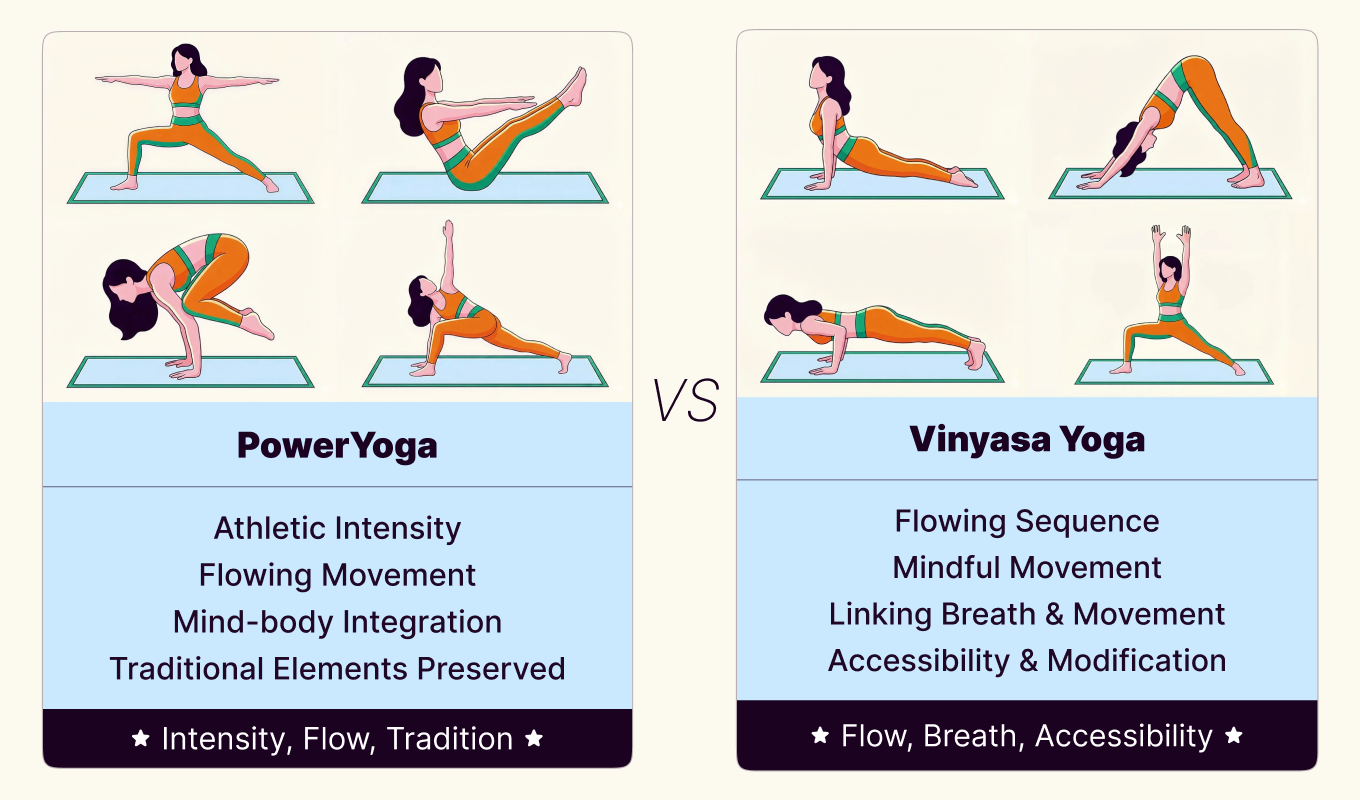
Power Yoga vs Vinyasa yoga: Compare pace, intensity, calories burned & benefits. Discover which dynamic yoga style matches your fitness goals. Start today!

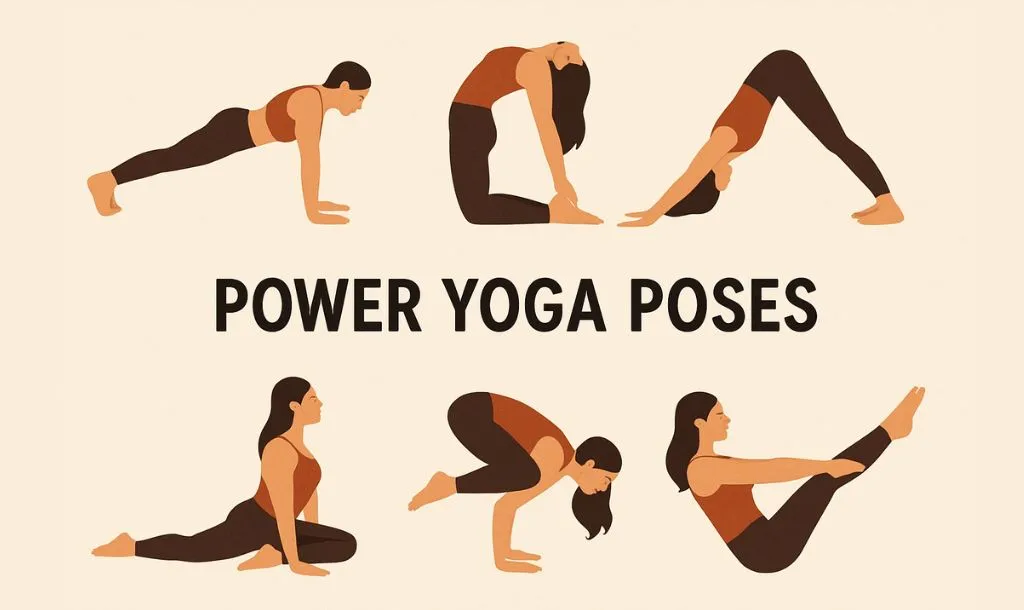
Master Power Yoga poses for all levels. Learn beginner to advanced asanas, weight loss sequences, and safety tips with expert guidance. Start today!


© Copyright 2025 MyYogaTeacher Inc


