


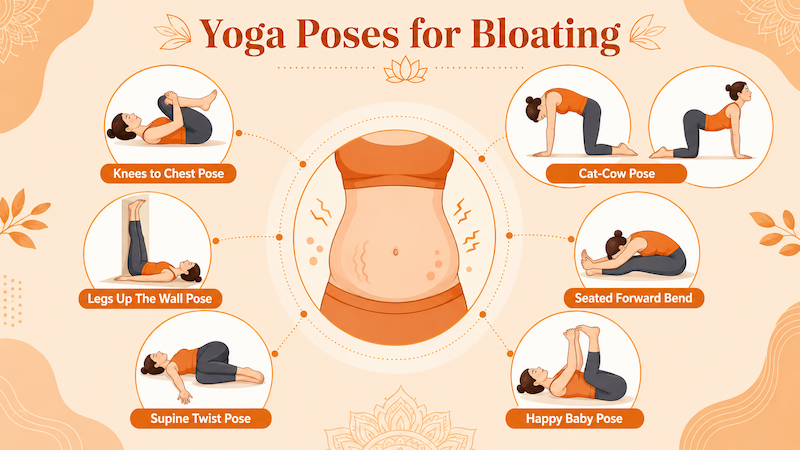
Bloating can leave your stomach feeling tight, heavy, and uncomfortable, sometimes even after a seemingly normal meal. It may be linked to trapped gas, constipation, digestive changes, or other underlying factors, and the right approach depends on what is causing it.
Yoga for bloating offers a gentle way to get the body moving when lying still does not feel helpful. Certain stretches, twists, and knees-to-chest positions may encourage movement through the digestive tract while also helping the body relax.
In this guide, you’ll learn eight beginner-friendly yoga poses for gas and bloating, when to practise them, and when ongoing symptoms may need medical attention. Yoga can support relief, but it is not a treatment for persistent or unexplained bloating.
Bloating commonly happens when gas builds up in the digestive tract or the abdomen feels unusually full or swollen. It may be linked to swallowing air, eating certain carbohydrates that produce gas during digestion, constipation, food intolerances, or conditions such as irritable bowel syndrome. Stress can also affect digestion and make bloating feel more uncomfortable.
Gentle yoga for gas and bloating may offer temporary relief by encouraging comfortable movement and helping the body shift into a calmer state. Certain poses bring the knees toward the abdomen, create mild compression, or gently rotate the torso, which may help trapped gas move through the digestive tract.
For a broader look at how movement, stress, and digestion are connected, explore our guide to yoga for gut health.
Yoga may help ease bloating through a combination of gentle movement, abdominal pressure, and slower breathing. While it does not treat the underlying cause, certain poses may help trapped gas move more comfortably and reduce the tension that can make bloating feel worse. The autonomic nervous system also plays a role in digestion, and slow, mindful breathing can encourage the body’s relaxation response.
These effects are usually temporary, but they can make mild gas and bloating feel more manageable.
[inline-CTA-1]
These gentle yoga poses for bloating combine abdominal compression, spinal movement, twists, and relaxation. Move slowly, avoid forcing the stomach, and stop if any position increases pain or discomfort.
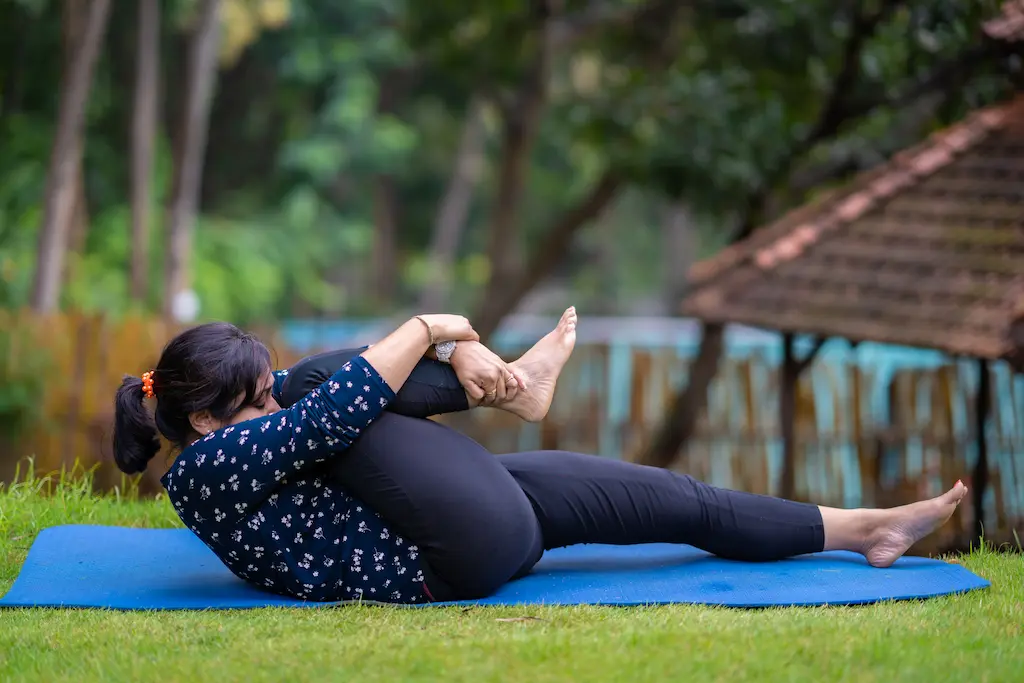
Wind-Relieving Pose is one of the most commonly recommended yoga poses for gas and bloating because it brings gentle pressure to the abdomen.
The knees-to-chest position may help trapped gas move while also releasing tension in the lower back.
.webp)
Child’s Pose creates a mild fold through the abdomen while allowing the body to relax.
Widening the knees can make the pose more comfortable when your stomach feels full or sensitive.
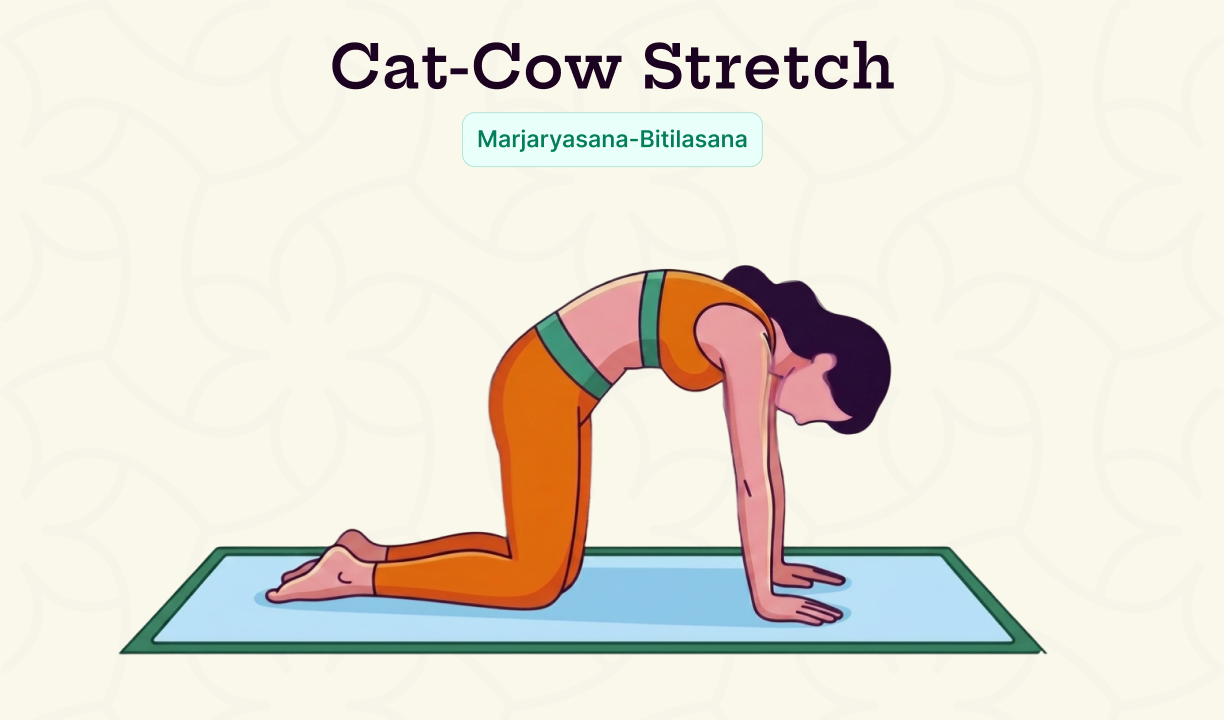
Cat-Cow gently moves the spine and abdomen, making it a useful option when bloating is accompanied by stiffness.
This rhythmic movement may help reduce abdominal tightness and encourage comfortable movement through the torso.
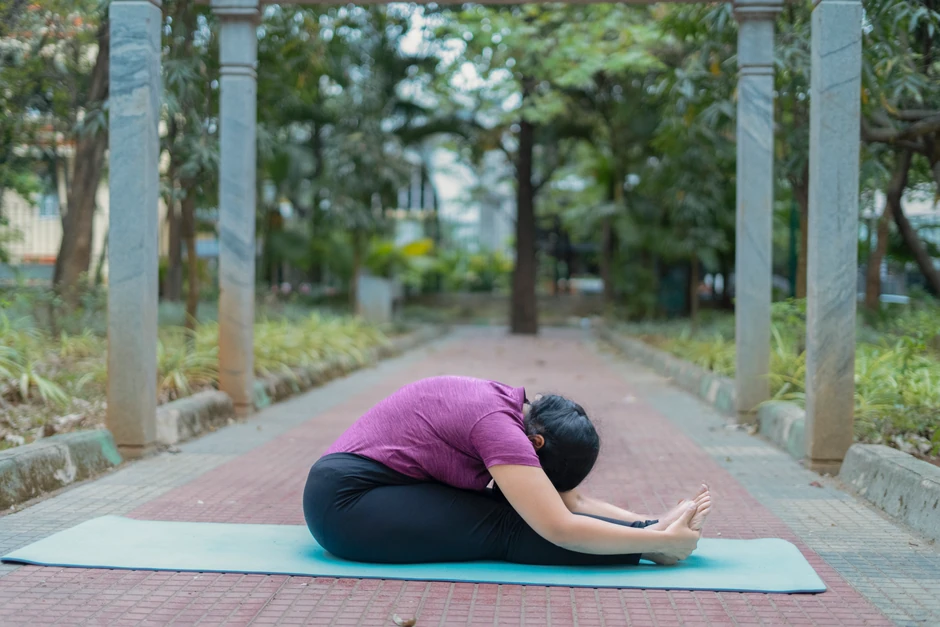
A gentle Seated Forward Fold creates light pressure through the abdomen and stretches the back of the body.
Avoid pulling yourself deeper into the pose. The goal is mild compression, not an intense stretch.
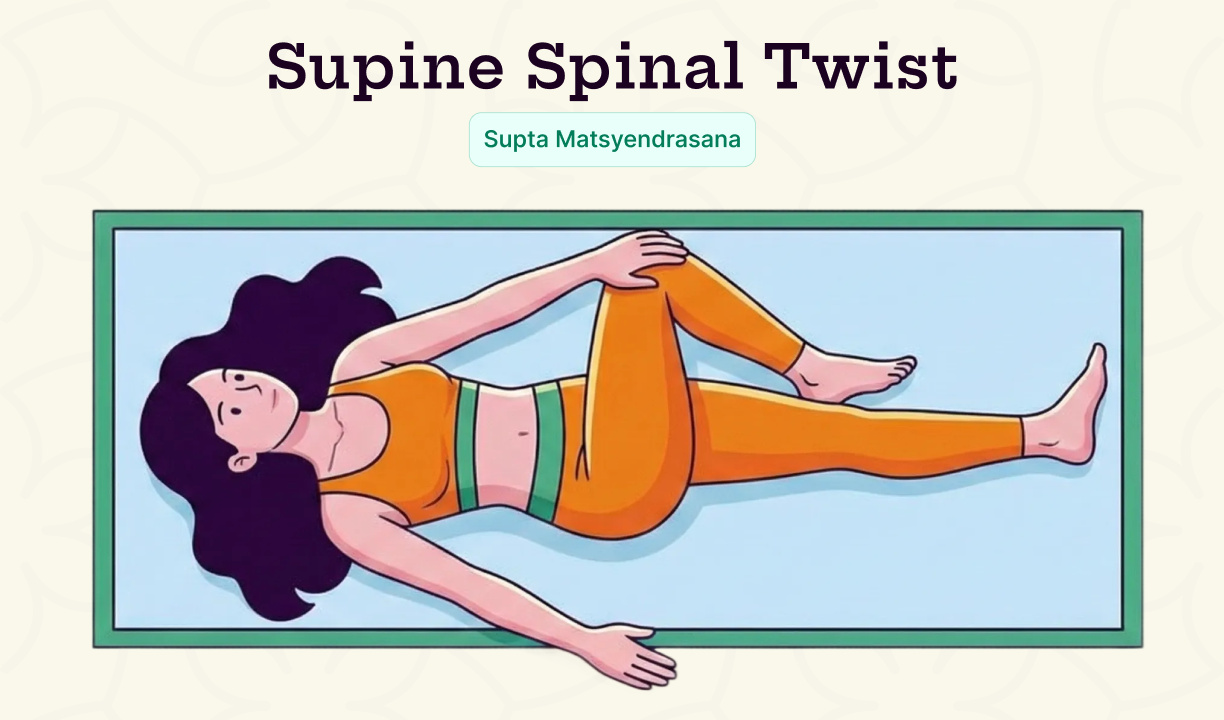
Supine Twist gently rotates the torso and may help ease abdominal and lower-back tension.
Keep the twist soft, especially when the abdomen already feels tender or distended.
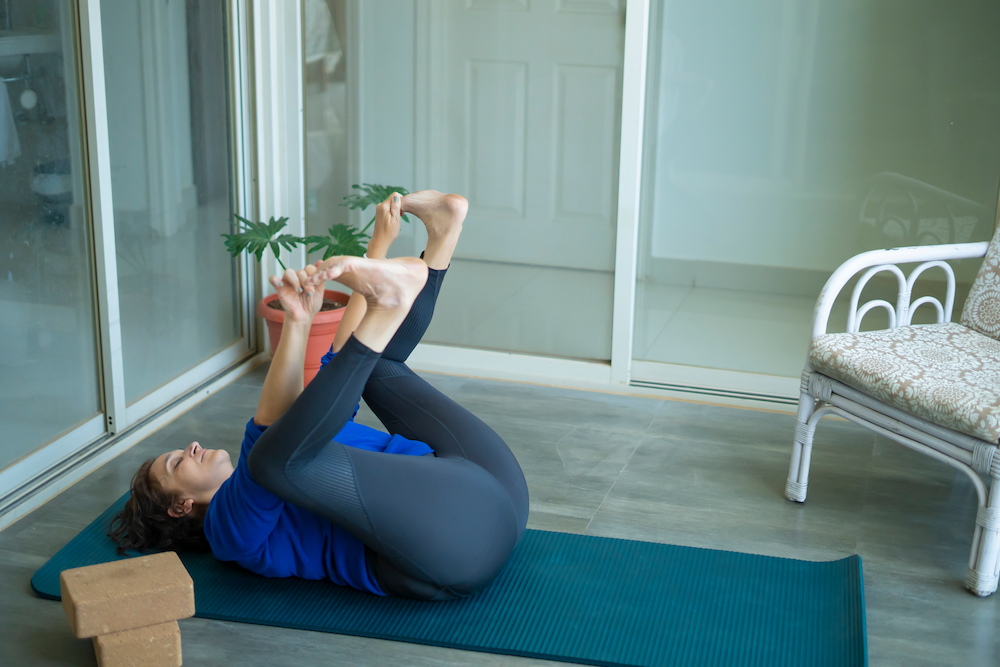
Happy Baby opens the hips and brings the thighs toward the abdomen without requiring a strong stretch.
The position may reduce tension around the pelvis and create gentle abdominal pressure.
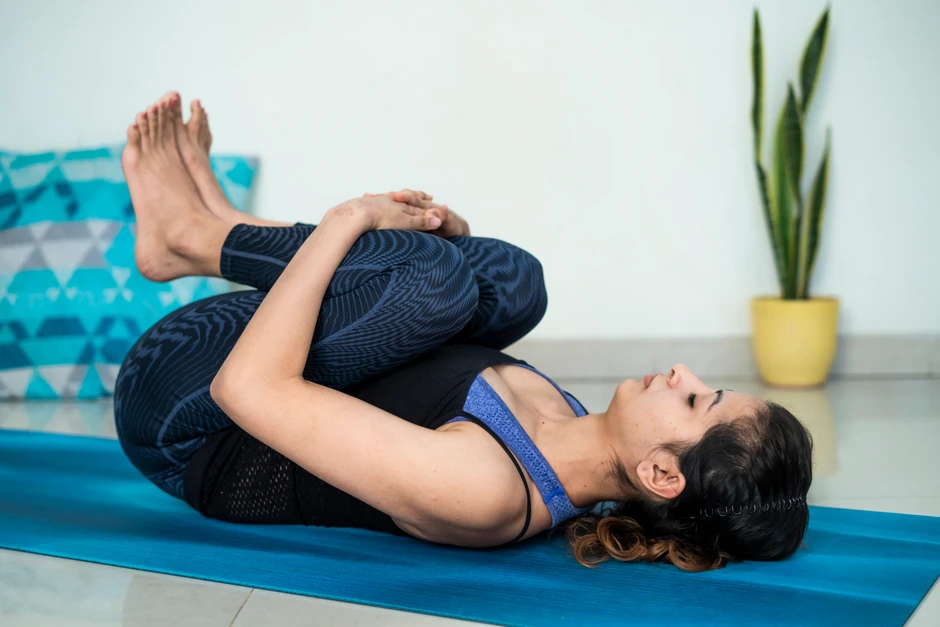
Apanasana is a simple yoga pose for bloating that can be practised whenever your stomach feels tight.
Unlike the single-leg variation of Pawanmuktasana, this pose keeps both knees close to the abdomen throughout.
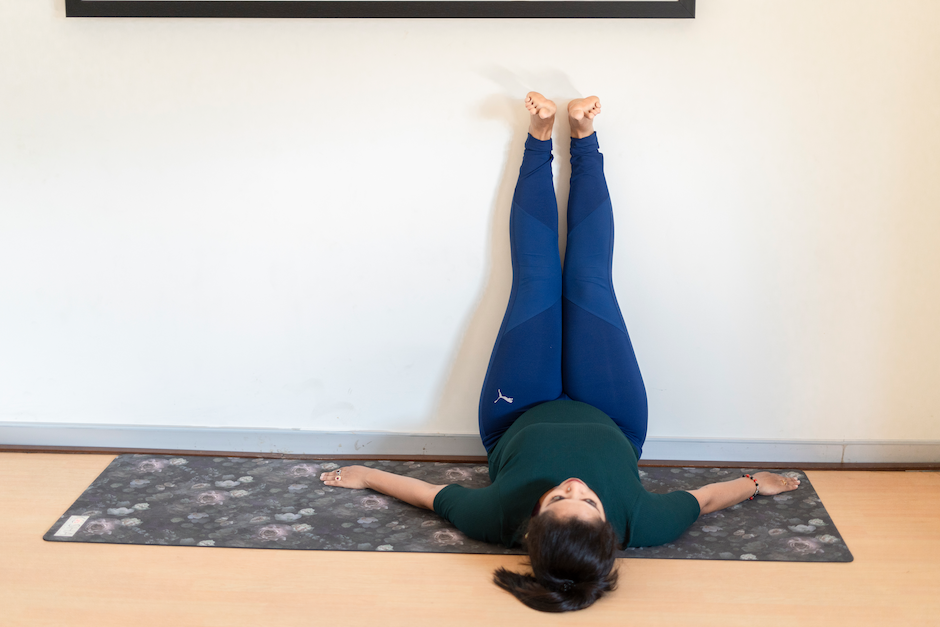
Legs-Up-the-Wall does not compress the abdomen directly, but it can help the whole body relax when stress is contributing to digestive discomfort.
This is a useful final pose after completing more active yoga stretches for bloating.
[inline-CTA-2]
The best time to practise yoga for bloating depends on when the discomfort appears and how your stomach feels.
Always avoid strong abdominal pressure if your stomach feels painful or highly sensitive.
Yoga can be a simple way to make mild bloating and gas feel more manageable, especially when discomfort is linked to tension, inactivity, or trapped gas. Gentle poses such as Wind-Relieving Pose, Cat-Cow, Supine Twist, and Knees-to-Chest can help you move the abdomen without adding unnecessary strain.
The key is to keep the practice comfortable and responsive to how your stomach feels that day. Use these poses for short-term relief and relaxation, but pay attention to recurring symptoms. If bloating is frequent, severe, or unexplained, it is worth looking beyond yoga and speaking with a healthcare professional about the underlying cause.

Yoga may provide temporary relief from mild bloating by encouraging gentle movement and helping the body relax. However, research specifically on yoga for bloating is limited, so it should not replace treatment for frequent or unexplained symptoms.
Wind-Relieving Pose (Pawanmuktasana) is a practical pose to try first. Drawing one or both knees toward the chest creates gentle abdominal pressure that may help trapped gas move more comfortably.
Yes, deep twists, strong forward folds, or poses that compress the stomach may increase discomfort, particularly soon after eating. Stop if a pose causes pain, nausea, reflux, or greater abdominal pressure.
You can practise this gentle sequence once a day or whenever mild bloating occurs. Begin with 5–10 minutes and choose only the poses that feel comfortable rather than forcing yourself to complete the full routine.
Wind-Relieving Pose may help ease mild gas by bringing the thighs toward the abdomen. It cannot resolve every cause of bloating, especially when symptoms are related to a food intolerance, constipation, IBS, or another digestive condition.




Receive personalized guidance tailored to your unique fitness goals, live with a dedicated coach—no credit card required.

%20(7).webp)
Discover how yoga improves gut health through the gut-brain connection. Learn 8 poses to balance microbiomes, reduce inflammation, and heal your digestive system.


Struggling with constipation? Discover 10 expert-recommended yoga poses to stimulate bowel movements, support digestion, and help you poop naturally.
Yoga helps alleviate symptoms of acid reflux and prevent onset by reducing stress and anxiety, activating your digestive system, and improving your posture.


© Copyright 2025 MyYogaTeacher Inc


