


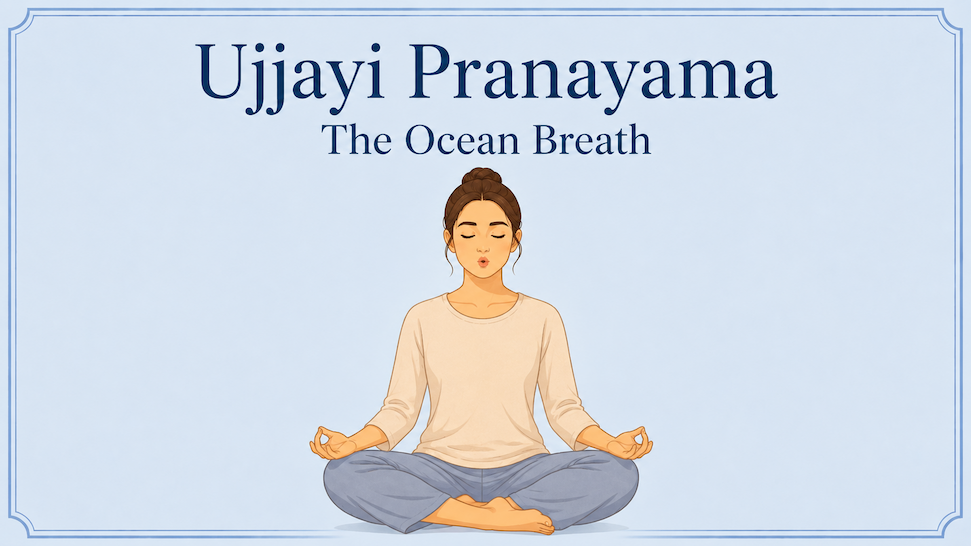
Ujjayi breathing is a yogic breathing technique in which you inhale and exhale through the nose while gently narrowing the back of the throat to create a soft, steady ocean-like sound. Also known as Ujjayi pranayama or Ocean Breath, this technique is commonly practiced both as a seated breathing exercise and as the breath used throughout Vinyasa and Ashtanga yoga.
What makes Ujjayi breathing unique is that it combines breath control, sound, and awareness in a single practice. The gentle whispering sound of the breath helps anchor the mind, making it easier to stay present and focused. In a yoga class, this can help synchronize movement with breath. In a seated practice, it can feel meditative, grounding, and quietly energizing.
The word Ujjayi is often translated as “victorious breath.” In yoga, that victory is not about force or control over others, but about gaining steadiness over the breath and, through it, the mind. It reflects the idea that when the breath becomes calm, smooth, and intentional, the mind begins to follow.
Ujjayi has roots in classical Hatha Yoga, where it is described as a pranayama technique for deepening awareness and regulating energy. In modern yoga, however, it is most commonly practiced without breath retention and is often woven into flowing styles like Vinyasa and Ashtanga. This blend of traditional roots and practical everyday use is part of what makes Ujjayi such a widely practiced breathing technique today.
[inline-CTA-1]

Ujjayi breathing is different from many other pranayama techniques because it combines breath control, sound, and concentration in one practice. That is part of what makes it so effective.
The slow, textured breath can support the body physically, sharpen mental focus, and create a deeper sense of steadiness during yoga and meditation.
While Ujjayi breathing can be a powerful supportive practice, it is best approached as a tool for overall well-being, not as a replacement for medical care.
For a full overview of pranayama benefits, see our Complete Guide to Pranayama here!
Ujjayi breathing can feel unfamiliar at first, but once you understand the gentle throat action, it becomes much easier to recognize. The key is to keep the breath soft and controlled, never forced.
Before you begin, find a quiet place where you can hear your breath clearly. You can practice seated on the floor, on a cushion, or in a chair with your spine upright.
Ujjayi can also be used during yoga practice, but it is best to first learn the technique in stillness.
Morning is often a good time to practice, though it can also be used before meditation or during a Vinyasa flow.
You may notice a gentle warmth in the throat and chest, a steadier rhythm in the breath, and a sense of calm alertness. The sound should be subtle and soothing, not loud or harsh.
If you feel dizzy or breathing feels strained, release the throat constriction and return to normal breathing. Ujjayi should feel smooth and sustainable, not effortful.
[GC]
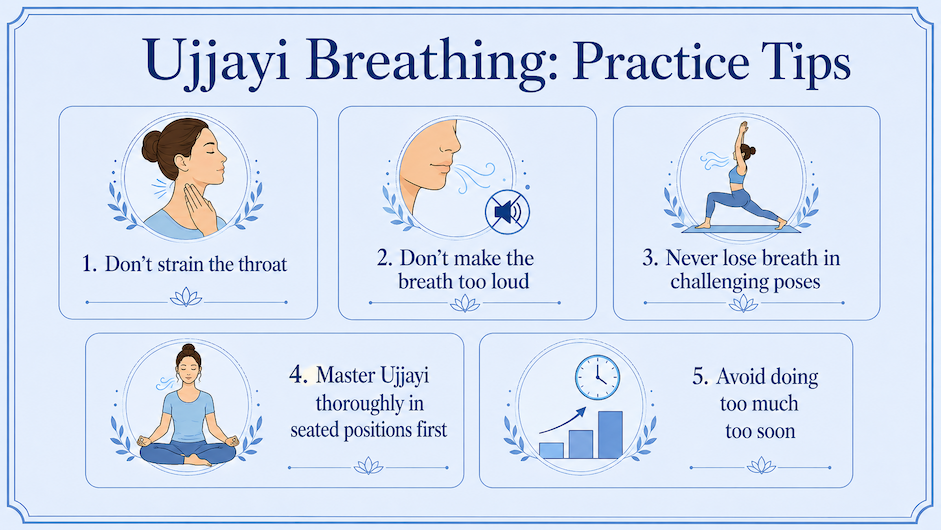
Ujjayi breathing should feel smooth, steady, and sustainable. If it feels harsh or effortful, the technique usually needs to be softened.
If you have any of these concerns, it is best to learn Ujjayi with a qualified yoga teacher and check with a healthcare professional when needed.
[inline-CTA-2]
One of the things that makes Ujjayi breathing unique is that it is used in two different ways: as a standalone pranayama practice and as a breath technique woven into movement-based yoga. This is part of what gives Ujjayi such a central place in many modern yoga classes.
Ujjayi is often practiced continuously throughout Vinyasa and Ashtanga sequences. The steady ocean-like sound helps keep the mind connected to the breath, even as the body moves through challenging poses. It also acts as a pacing tool. If the breath becomes ragged, strained, or hard to maintain, it is usually a sign to soften the effort rather than push harder.
Outside of asana practice, Ujjayi can be practiced on its own in a seated position for several minutes. In this setting, it tends to feel quieter and more meditative. The sound of the breath becomes an anchor for attention, helping ease the transition from physical movement into stillness. It can be especially useful before meditation or as a way to settle the mind after yoga practice.
Ujjayi breathing is a simple yet powerful pranayama technique that brings together breath, sound, and focus in one steady practice. Whether used on its own or during yoga movement, it can help calm mental noise, improve concentration, and create a more grounded, mindful rhythm in the body. With regular practice, Ujjayi becomes not just a breathing technique, but a way to move through yoga with greater awareness and control.

Ujjayi breathing is used both as a standalone pranayama practice and as the steady breath maintained throughout many Vinyasa and Ashtanga yoga classes. It helps support focus, regulate the pace of movement, and create a calmer, more intentional breathing rhythm.
Ujjayi breathing may help improve focus, reduce stress, support breath control, and create a sense of internal steadiness during yoga practice. It is also valued for the meditative quality it brings to both seated breathing and movement-based practice.
Diaphragmatic breathing focuses on breathing deeply into the belly and lower ribs using the diaphragm, and it is usually quiet and natural. Ujjayi breathing also stays deep and steady, but adds a gentle constriction at the back of the throat to create a soft ocean-like sound. In short, diaphragmatic breathing is about fuller breath movement, while Ujjayi adds sound, control, and focus to that breath.
In traditional yoga teachings, Ujjayi is sometimes associated with the throat region and is believed to support thyroid balance. However, this should be understood as a traditional yogic perspective, not a proven medical treatment or guarantee.
Beginners can start with 5–10 minutes of seated Ujjayi practice. Once the technique feels comfortable, it can also be maintained during parts of a yoga class. The breath should always feel smooth and sustainable, never forced.
Normal breathing is automatic and usually silent. Ujjayi breathing is intentional and adds a slight constriction at the back of the throat, creating a soft ocean-like sound and making the breath feel slower, steadier, and more controlled.




Receive personalized guidance tailored to your unique fitness goals, live with a dedicated coach—no credit card required.

.webp)
Bhastrika pranayama is yoga's most energizing breathing technique. Learn its benefits, the 3 types, a step-by-step practice guide, and who should avoid it.

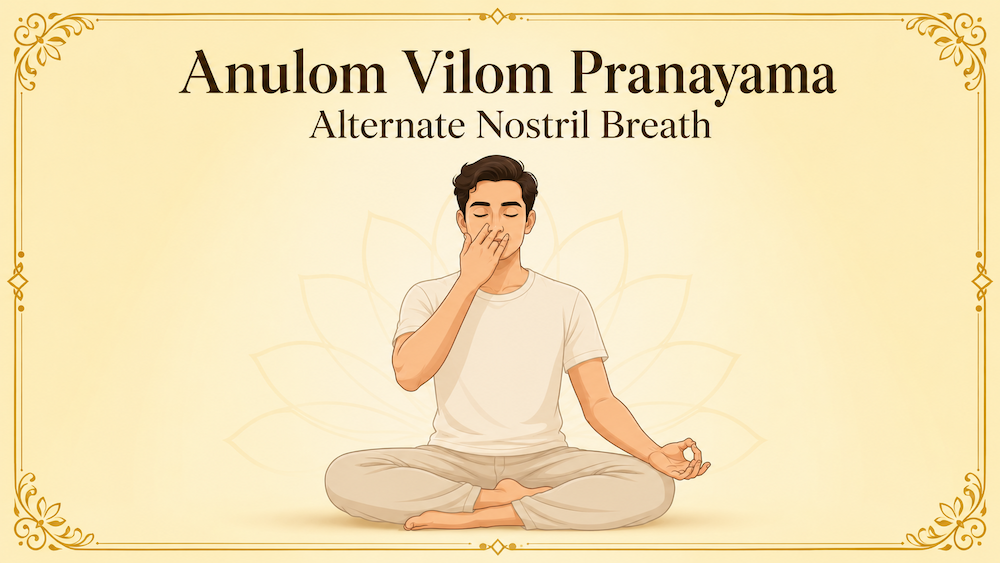
Anulom Vilom is yoga's most beginner-friendly breathing technique. Learn its benefits for stress, focus, and skin health with a clear step-by-step guide.
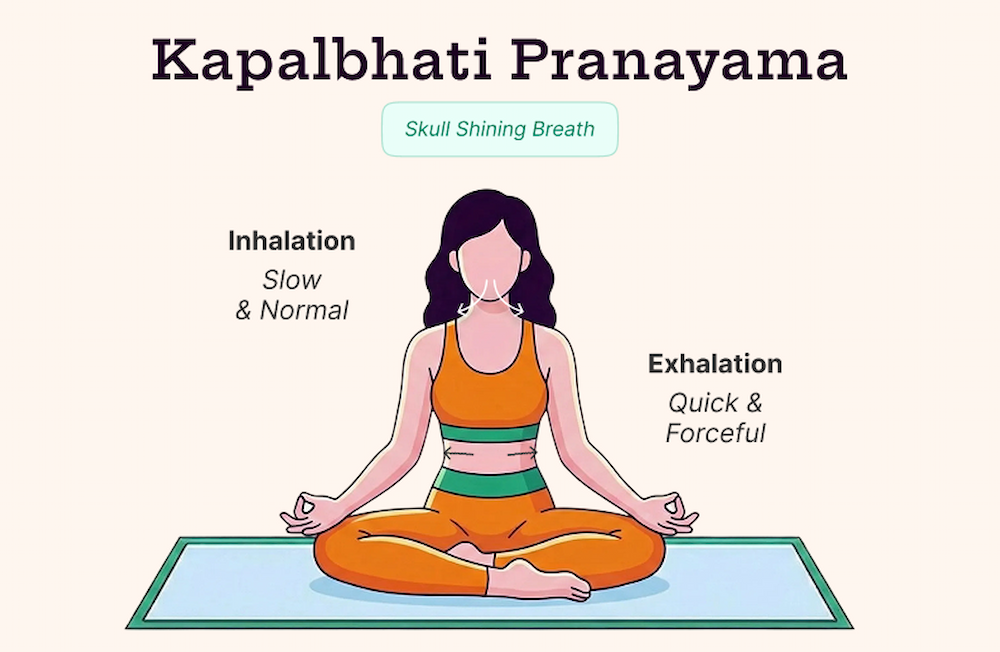
Kapalbhati is a powerful breathing technique for energy, digestion, and mental clarity. Learn its benefits, step-by-step method, and how long to practice daily.


© Copyright 2025 MyYogaTeacher Inc


