


%20(6).webp)
Do you always feel tired, even after getting a good night’s rest? Don’t worry; you’re not lazy, and you’re not doing anything wrong.
For most of us, fatigue isn’t about lack of sleep alone. Long workdays, mental overload, poor posture, and constant stress can drain your energy in ways that rest alone doesn’t fix. In fact, research shows that ongoing stress can leave your nervous system stuck in overdrive, making it harder to feel refreshed even when you’re trying to take care of yourself.
This is where yoga for fatigue can help. Gentle yoga uses simple movement and breath to wake up the body, improve circulation, and restore energy naturally. The right poses can help you feel more alert, focused, and steady without leaving you feeling drained.
In this guide, you’ll learn why fatigue feels so persistent, how yoga helps boost energy, and which poses work best when you’re feeling low on energy.
Feeling tired all the time doesn’t always mean you’re doing something wrong. In many cases, fatigue has less to do with sleep and more to do with how much stress your body and mind are carrying.
For many of us, fatigue often builds up quietly. Long hours at a desk, constant screen time, tight deadlines, and mental pressure can drain energy even if you’re getting enough rest at night.
Chronic stress keeps the nervous system in a “high alert” state. When this happens, your body spends more energy staying tense and focused, thus leaving you feeling worn out, foggy, or sluggish.
Other common contributors include:
It’s important to note that this type of fatigue is different from normal tiredness. It’s not always fixed by sleep or coffee, and pushing harder can sometimes make it worse.
That’s why gentle approaches like yoga for fatigue are so effective. Instead of demanding more effort, yoga helps your body release tension, improve circulation, and reset your energy naturally.
[inline-CTA-1]
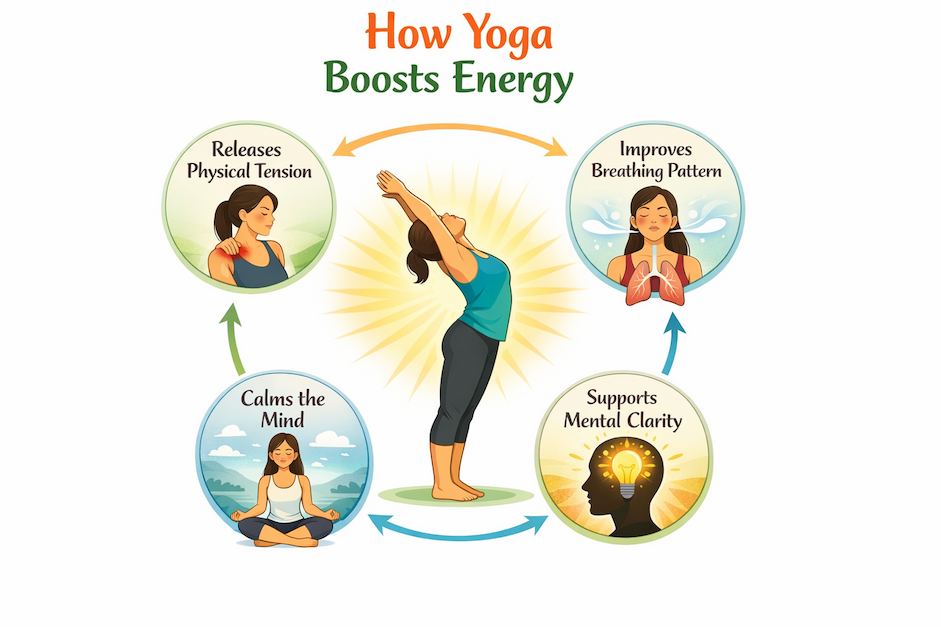
When you’re feeling exhausted, the last thing you want is a workout that leaves you even more drained. This is where yoga works differently.
Research shows that gentle movement combined with slow, steady breathing can improve circulation and regulate the nervous system, helping your body feel more awake without overstimulation.
Yoga supports energy in a few important ways:
This combination of movement and breath is especially effective for stress-related fatigue — one of the most common types of exhaustion in adults.
That’s why the goal of yoga for fatigue isn’t intensity. It is activation with awareness. The right poses help you feel lighter, clearer, and more energized — without needing to push or power through.
[GC]
The most effective poses for fatigue combine spinal movement, light muscle engagement, and steady breathing, which help improve circulation and mental clarity. The following poses are designed to wake up your body without overwhelming it. You don’t need a full workout or a yoga mat — just a few minutes and gentle movement.
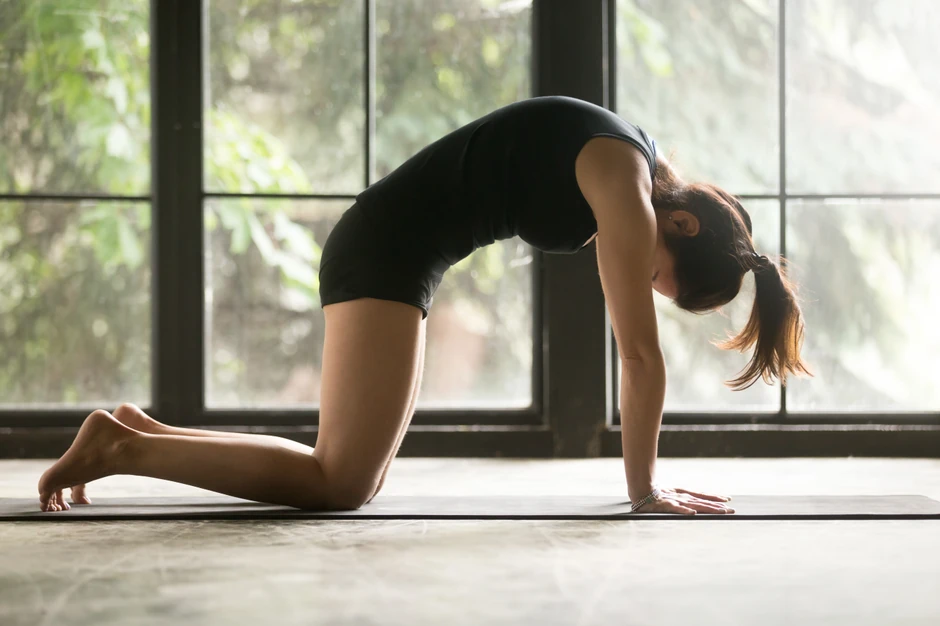
Cat–Cow increases spinal circulation and gently wakes up the nervous system — ideal when your body feels heavy or stiff.
Time: 1 minute
Best for: Morning sluggishness, stiff back, mental fog
Where: Chair, mat, or standing with hands on thighs
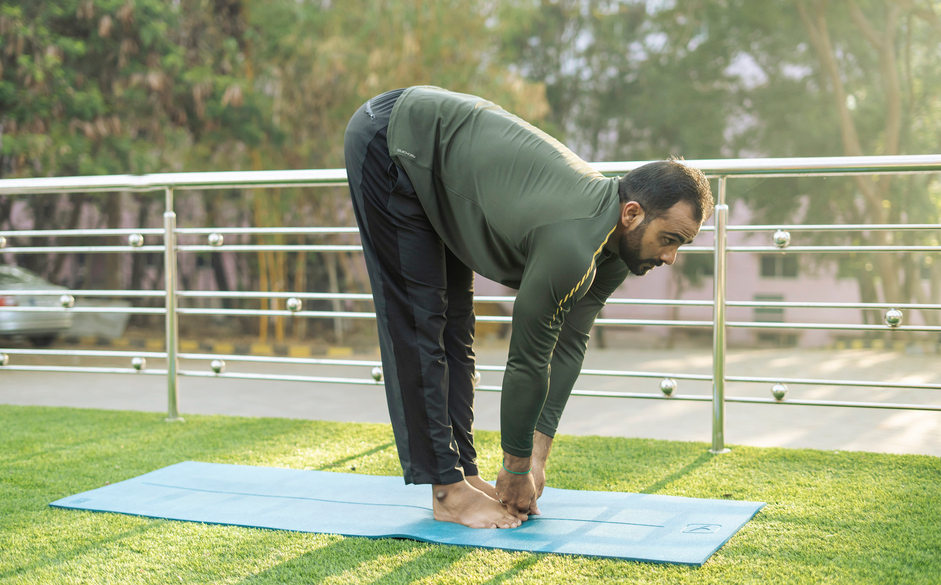
This movement improves blood flow and gently activates the muscles, helping you feel more alert without strain.
Time: 1 minute
Best for: Full-body reset, low afternoon energy
Where: Anywhere you can stand
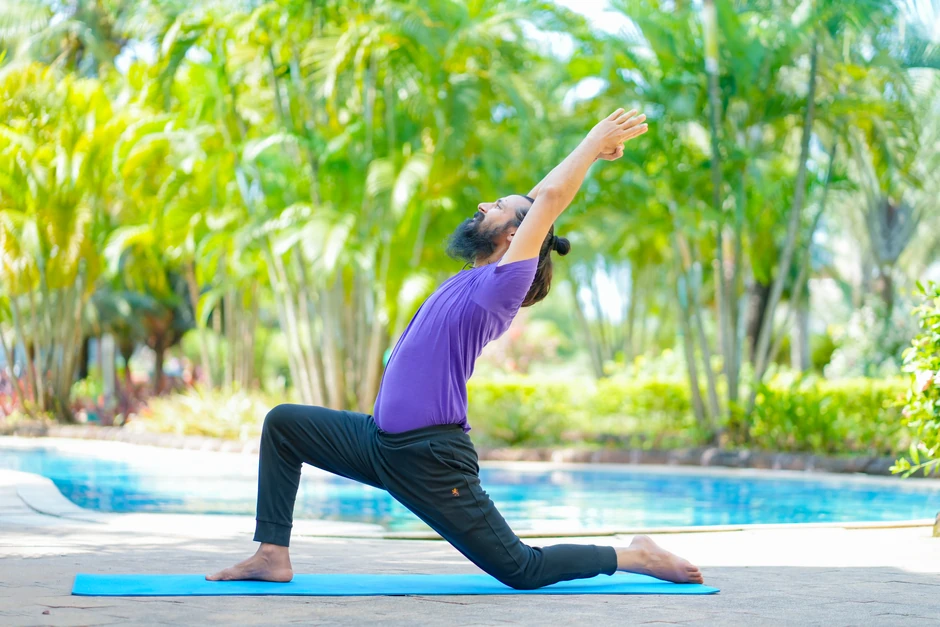
Stretching the hips counteracts long hours of sitting and helps restore energy flow through the body.
Time: 30 seconds each side
Best for: Energy dips from long sitting
Where: Floor or mat
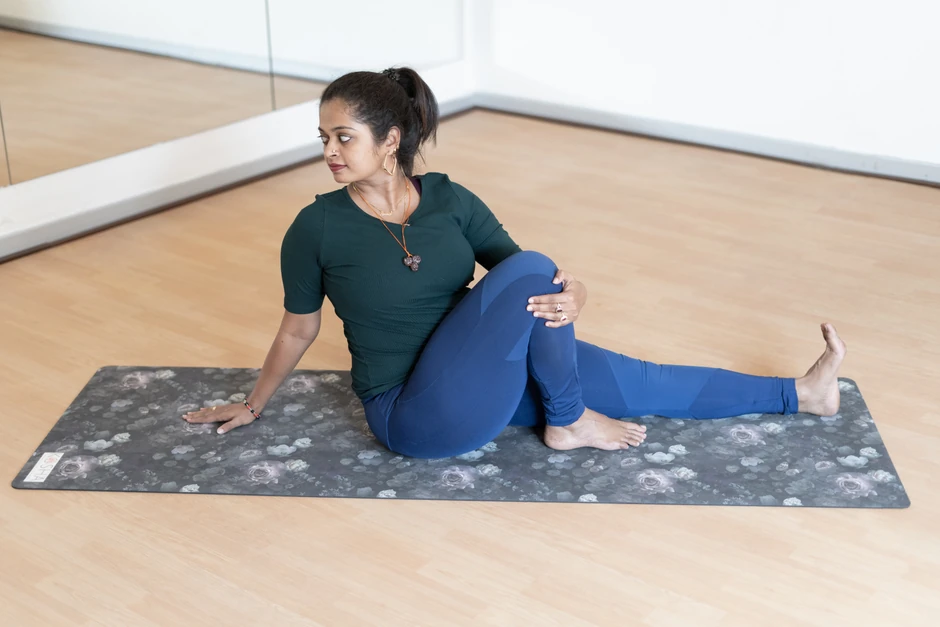
Twists refresh the spine and help reset focus — great when you feel mentally drained.
Time: 30 seconds each side
Best for: Mental fatigue, tension from screen time
Where: Chair or floor
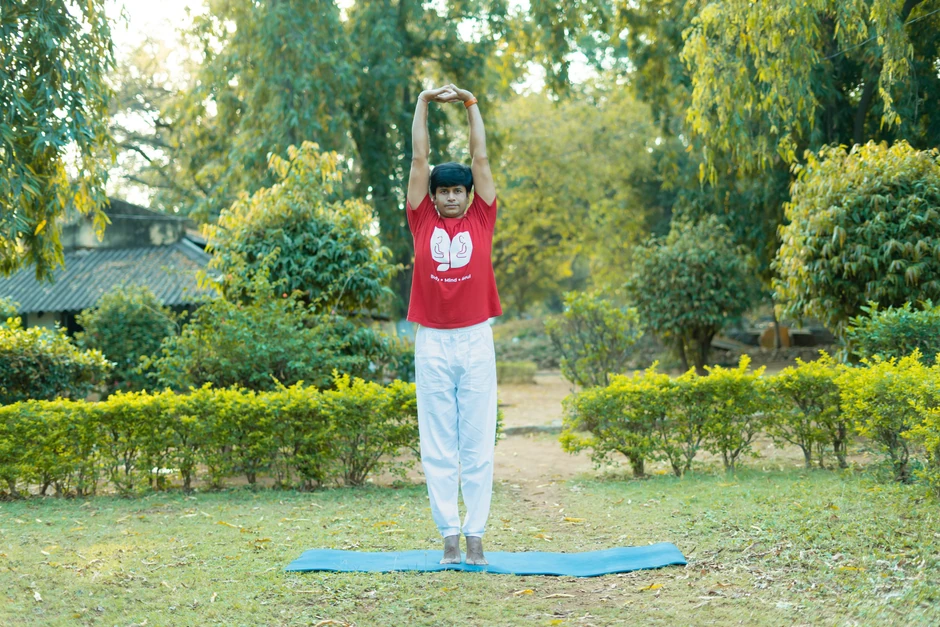
Simple arm movements improve circulation and posture, helping you feel more awake and present.
Time: 1 minute
Best for: Quick energy lift, posture reset
Where: Standing
[inline-CTA-2]
Fatigue doesn’t show up the same way for everyone — and it doesn’t always happen at the same time of day. The good news is that yoga for fatigue can be adapted to when and how your energy dips.
Yoga for fatigue works best when you match the practice to your energy level, not when you push through exhaustion.
When energy is low, it’s easy to think the answer is to push harder. But that approach often backfires. Here are a few common mistakes to avoid when you’re feeling exhausted:
Feeling tired all the time isn’t something you have to push through. Often, it’s a sign that your body needs gentle movement, better breathing, and less strain — not more effort.
Yoga for fatigue offers a simple, natural way to restore energy by releasing tension, improving circulation, and helping your nervous system reset. Even a few minutes can make a noticeable difference.
If you’d like personalized support, MyYogaTeacher’s certified Indian yoga instructors offer 1-on-1 online sessions tailored to your energy levels, schedule, and goals — whether you’re dealing with burnout, low energy, or ongoing fatigue.
Start small. Listen to your body. And let your yoga practice support you when you need it most.

Yes. Research shows that gentle yoga can help reduce stress-related fatigue by improving circulation, releasing muscle tension, and calming the nervous system. When fatigue is linked to stress or long hours of sitting, yoga can be especially effective.
Studies indicate that energy levels can improve within just a few minutes of gentle movement and breathing. Many people feel more alert after 5–10 minutes of yoga designed for fatigue.
For the most effective results, book a free 1-on-1 session today!
Yoga and caffeine work differently. Caffeine offers a temporary boost, while yoga helps restore energy more naturally by improving blood flow and reducing nervous system overload. Additionally, yoga won’t cause crashes or interfere with sleep later in the day.
The best yoga for fatigue is gentle, slow, and mindful, focusing on spinal movement, light stretching, and steady breathing. Intense or fast-paced yoga may worsen fatigue when energy is already low.
Absolutely. Yoga for fatigue is beginner-friendly and can be done without a mat, special clothes, or prior experience. Simple poses and breathing exercises are often the most effective.






Receive personalized guidance tailored to your unique fitness goals, live with a dedicated coach—no credit card required.


Discover 15 partner yoga poses perfect for beginners and couples. Step-by-step instructions, benefits, and expert tips for practicing 2-person yoga safely.

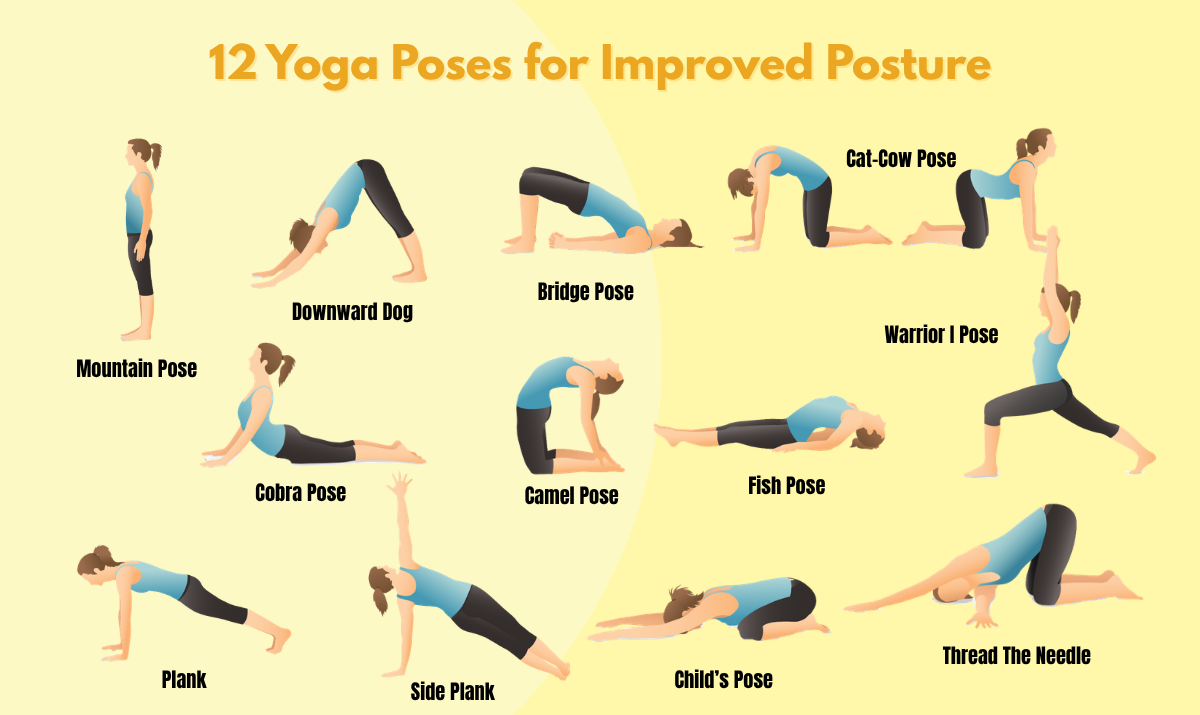
Discover how yoga improves posture with 12 expert-backed poses. Fix forward head, rounded shoulders & back pain. Find beginner modifications & routines.
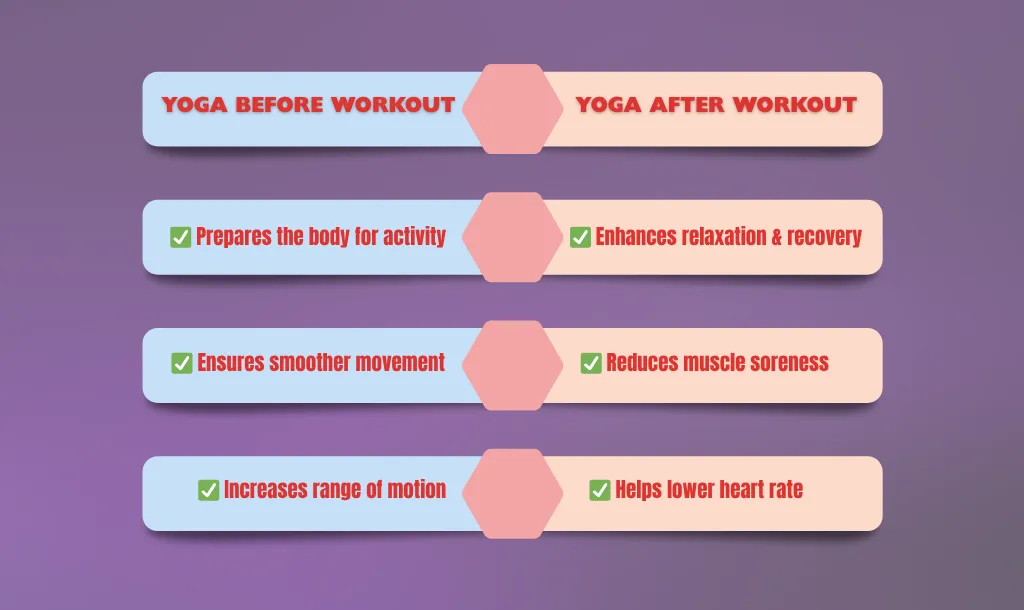
Should you do yoga before or after your workout? Discover the benefits of each approach and which timing works best for your specific fitness goals!


© Copyright 2025 MyYogaTeacher Inc


