


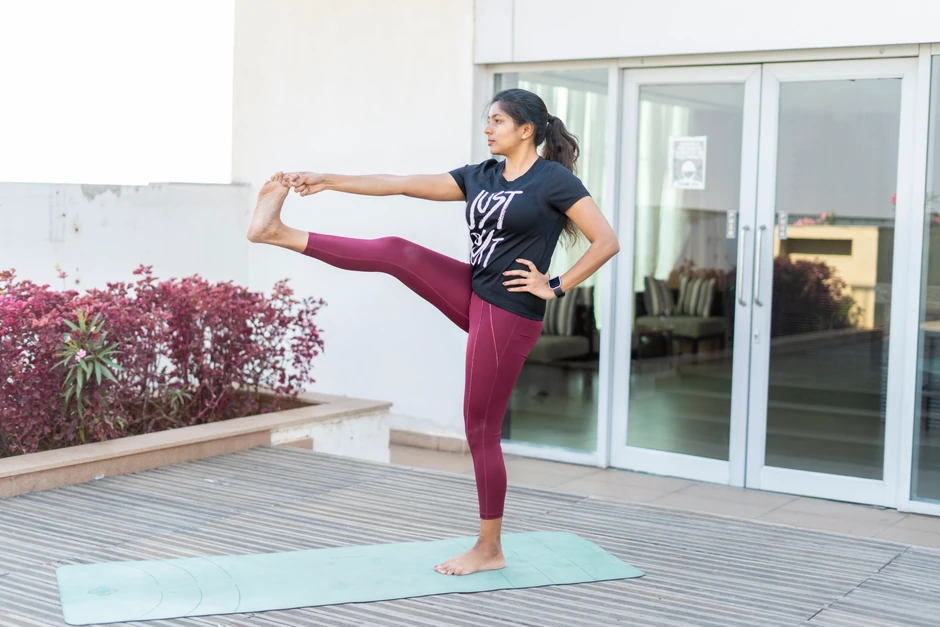
Tight hamstrings are not just a flexibility issue. They can affect the pelvis, add tension to the lower back, and make everyday movements like bending, walking, and climbing stairs feel more restricted. That is why yoga for tight hamstrings can be so effective. Besides stretching the back of the legs, it also improves alignment, reduces compensation patterns, and uses slow breathing with steady holds to help the muscles relax more fully.
A common mistake is forcing a forward bend or bouncing into a stretch. That usually creates more tension, not less. Yoga takes a different approach by focusing on slower holds, steady breath, and better positioning. This makes yoga for hamstrings helpful whether you are just starting out or already practice regularly and want a deeper, safer release.
Continue reading to learn more about tight hamstrings, which yoga poses can help release them, and how to practise them with better alignment and control.
Hamstring tightness is common, but it is not always caused by the same underlying issue. Identifying the source of the restriction can help you choose more effective stretches and avoid forcing range in ways that do not support long-term release.
1. Prolonged sitting: Research suggests that extended periods of sitting can affect the position of the hips and pelvis, often leaving the hamstrings feeling shortened and stiff. This is one reason many people notice tightness most clearly when they stand up, walk after long periods of inactivity, or attempt a forward fold.
2. Repetitive movement without full range: Activities such as running, cycling, and climbing stairs recruit the hamstrings regularly, but not always through their full range of motion. Over time, this can create muscles that are active and strong, yet still restricted at end range.
3. Neural tension: In some cases, neural tension, including sciatic irritation, can create a pulling sensation along the back of the leg that feels similar to a hamstring stretch. When that is the case, aggressive stretching may increase discomfort rather than relieve it.
Because hamstring tightness can come from different sources, the solution is not always to stretch harder. In many cases, a slower and more controlled approach is more effective because it helps the body release tension without creating more resistance.
[inline-CTA-1]
These poses work best in a gradual sequence. Start with reclined stretches to reduce tension and improve awareness, then move into standing and seated poses for deeper hamstring work. You can do them in order as a full practice or choose 2 to 4 poses based on how much time you have.

This is one of the most direct yoga poses for hamstrings because it isolates one leg at a time while keeping the pelvis stable. It lengthens the hamstring from the sit bone to the back of the knee without letting the lower back take over.
Common mistake: Pulling the leg aggressively toward your face.
Fix: Lift only to the point where the stretch feels steady and sustainable, then breathe there.
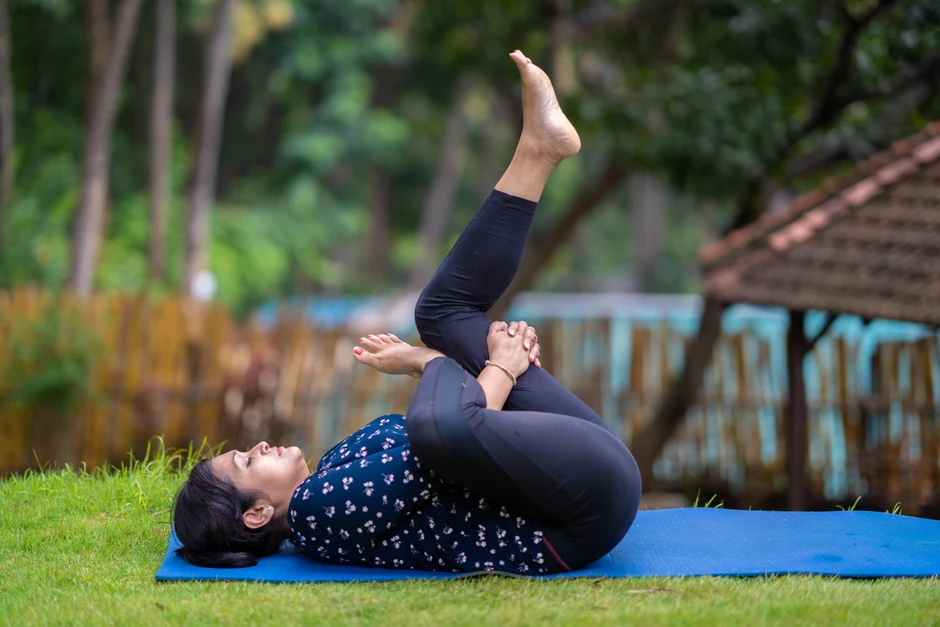
This pose targets the hamstring-glute connection near the sit bone, an area many forward folds do not reach well. It stretches the upper hamstring and outer hip together, which makes it especially useful for people looking for yoga for glutes and hamstrings.
Common mistake: Letting the lower back arch off the floor.
Fix: Keep the spine grounded and let the stretch come from the hip.
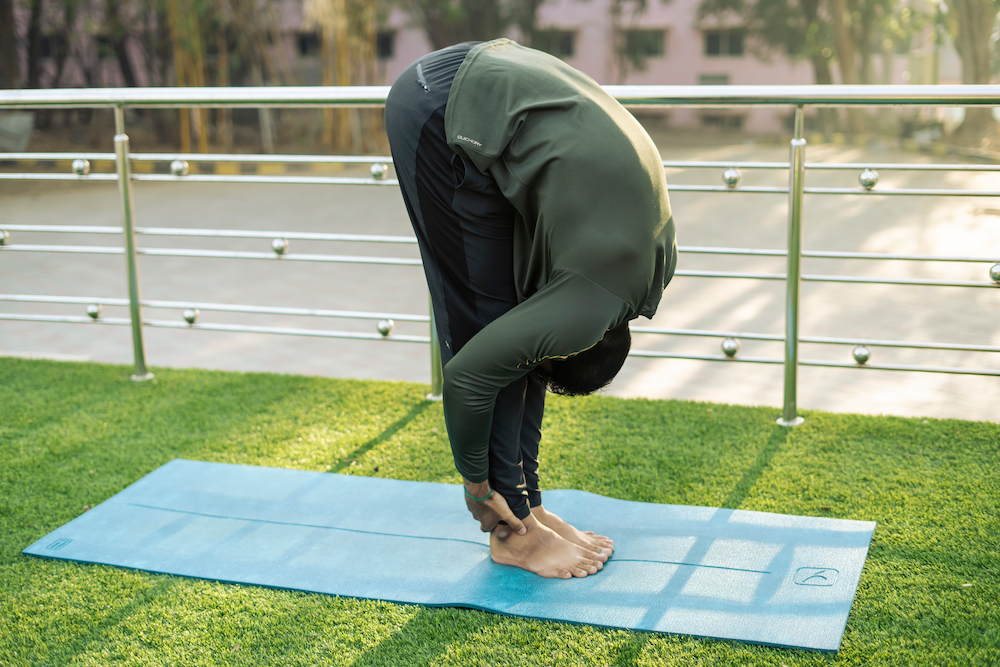
This classic pose stretches both hamstrings at once while also helping release the spine. Gravity assists the stretch, and the pose lengthens the whole back body from heels to hips.
Common mistake: Locking the legs straight right away.
Fix: Begin with bent knees and straighten progressively as the hamstrings release.
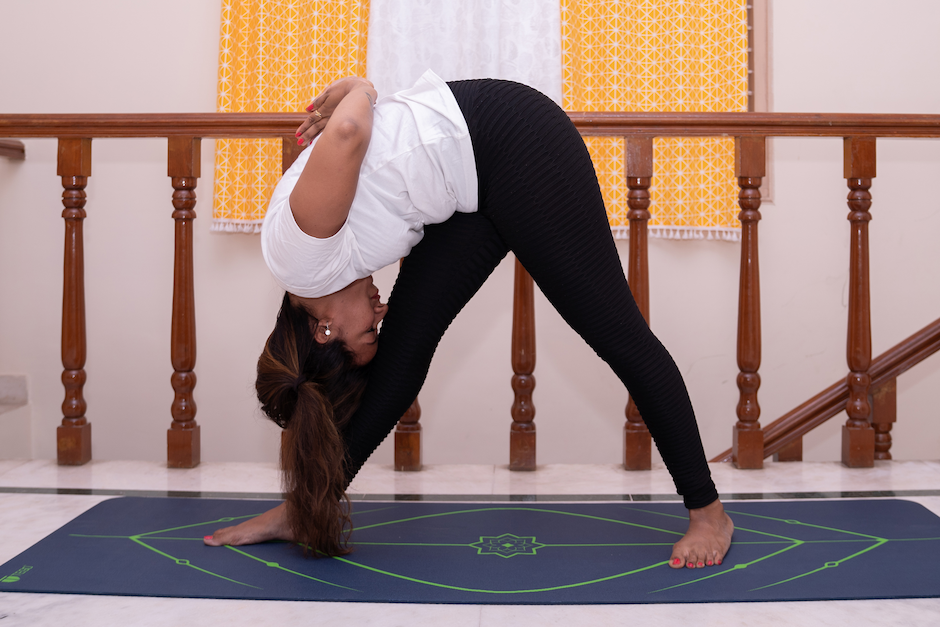
This is one of the most precise standing yoga stretches for tight hamstrings because it isolates one leg at a time. It creates an intense stretch through the front-leg hamstring while also opening the hips and calves.
Common mistake: Letting the front hip turn outward
Fix: Draw the outer hip of the front leg back and keep both hips facing forward.
_optimized.webp)
This pose stretches the hamstrings through a slightly different angle while also opening the side body and outer hip. It lengthens the hamstring in a lateral plane, which adds a different kind of stretch than forward folds.
Common mistake: Dumping weight into the lower hand.
Fix: Use the core and top arm to keep the chest lifted and open.
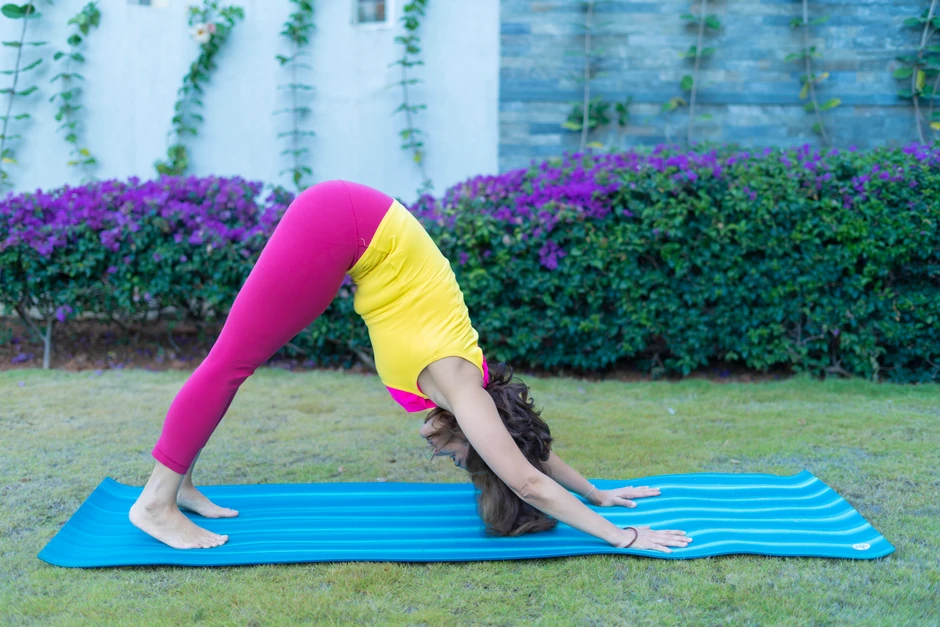
This pose stretches the hamstrings and calves together while building strength and length through the whole back body. It combines spinal length, calf release, and hamstring stretching in a weight-bearing position.
Common mistake: Forcing the heels down and rounding the back.
Fix: Bend the knees and focus on spinal length first.
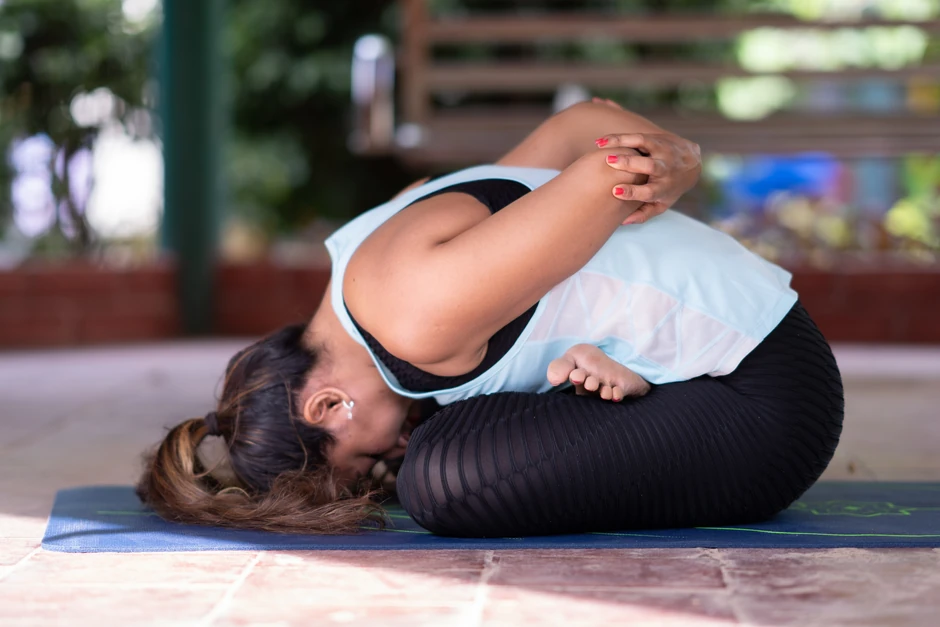
This is the classical yoga stretch for hamstrings and one of the best long-hold poses for the entire back body. It stretches both hamstrings together and can help release the entire posterior chain when held steadily.
Common mistake: Reaching for the feet by collapsing the spine.
Fix: Stay higher with a long back and let the fold come gradually from the hips.
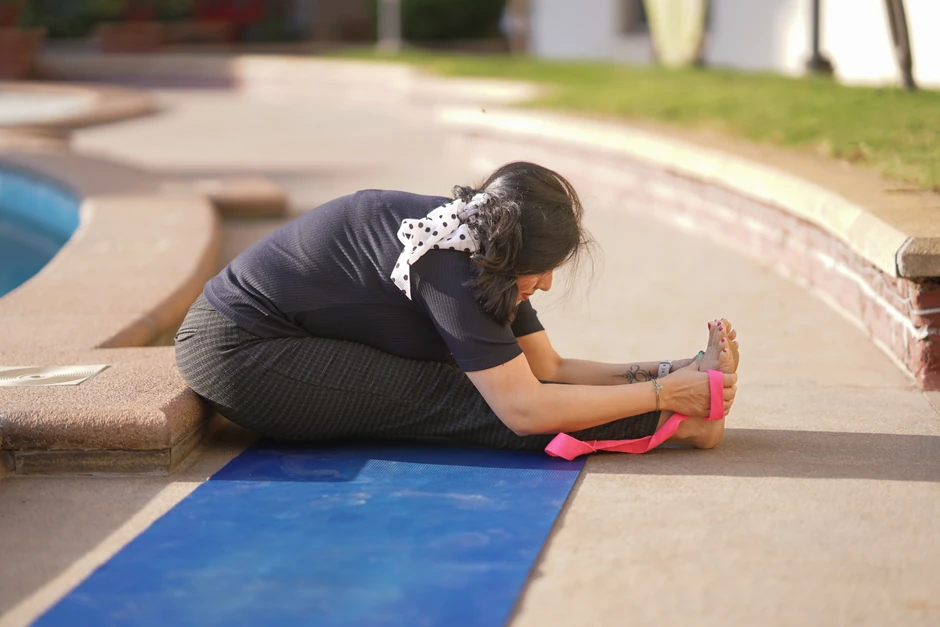
This single-leg seated pose is helpful when one hamstring is tighter than the other. It isolates one hamstring while also opening the inner thigh and groin of the bent leg.
Common mistake: Folding straight down the center
Fix: Rotate toward the extended leg first, then fold.
[GC]
A good hamstring routine does not need to be long to be effective. What matters most is choosing the right poses, holding them long enough, and practising consistently. You can keep it short for daily maintenance or do a longer sequence when you want a deeper release.
Measure progress by how you feel: The goal is not just to touch your toes. Notice whether your lower back feels lighter, your legs feel less stiff, and your movement feels easier during the day. That is often a better sign of progress than flexibility alone.

Most people notice improvement within 4 to 6 weeks of regular practice. How quickly you see results depends on how tight your hamstrings are to begin with and how consistently you practice.
Yoga can create lasting flexibility, but only if you keep practicing. If you stop stretching completely, the tightness often returns over time. A few poses done regularly usually work better than long sessions done occasionally.
A mild pulling sensation is normal, but sharp pain is not. If you feel pain behind the knee, shooting pain down the leg, or anything that feels more like nerve pain than muscle stretch, stop and get guidance before continuing.
Book you free 1-on-1 session today!
Yoga stretches focus on alignment, breath, and hold time. Instead of forcing a quick stretch, yoga helps you lengthen the hamstrings gradually while keeping the lower back and pelvis in a better position.
Reclined Figure-Four is one of the best options because it targets the glutes and the upper hamstring together. Pyramid Pose and Triangle Pose can also stretch the glutes and outer hips while working the hamstrings.




Receive personalized guidance tailored to your unique fitness goals, live with a dedicated coach—no credit card required.

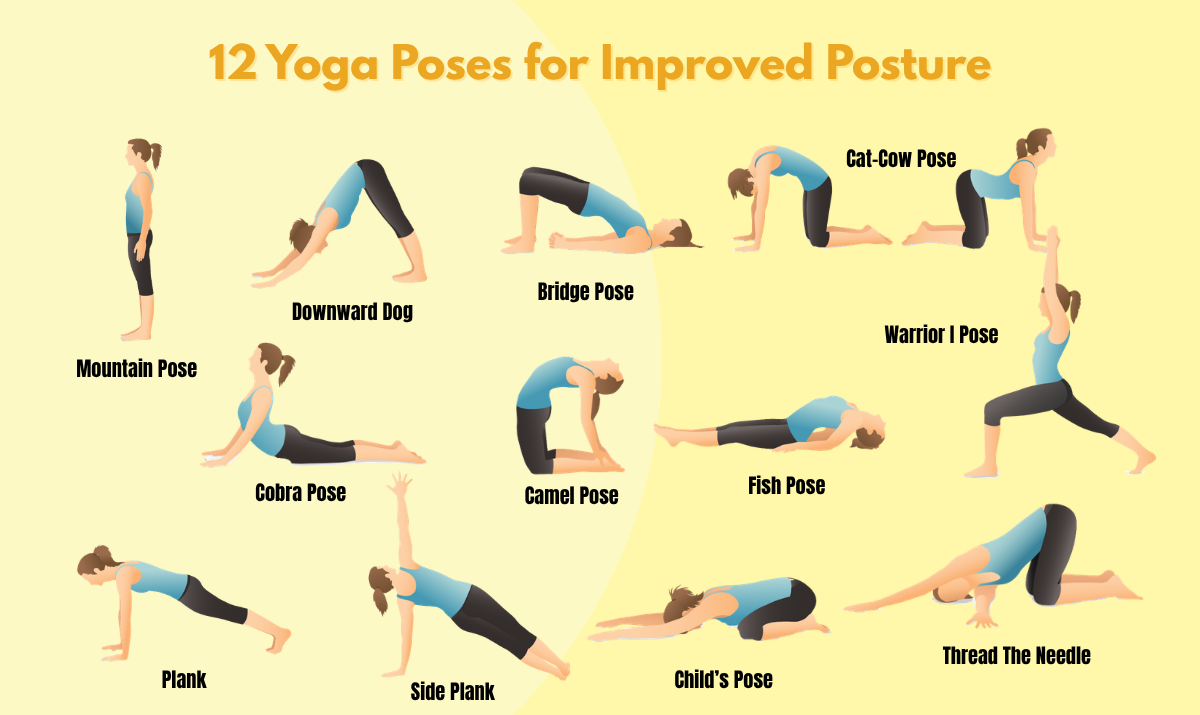
Discover how yoga improves posture with 12 expert-backed poses. Fix forward head, rounded shoulders & back pain. Find beginner modifications & routines.

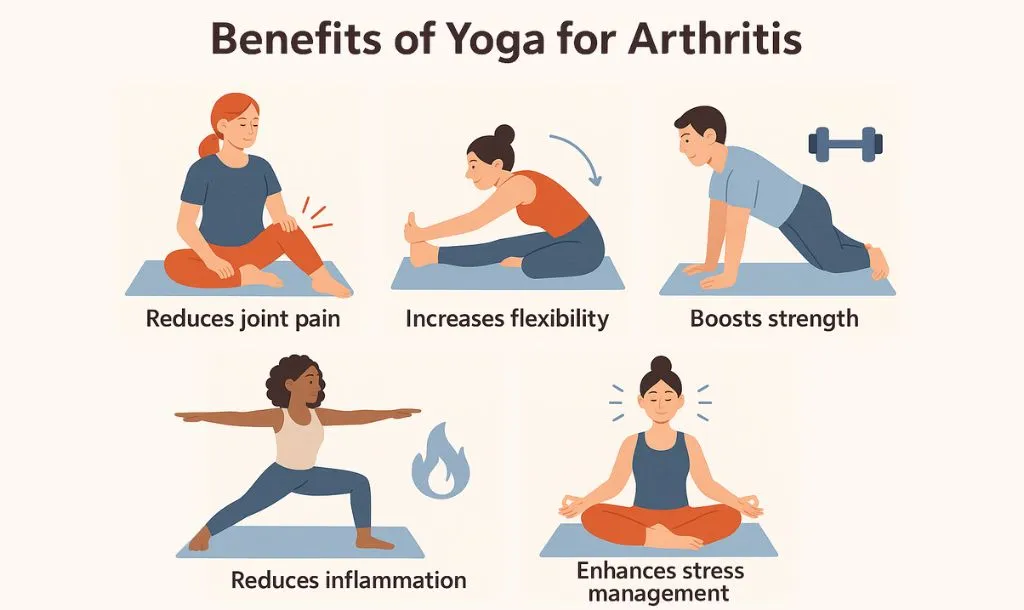
Yes, yoga is good for arthritis! Discover research-backed benefits, safety tips, and gentle poses. Expert guidance for arthritis-friendly practice.
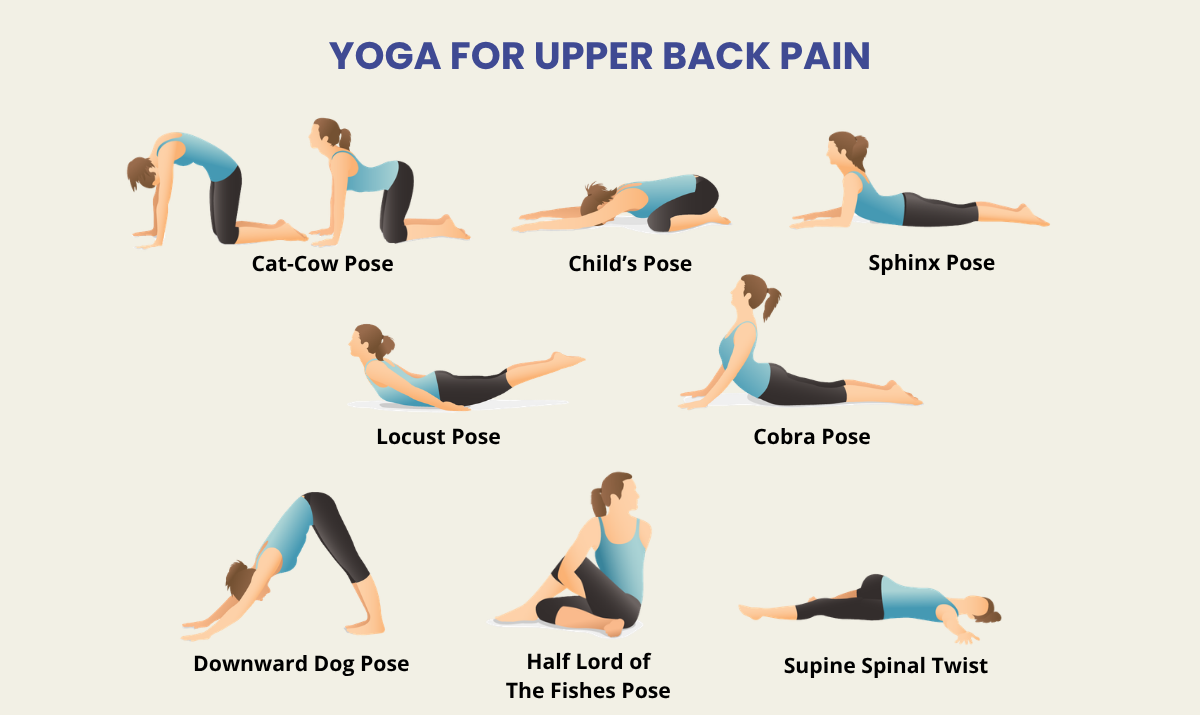
Eight upper-back stretches and exercises for pain between the shoulder blades — with modifications, safety notes, and a 10-minute daily routine.


© Copyright 2025 MyYogaTeacher Inc


